


The Taj Mahal is one of the most famous monuments in the world. For students who want to learn quickly, here’s a 3-minute guide to the history, architecture, and fascinating facts about this incredible landmark.
1. Built from Love
The Taj Mahal was built by Shah Jahan, the Mughal emperor, in memory of his wife Mumtaz Mahal, who died in 1631. It’s not just a building—it’s a symbol of love that has inspired millions of people around the world. This story shows that architecture can tell powerful human stories.
2. A Masterpiece of Architecture
The Taj Mahal is an example of Mughal architecture, blending Indian, Persian, and Islamic styles. Here are the key features students should know:
-
Perfect Symmetry: The towers, arches, and gardens are mirrored on all sides.
-
White Marble: The marble changes color with the sunlight—from pink in the morning, bright white during the day, to golden under the moonlight.
-
Intricate Inlay Work: Thousands of precious stones form beautiful patterns on the walls.
These features show how math, art, and engineering come together to create timeless beauty.
3. Fun Facts Students Will Love
-
Leaning Minarets: The four minarets tilt slightly outward to protect the main building during earthquakes.
-
Construction Team: Over 20,000 workers, including architects, stonecutters, painters, and calligraphers, worked for more than 20 years to complete it.
-
UNESCO World Heritage Site: The Taj Mahal was declared a World Heritage Site in 1983, highlighting its cultural and historical importance.
These fun facts make the Taj Mahal exciting and relatable for students of all ages.
4. Learning From History
The Taj Mahal is more than just a beautiful monument. Students can learn:
-
History: About Shah Jahan, Mumtaz Mahal, and the Mughal Empire.
-
Art and Design: About symmetry, patterns, and creative craftsmanship.
-
Engineering: About construction techniques that have lasted for centuries.
-
Cultural Heritage: About the importance of preserving history for future generations.
Visiting the Taj Mahal brings these lessons to life, allowing students to experience history firsthand rather than just reading about it.
5. Make It Real: Visiting the Taj Mahal
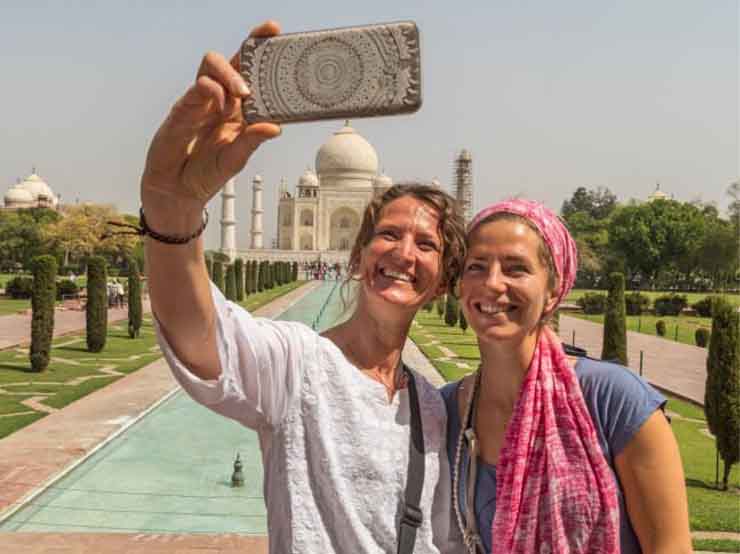
A trip to the Taj Mahal is an unforgettable learning experience. Students and families can walk through its gardens, see the color-changing marble, and admire the intricate details that make this monument unique.
Planning your visit is simple. You can book tickets easily at https://ticketstajmahal.com to see this architectural wonder and learn its story in person.
The Taj Mahal proves that history, art, and love can come together in one incredible place. With this 3-minute guide, students can quickly understand why it continues to inspire millions around the world.





Comment (0)