


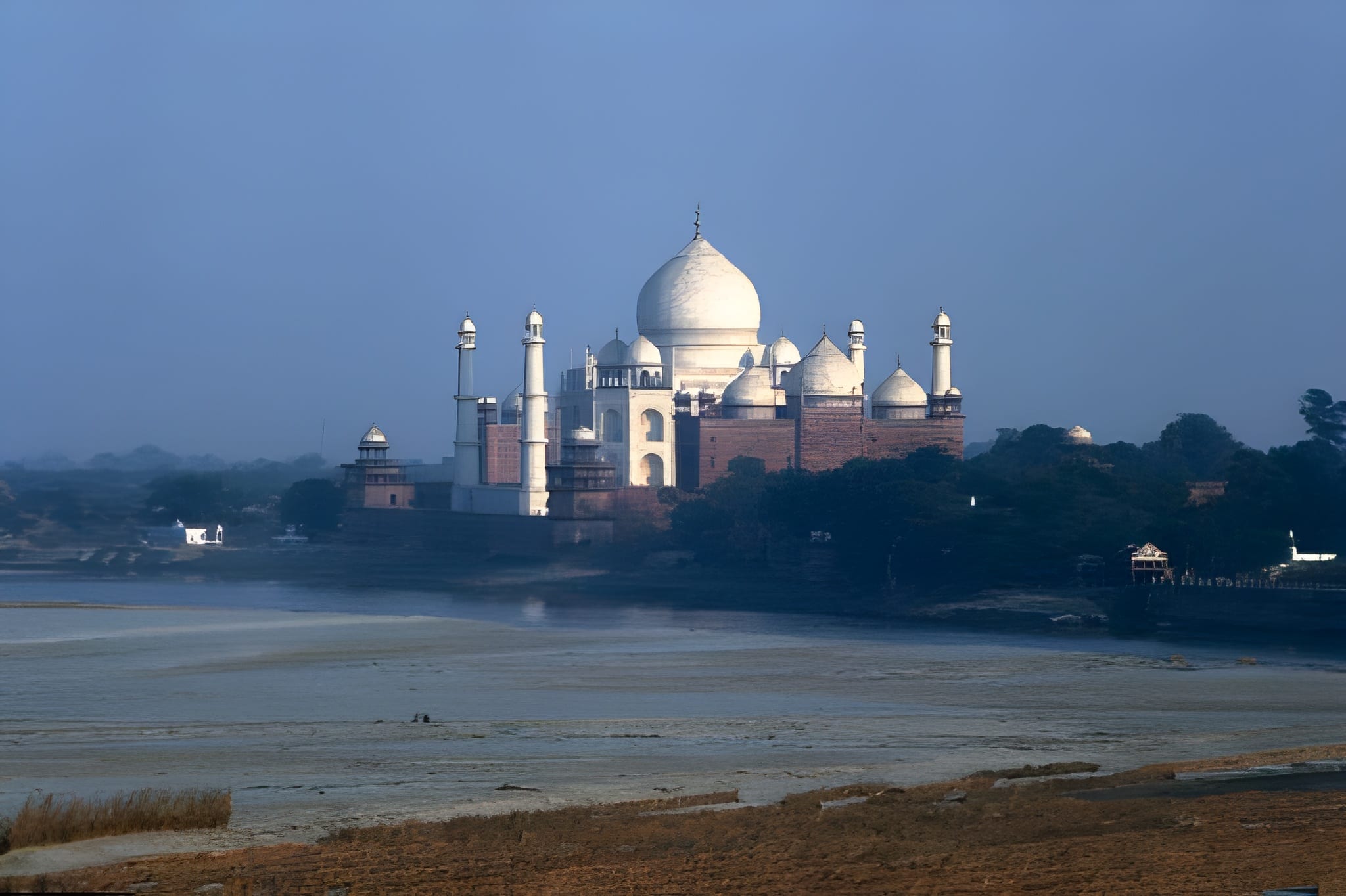
The Taj Mahal is one of the world’s most admired landmarks — a timeless symbol of love and a masterpiece of Mughal architecture. Located in Agra, India, it attracts millions of visitors each year. Preserving such a delicate and historic structure requires strict protection and careful management.
Protecting a Global Heritage
Built in the 17th century by Emperor Shah Jahan in memory of his wife Mumtaz Mahal, the Taj Mahal faces modern challenges. Pollution, over-visitation, and natural aging threaten its marble beauty. To safeguard it, the Archaeological Survey of India (ASI) oversees regular conservation work and maintenance.
The monument’s marble surfaces are cleaned using Multani Mitti (Fuller’s Earth), a natural clay that removes grime without damaging the stone. Surrounding industries and traffic are tightly controlled under the Taj Trapezium Zone (TTZ), a 10,400 sq. km protected area that restricts polluting activities and promotes cleaner fuels.
Managing Visitors
Tourism is vital to Agra’s economy but can stress the monument. More than seven million people visit the Taj Mahal every year. To manage crowds, authorities have introduced a timed ticket system and limit the duration of visits. This helps reduce wear on the structure while keeping the visitor experience comfortable.
Certain areas are restricted to protect fragile surfaces. Designated pathways and protective flooring help control foot traffic. The site remains closed on Fridays for maintenance and security checks. Modern surveillance and screening systems ensure both safety and preservation.
Night viewing is allowed on select dates and for limited groups. This policy helps maintain the calm environment while offering visitors a magical experience under the moonlight.
Sustainable Preservation
Long-term protection depends on sustainable tourism and continuous monitoring. Environmental experts track air quality, humidity, and river levels near the site. Conservation specialists regularly inspect the foundation and stonework to detect early signs of damage.
All restoration work follows traditional Mughal techniques and uses authentic materials. Authorities also promote eco-friendly transportation, including battery-operated buses and electric rickshaws. These steps reduce emissions and keep the air around the Taj Mahal cleaner.
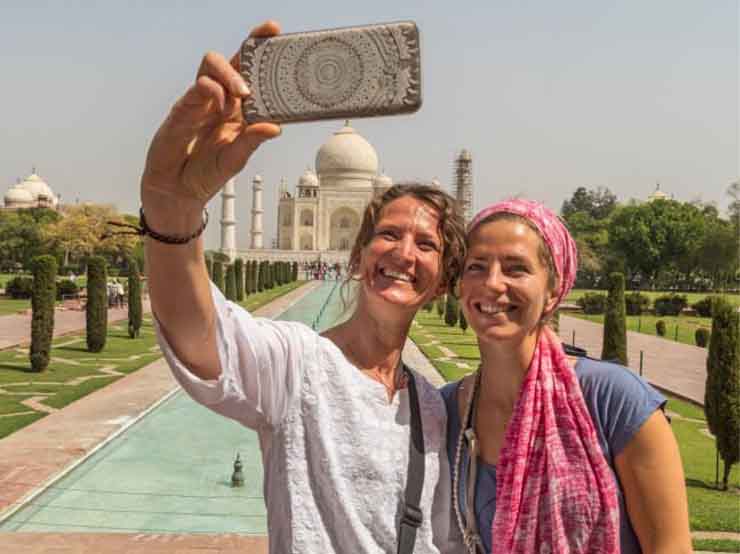
Visitors play a crucial role too. Simple actions — avoiding littering, not touching marble surfaces, and following site rules — help maintain the monument’s charm. Awareness programs encourage responsible behavior and respect for cultural heritage.
Visit the Taj Mahal Responsibly
A visit to the Taj Mahal is more than sightseeing. It is a chance to experience history, art, and devotion in one remarkable place. Protecting it for future generations depends on how we visit today.
Plan your trip responsibly and enjoy a seamless experience by booking your tickets online. Visit Ticketstajmahal.com for official and secure bookings. Online booking lets you skip queues and helps support ongoing preservation efforts.
Every visitor contributes to the Taj Mahal’s story. By respecting its protection and management rules, you help ensure that this symbol of love continues to shine for centuries to come.





Comment (0)