


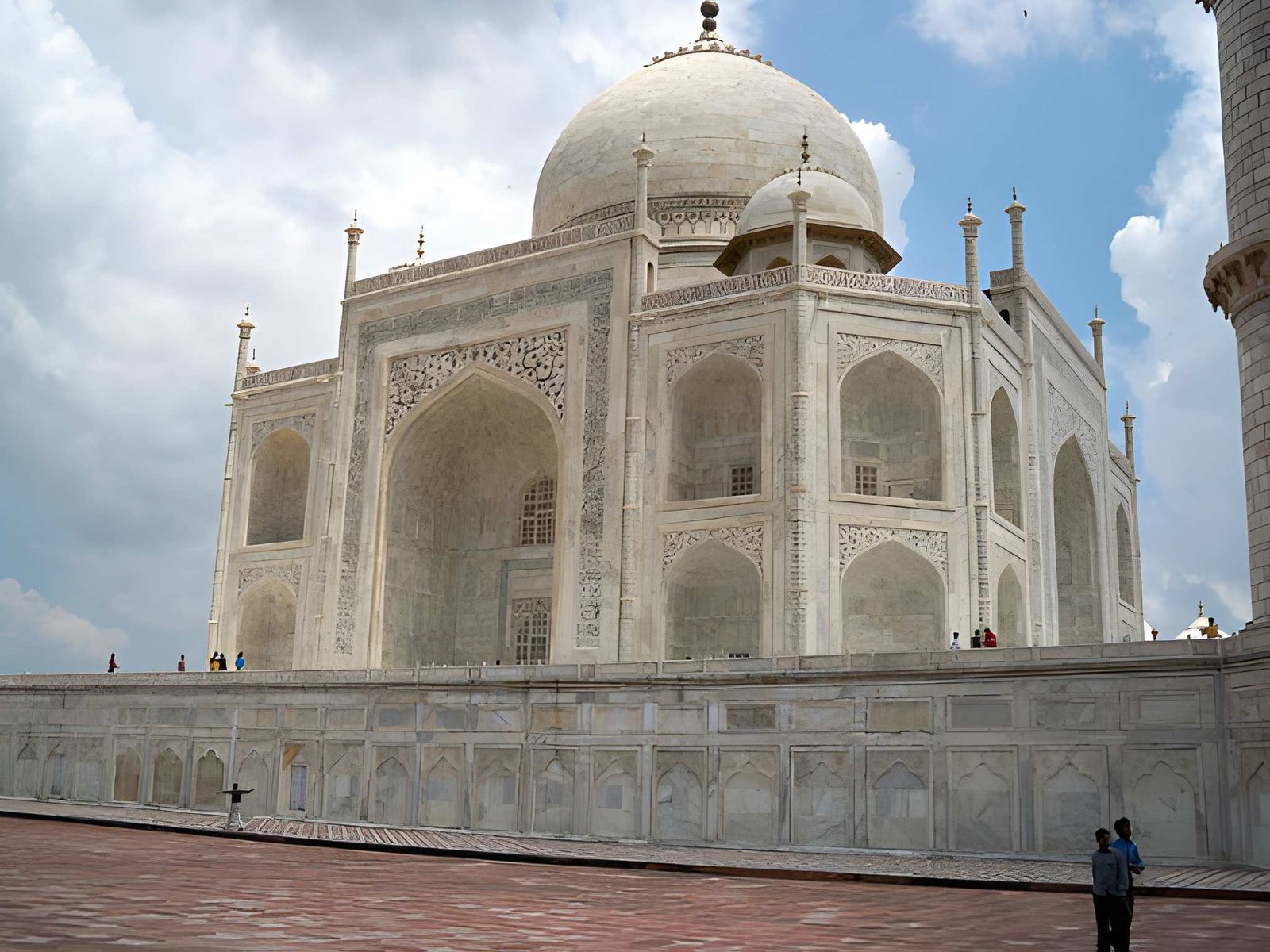
Few monuments in the world inspire as much awe and debate as the Taj Mahal. Rising in white marble elegance along the Yamuna River, it is often described as the ultimate symbol of love—but is that the full story? To truly understand the Taj Mahal, we need to explore three powerful themes: love, power, and legacy.
A Monument to Eternal Love
The most popular story behind the Taj Mahal centers on the Mughal emperor Shah Jahan and his beloved wife Mumtaz Mahal. After her death in 1631, the emperor was said to be heartbroken. In her memory, he commissioned the Taj Mahal as a grand mausoleum.
The structure’s symmetry, delicate carvings, and serene gardens all contribute to its romantic aura. For many visitors, it represents undying devotion—a place where love transcends mortality. This emotional narrative is what draws millions from around the world.
A Display of Imperial Power
While love may have inspired it, the Taj Mahal also reflects the immense power of the Mughal Empire. Constructed over two decades with thousands of artisans and vast resources, it stands as a testament to the wealth and authority of Shah Jahan’s reign.
The scale alone sends a clear message: this was an empire capable of extraordinary achievements. From its intricate inlay work to its perfectly planned layout, the Taj Mahal showcases not just artistic brilliance, but also the political strength and ambition behind its creation.
A Lasting Legacy
Beyond love and power, the Taj Mahal is ultimately a symbol of legacy. Centuries later, it continues to captivate historians, architects, and travelers alike. It has become a global icon of India and a UNESCO World Heritage Site.
Its enduring presence raises an interesting question: was Shah Jahan building for his time—or for eternity? The answer seems clear. The Taj Mahal has outlived empires, serving as a timeless reminder of human creativity and the desire to leave something meaningful behind.
So, What Does It Truly Represent?
The beauty of the Taj Mahal lies in its layered meaning. It is not just about love, nor solely about power or legacy—it is a fusion of all three. Each visitor may interpret it differently, depending on what resonates most with them.
Whether you see it as a romantic gesture, a political statement, or a lasting masterpiece, one thing is certain: the Taj Mahal continues to inspire wonder.
Plan Your Visit
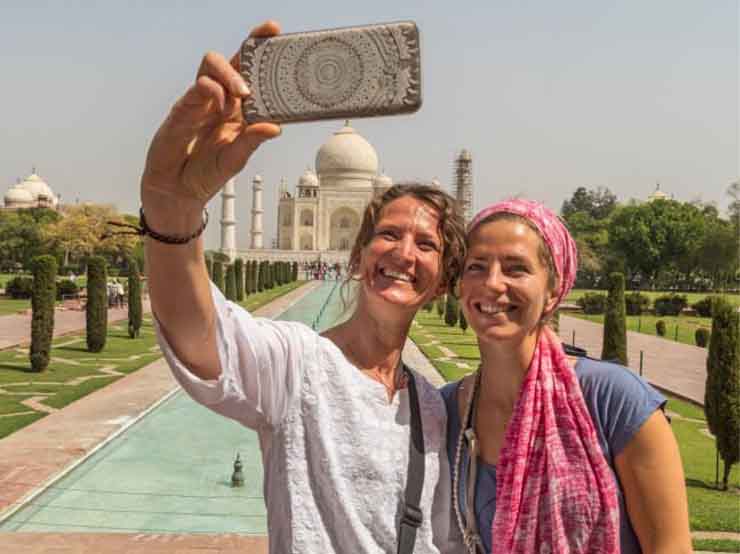
Experiencing the Taj Mahal in person is unlike anything else. The changing light throughout the day, the quiet reflection pools, and the sheer scale of the monument make it unforgettable.
Ready to see it for yourself? Book your tickets easily and start your journey here:
👉 https://ticketstajmahal.com
Your own interpretation of the Taj Mahal awaits.





Comment (0)