


The Taj Mahal, one of the most admired monuments in the world, has always captured the imagination of travelers and historians alike. While today it stands as a symbol of love, devotion, and architectural brilliance, historical records reveal that even this masterpiece faced challenges shortly after its completion.
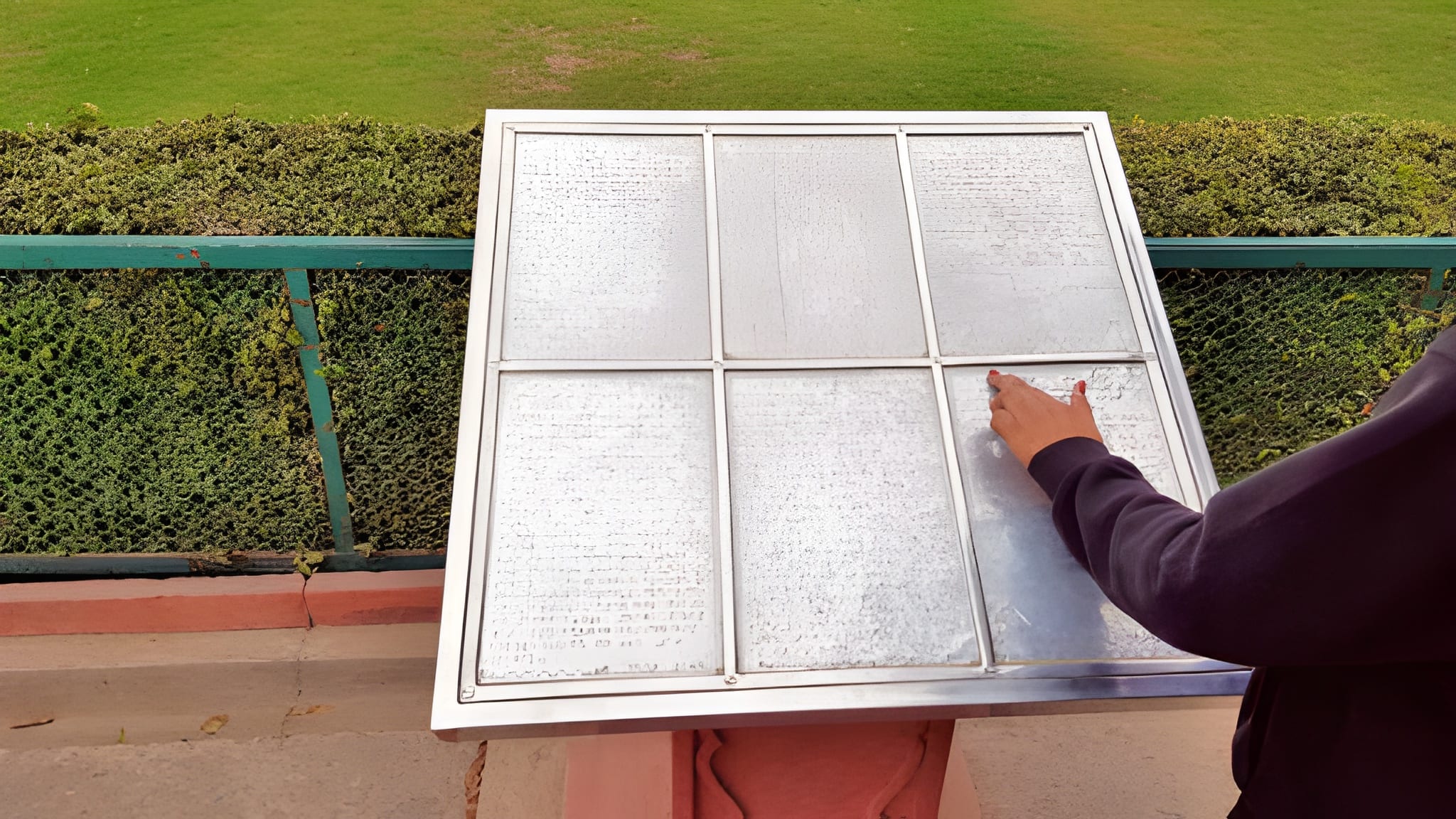
In December 1652, Aurangzeb, the son of Emperor Shah Jahan, wrote a detailed letter to his father regarding issues within the Taj Mahal complex. This fascinating document sheds light on the realities of maintaining such a grand monument in its early years.
The Concerns of a Prince
Aurangzeb reported that the tomb itself, along with the mosque and the assembly hall within the Taj Mahal complex, had developed extensive leaks during the previous rainy season. Despite the extraordinary craftsmanship and the use of the finest white marble and red sandstone, the seasonal monsoons of Agra exposed weaknesses that needed urgent attention.
The letter demonstrates Aurangzeb’s keen observation and responsibility in informing Shah Jahan of the problems. It also reveals the practical side of monument building—no matter how magnificent the architecture, nature has a way of testing its strength.
Engineering Challenges of the 17th Century
The Taj Mahal is renowned for its flawless symmetry, delicate carvings, and exquisite inlay work with semi-precious stones. However, the construction of such vast domes and vaulted halls was no small feat in the 17th century. Rainwater seepage, moisture damage, and wear on plaster and stone were common issues for large Mughal structures.
Aurangzeb’s letter is significant because it gives us a rare, first-hand account of how these challenges were addressed. It reminds us that the Taj Mahal was not just a symbol of eternal love but also a living structure, requiring care, maintenance, and adaptation over centuries.
The Enduring Monument
What is remarkable is that, despite these early reports of leakage, the Taj Mahal has survived nearly 400 years of monsoons, floods, environmental changes, and human impact. Restoration efforts by the Mughal emperors, the British, and later the Archaeological Survey of India have ensured that this monument continues to shine as a UNESCO World Heritage Site and one of the New Seven Wonders of the World.
Today, millions of visitors walk through the same mosque and assembly hall mentioned in Aurangzeb’s letter. They marvel not only at the grandeur of Shah Jahan’s vision but also at the resilience of this architectural wonder.
Experience the History Yourself
The story of Aurangzeb’s letter is just one of the countless fascinating tales hidden within the walls of the Taj Mahal. Every arch, dome, and garden carries centuries of history, making a visit here more than just sightseeing—it’s a journey through time.
If you are planning to explore the Taj Mahal and witness its beauty firsthand, we invite you to book your tickets conveniently at Ticketstajmahal.com. Discover the enduring legacy of love, architecture, and history that continues to inspire the world.






Comment (0)