


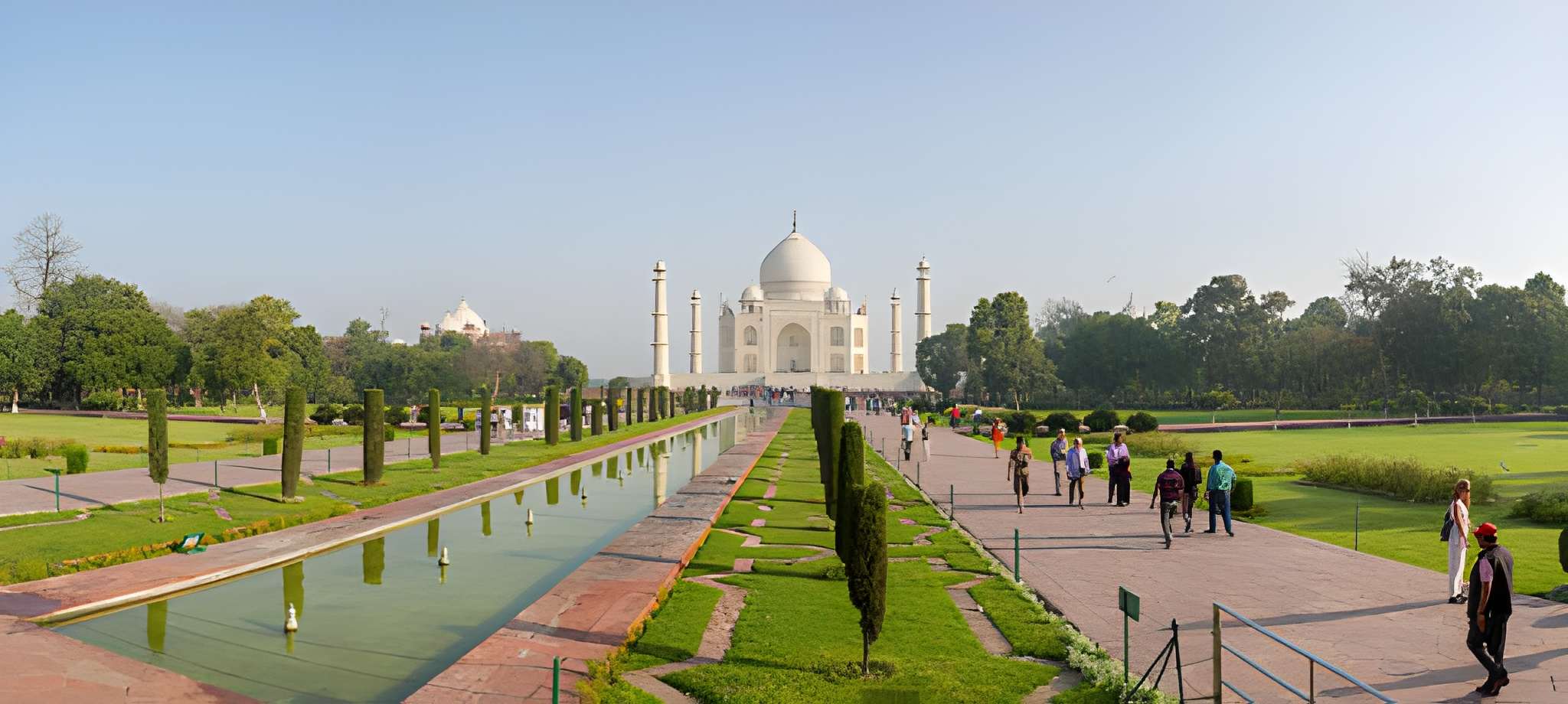
The Taj Mahal stands as one of the world’s greatest architectural achievements, but behind its serene beauty lies the legacy of extraordinary artisans. These unsung masters—engineers, calligraphers, stone inlayers, masons, and designers—turned Shah Jahan’s dream into a monument that has captivated hearts for centuries.
A Vision Brought to Life
When construction began in 1632, Shah Jahan gathered the finest talent from India, Persia, and Central Asia. Architects (ustads) led the design, while thousands of skilled craftsmen (karigars) worked with precision and devotion. Their combined expertise created a structure where every detail expresses harmony and artistry.
The Magic of Pietra Dura
One of the Taj Mahal’s most breathtaking elements is its marble inlay work, known as pietra dura. Precious stones like jade, carnelian, lapis lazuli, and turquoise were meticulously carved into delicate floral patterns and set into pure white marble.
This demanding process—requiring extreme patience and microscopic accuracy—gives the Taj its glowing elegance. Even today, experts admire the artisans’ incredible skill, which remains nearly impossible to reproduce at the same level.
Calligraphy That Defies Optics
Another wonder of craftsmanship lies in the black marble calligraphy that adorns the gateways and mausoleum. Created by master calligrapher Amanat Khan, these inscriptions are designed with clever optical adjustments: letters increase in size the higher they appear.
This creates the illusion of perfectly proportioned text when viewed from the ground—an ingenious blend of art and engineering.
Engineering the Iconic Dome
The Taj Mahal’s magnificent dome—often compared to a giant pearl—required exceptional architectural innovation. Built using a double-dome technique, it allowed the exterior to soar gracefully while preserving ideal proportions inside the main hall.
This method also enhances acoustics, enabling soft echoes that add a sense of sacredness to the space.
The Legacy Continues
The story of the Taj Mahal’s artisans doesn’t end in the 17th century. Many of their descendants still live and work in Agra today, preserving the same traditional skills passed down through generations.
In small workshops, they continue crafting marble inlay pieces, restoring decorative elements, and safeguarding a heritage that remains central to Agra’s cultural identity.
Experience Their Masterpiece
Visiting the Taj Mahal is not just sightseeing—it is stepping into a living tapestry of craftsmanship and devotion. Every stone reflects the dedication of those who built and preserved it.
For a smooth and reliable experience, you can book your tickets through ticketstajmahal.com, where visitors can secure entry quickly and avoid long queues at the site.





Comment (0)