



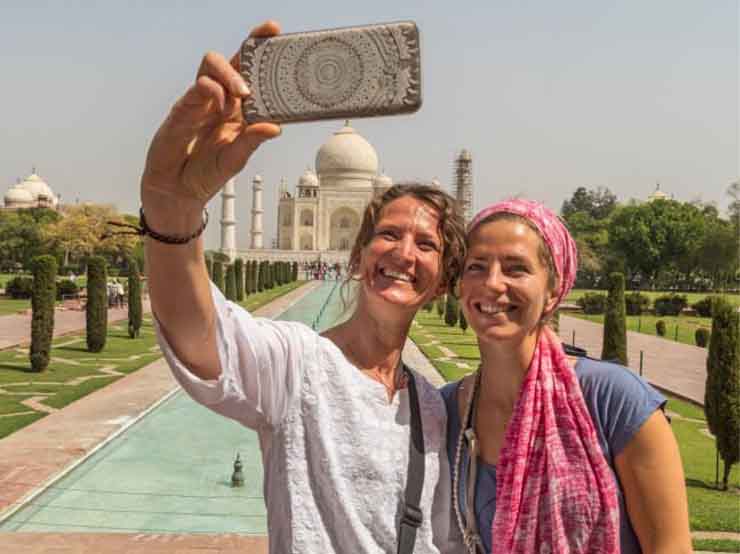
The Taj Mahal, one of the Seven Wonders of the World, is not just a beautiful monument—it is also a place full of history, art, and cultural lessons waiting to be discovered. For students and young travelers, visiting the Taj Mahal feels like stepping into a living classroom. Therefore, with the right preparation, your visit can be both educational and memorable.
Discover the History
Before you step through the gates, it is useful to understand the story behind the Taj Mahal. Built by Emperor Shah Jahan in the 17th century as a symbol of love for his wife Mumtaz Mahal, this white marble masterpiece combines Mughal, Persian, and Indian architecture. As a result, visitors can appreciate not only its beauty but also its cultural significance. Furthermore, knowing the history beforehand makes the carvings, calligraphy, and symmetry much more meaningful.
Plan Your Visit Smartly
The Taj Mahal is open six days a week (closed on Fridays). Consequently, students should plan carefully to avoid disappointment. To skip long lines, it is best to arrive early in the morning when the gates open. Sunrise is especially magical because the white marble glows in golden light. Additionally, travelers should remember that large bags are not allowed inside, so carrying only essentials will save time at security checks.
What to Look Out For
When exploring, pay attention to details that often go unnoticed. For example, the monument’s architecture reveals perfect symmetry and stunning minarets. Meanwhile, the gardens showcase Persian influence through their Charbagh design, which symbolizes paradise. In addition, the inscriptions carved on the walls display verses from the Quran, blending art with spirituality.
Be a Responsible Traveler
Visiting the Taj Mahal is not just about sightseeing; it is also about respect. Therefore, students should avoid touching or carving the marble walls. Moreover, keeping the grounds clean shows consideration for both history and other visitors. Since certain photography tools such as tripods and drones are not permitted, it is wise to check the rules in advance.
Tips for Young Explorers
To make the most of the experience, try some simple strategies. For instance, bringing a notebook or sketchpad allows you to jot down thoughts, sketch the architecture, or write reflections. Likewise, joining a guided tour can help uncover hidden stories and details. On hot days, carrying a water bottle is essential, while budgeting wisely ensures you can also visit nearby attractions such as Agra Fort or Mehtab Bagh.
Extend Your Learning
After touring the Taj Mahal, continue your journey by exploring Agra’s culture. For example, trying local food, visiting handicraft shops, or speaking with artisans adds depth to your learning. Consequently, your trip becomes more than a sightseeing tour—it transforms into a cultural adventure.
Book Your Tickets Online
Planning ahead makes travel easier. That is why booking your tickets online is highly recommended. At Ticketstajmahal.com, you can quickly secure your entry passes without standing in long queues. In addition, online booking ensures availability, so you can focus on learning and exploring instead of worrying about logistics.
Final Thought:
The Taj Mahal is more than a monument—it is a classroom of history, art, and culture under the open sky. For students and young travelers, it provides a chance to learn, reflect, and be inspired by one of the world’s greatest treasures. With preparation, respect, and curiosity, your journey will become an unforgettable life experience.





Comment (0)