


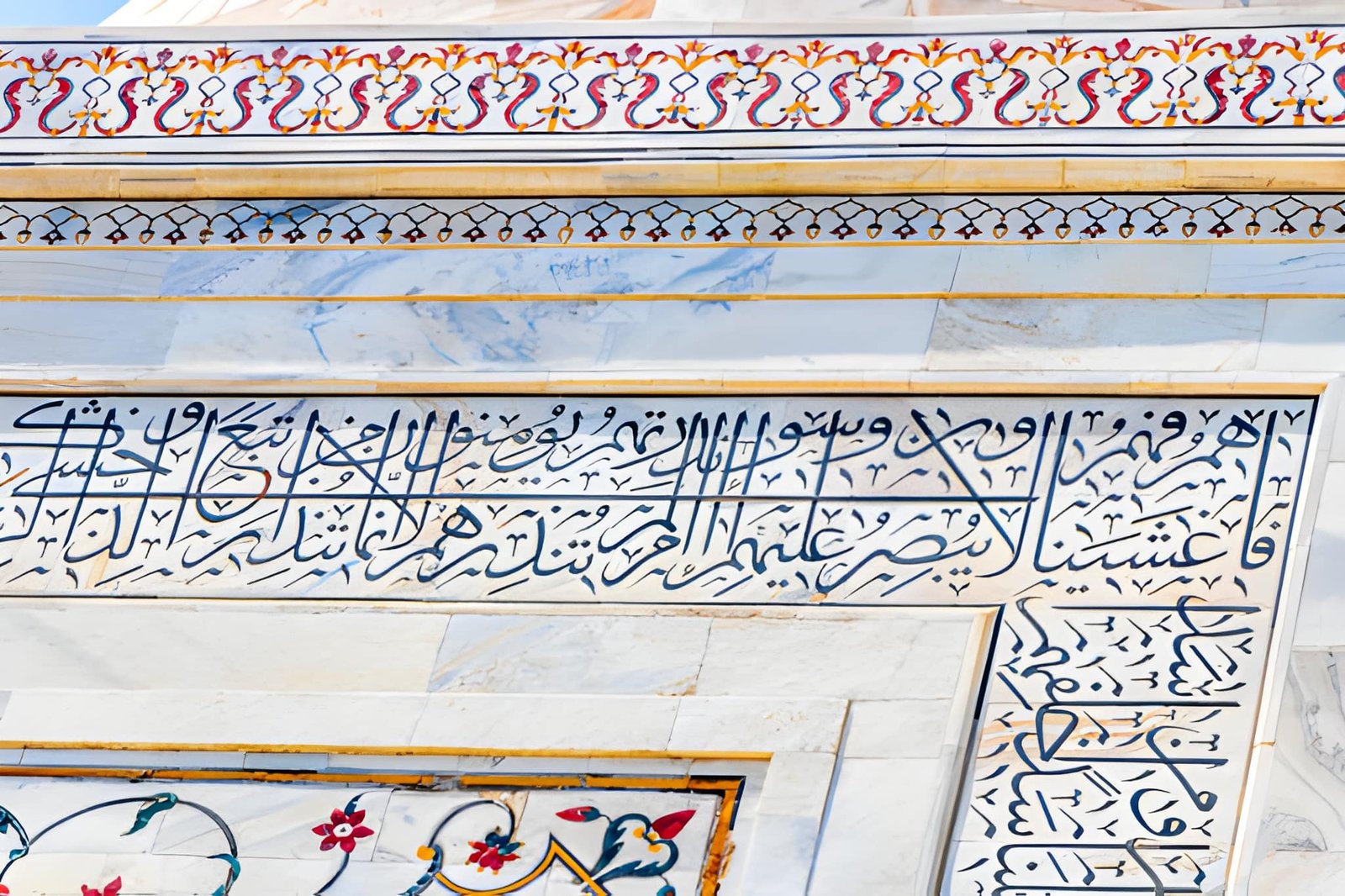
Quranic calligraphy stands among the most treasured forms of Islamic art. It combines faith, creativity, and centuries of tradition to present the words of the Holy Quran in a visually inspiring way. Rather than serving as simple handwriting, Quranic calligraphy reflects devotion, discipline, and deep respect for the sacred text.
The Origins of Quranic Calligraphy
Muslim scholars and artists began developing Arabic calligraphy soon after the rise of Islam. As Islam spread across different regions, calligraphers refined the art and created distinctive writing styles. Their work helped preserve the Quran while making its verses more beautiful and accessible.
Over the centuries, rulers, scholars, and patrons supported the growth of calligraphy, allowing it to flourish throughout the Islamic world.
Popular Styles of Quranic Calligraphy
Several calligraphic styles gained prominence in Islamic culture. Kufic features bold, geometric forms and often appears in architectural decorations. Naskh offers excellent readability and remains one of the most common scripts for Quran manuscripts. Thuluth stands out for its graceful curves and decorative appearance, making it a popular choice for mosque inscriptions and monumental artwork.
Each style showcases the versatility and beauty of the Arabic language while maintaining the accuracy of the Quranic text.
The Skill Behind the Art
Mastering Quranic calligraphy requires years of practice and dedication. Calligraphers study letter proportions, spacing, and composition to achieve visual harmony. They carefully craft every stroke to ensure both artistic excellence and textual precision.
Traditional calligraphers often train under experienced masters, learning techniques that artisans have passed down through generations.
Quranic Calligraphy in Islamic Architecture
Quranic calligraphy plays a major role in Islamic architecture. Artists use Quranic verses to decorate mosques, tombs, palaces, and public buildings. These inscriptions add spiritual meaning while enhancing the beauty of the structures.
One of the finest examples appears at the Taj Mahal in Agra. Master calligrapher Amanat Khan created the magnificent Quranic inscriptions that adorn the monument’s gateways and mausoleum. His work remains one of the most admired achievements in Islamic calligraphy and architecture.
Experience Quranic Calligraphy at the Taj Mahal
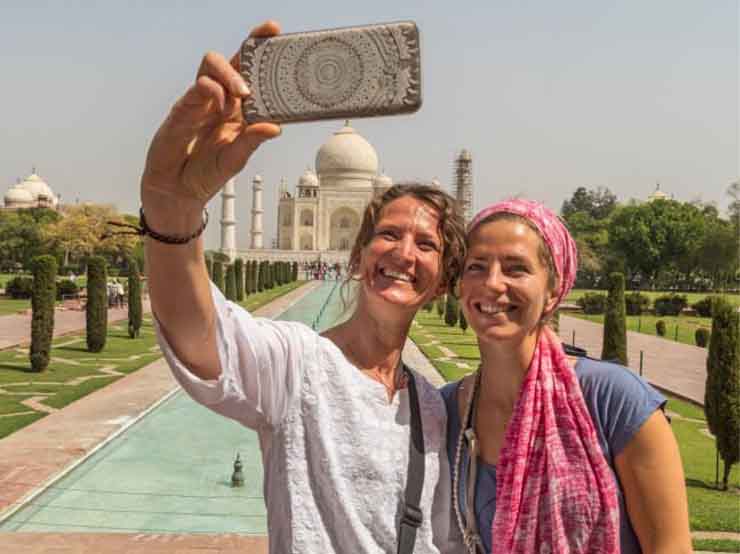
A visit to the Taj Mahal offers a unique opportunity to appreciate Quranic calligraphy up close. The carefully crafted inscriptions highlight the artistic and spiritual significance of the monument while showcasing the extraordinary talent of its creators.
If you are planning a trip, book your tickets in advance at https://ticketstajmahal.com and discover the timeless beauty of Quranic calligraphy at one of the world’s most iconic landmarks.





Comment (0)