


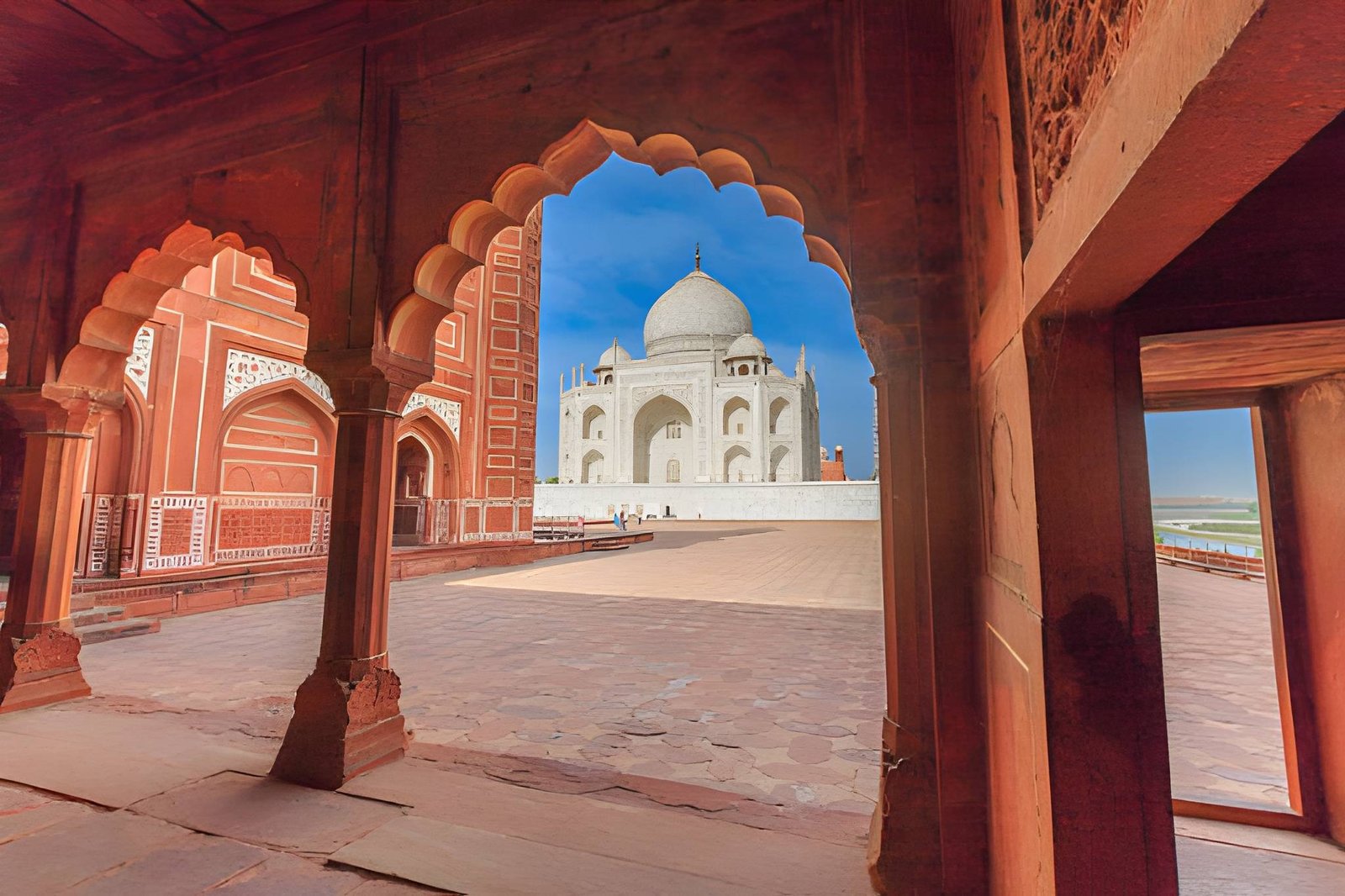
The Taj Mahal is far more than a symbol of love. It is one of the world’s greatest architectural masterpieces and a testament to the brilliance of Mughal design. Built between 1631 and 1648 by Emperor Shah Jahan in memory of his beloved wife Mumtaz Mahal, the monument continues to attract millions of visitors every year. Moreover, its beauty and engineering excellence have earned it recognition as one of the most admired landmarks on Earth.
The Power of Perfect Symmetry
One of the most fascinating secrets of the Taj Mahal is its extraordinary symmetry. From the grand entrance gate to the reflecting pools and gardens, every element was carefully planned to create visual balance. As a result, visitors experience a sense of harmony the moment they enter the complex.
Furthermore, the mosque on one side of the mausoleum is mirrored by a guest house on the other. This deliberate design enhances the monument’s elegance. Interestingly, the only feature that disrupts this symmetry is the tomb of Shah Jahan, which was added later beside Mumtaz Mahal’s resting place.
The Magic of White Marble
The Taj Mahal’s famous white marble is another reason for its global appeal. Sourced from Makrana in Rajasthan, the marble possesses unique reflective qualities. Consequently, the monument appears to change color throughout the day.
At sunrise, it often displays soft pink tones. Meanwhile, under the bright afternoon sun, it shines brilliantly white. By contrast, moonlight gives the marble a silvery glow that many visitors find unforgettable. Therefore, each visit offers a slightly different visual experience.
Intricate Artistry and Hidden Details
Beyond its impressive structure, the Taj Mahal is filled with remarkable artistic details. For example, skilled craftsmen used a technique known as pietra dura to inlay semi-precious stones into the marble. As a result, beautiful floral patterns and intricate designs decorate the walls.
In addition, the monument features stunning calligraphy from verses of the Quran. Notably, the lettering becomes larger as it rises higher on the walls. However, this clever optical illusion makes the script appear uniform when viewed from ground level. Such details demonstrate the exceptional craftsmanship of Mughal artisans.
Engineering Ahead of Its Time
The Taj Mahal is not only beautiful but also remarkably advanced from an engineering perspective. For instance, the four minarets surrounding the mausoleum were built with a slight outward tilt. Consequently, they would fall away from the main structure in the event of a major earthquake.
Furthermore, the monument stands on a massive elevated platform that enhances both stability and appearance. The central dome rises dramatically above the complex, creating the iconic silhouette recognized around the world. Therefore, the Taj Mahal remains a marvel of both architecture and engineering.
A Blend of Cultural Influences
Another secret behind the Taj Mahal’s enduring appeal is its fusion of architectural styles. Persian, Islamic, Central Asian, and Indian influences can all be seen throughout the complex. Moreover, these diverse elements blend seamlessly to create a unique masterpiece.
The grand dome, elegant arches, symmetrical gardens, and intricate decorations work together in perfect harmony. As a result, the Taj Mahal represents the pinnacle of Mughal architecture and artistic achievement.
Experience the Wonder Yourself
While photos are impressive, nothing compares to seeing the Taj Mahal in person. Whether you visit at sunrise, sunset, or under a full moon, the monument reveals new details and perspectives. Finally, experiencing this world wonder firsthand allows you to appreciate the craftsmanship and vision behind its creation.
Planning your visit? Book your tickets in advance to save time and enjoy a hassle-free experience. Visit https://ticketstajmahal.com today and secure your Taj Mahal tickets before your trip.






Comment (0)