


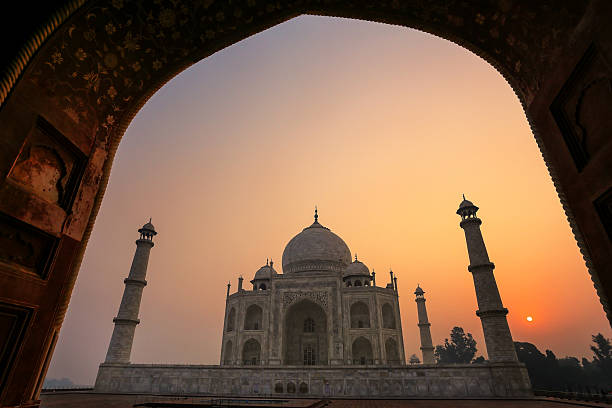
The Taj Mahal is one of the most famous landmarks in the world. Located in Agra, India, this magnificent white marble monument attracts millions of visitors every year. However, its beauty is only part of the story. Behind its stunning architecture lies a tale of love, loss, and devotion that has captivated people for centuries.
The Love Story Behind the Taj Mahal
The history of the Taj Mahal begins with Mughal Emperor Shah Jahan and his beloved wife, Mumtaz Mahal. The couple married in 1612 and shared a deep bond throughout their lives. Moreover, Mumtaz was not only the emperor’s wife but also his trusted companion and advisor.
Tragically, Mumtaz Mahal died in 1631 while giving birth to their 14th child. As a result, Shah Jahan was devastated by her loss. According to historical accounts, he vowed to build a monument that would preserve her memory forever. Consequently, the idea for the Taj Mahal was born.
The Construction of a Masterpiece
Construction of the Taj Mahal began in 1632 on the banks of the Yamuna River. At the time, Shah Jahan gathered some of the finest architects, artisans, and craftsmen from across the Mughal Empire. In addition, specialists from Persia and Central Asia contributed their expertise to the project.
More than 20,000 workers participated in the construction. Meanwhile, materials were transported from different regions of India and beyond. White marble was brought from Rajasthan, while precious and semi-precious stones were sourced from various parts of Asia.
The main mausoleum was completed in 1648. However, the surrounding gardens, mosque, and additional structures required several more years of work. Ultimately, the entire complex took approximately 22 years to complete.
A Wonder of Mughal Architecture
The Taj Mahal is widely regarded as one of the finest examples of Mughal architecture. It combines elements of Indian, Persian, and Islamic design in perfect harmony. Furthermore, its symmetrical layout creates a sense of balance and elegance that continues to impress visitors today.
One of the monument’s most remarkable features is its intricate marble inlay work. In addition, the walls are decorated with delicate floral patterns and calligraphy. As sunlight changes throughout the day, the marble appears to shift in color. Therefore, visitors often experience a different view of the monument at sunrise, midday, and sunset.
The Legacy of the Taj Mahal
Over the centuries, the Taj Mahal has become much more than a royal tomb. Instead, it has evolved into a global symbol of eternal love. As a result, people from around the world travel to Agra to witness its beauty firsthand.
In 1983, UNESCO designated the Taj Mahal as a World Heritage Site. Furthermore, it is recognized as one of the New Seven Wonders of the World. Today, the monument stands as a testament to human creativity, architectural excellence, and enduring love.
Plan Your Visit to the Taj Mahal
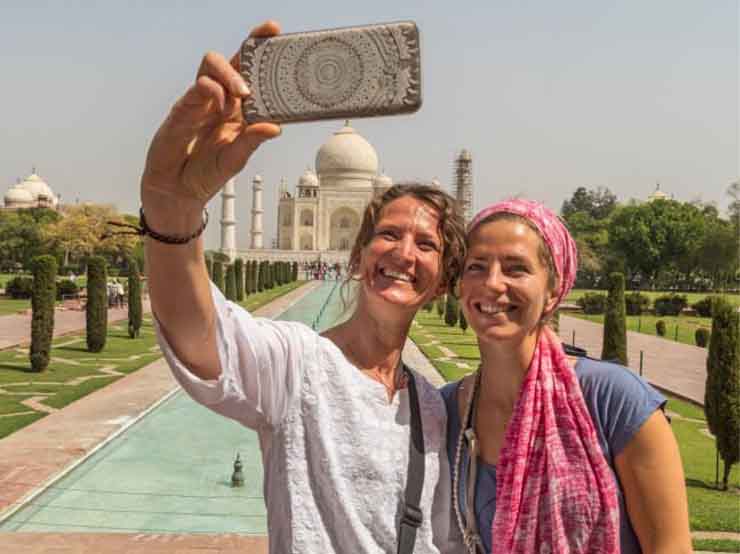
Whether you are fascinated by history, architecture, or culture, the Taj Mahal offers an unforgettable experience. Therefore, planning your visit in advance is highly recommended to avoid long queues and secure entry.
Book your tickets today at https://ticketstajmahal.com and discover the timeless story behind India’s most iconic monument of love.





Comment (0)