


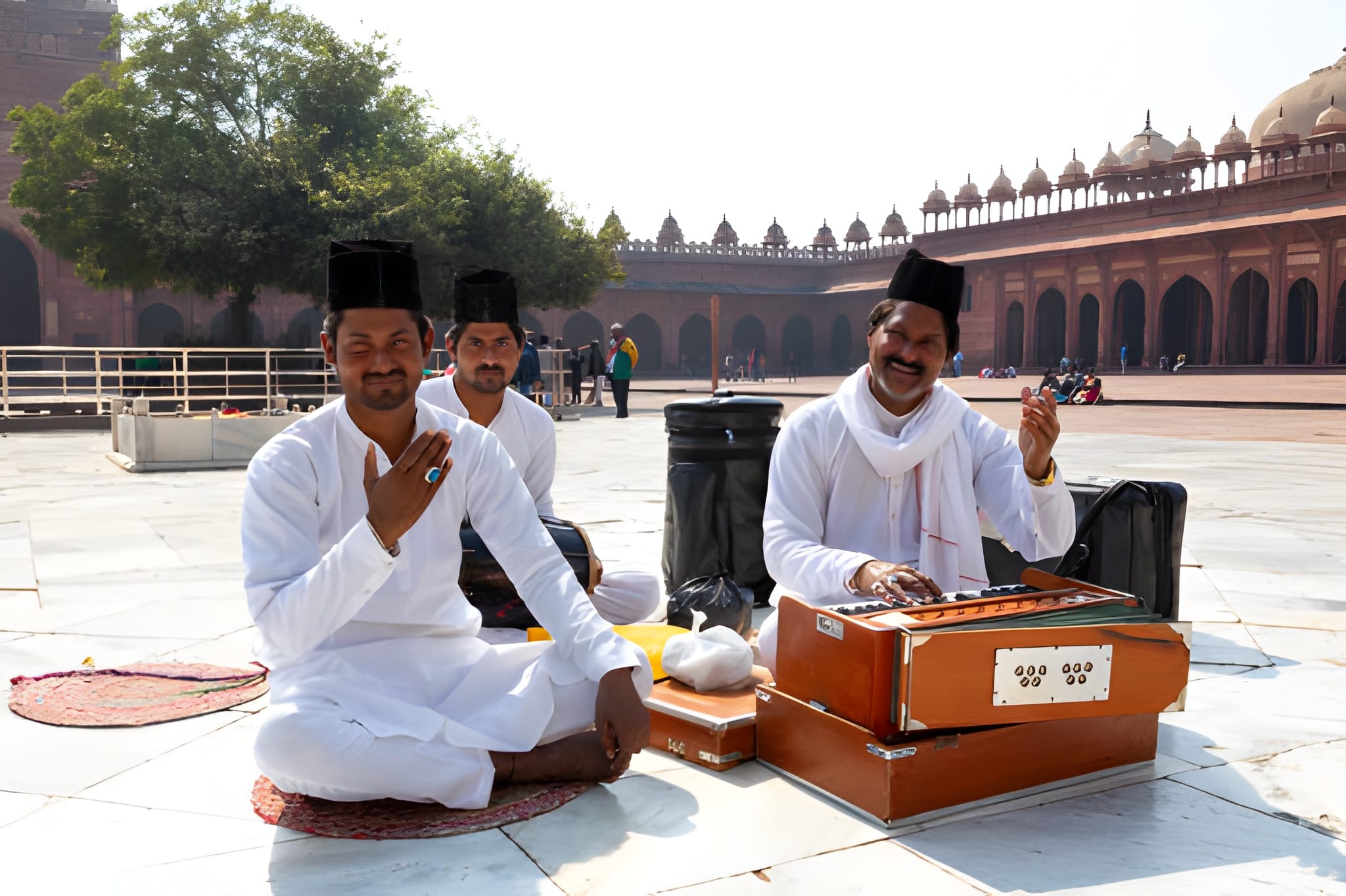
Across the Islamic world, the sound of the call to prayer, or adhan, resonates from minarets and mosques, signaling the sacred moments of daily worship. Central to this tradition is the muezzin, the person chosen to perform the call. While the voice of the muezzin is the most vital element, various instruments have historically accompanied or amplified this call, ensuring it reaches every corner of the community.
The Muezzin and the Call to Prayer
The muezzin holds a revered role in Islamic culture. Traditionally stationed in a mosque’s minaret, the muezzin announces the adhan five times a day, reminding Muslims to pause, reflect, and pray. The call itself is a melodic proclamation, often performed in a distinct style that reflects local traditions and regional musical patterns.
Instruments Used to Amplify the Adhan
-
The Human Voice: Above all, the most important “instrument” is the muezzin’s voice. Through careful modulation and melodic phrasing, the muezzin ensures the adhan is not only heard but felt spiritually by those within earshot.
-
Megaphones and Loudspeakers: In modern times, technology has expanded the reach of the call. Loudspeakers mounted on minarets allow the adhan to travel far beyond the immediate vicinity of the mosque, uniting entire neighborhoods in prayer.
-
Traditional Horns and Drums: In some regions, historical practices included the use of instruments like horns or small drums, particularly in crowded or open areas, to draw attention before the muezzin’s voice began. These instruments have become less common but remain a fascinating part of Islamic cultural heritage.
-
Bells and Gongs: Certain Islamic communities, particularly in South and Southeast Asia, incorporated bells or gongs in early morning or evening calls, blending local musical traditions with religious practice.
A Cultural and Spiritual Experience
The combination of the muezzin’s voice and instruments creates an immersive auditory experience, connecting communities with centuries of tradition. Each mosque has its own unique style, making the adhan not just a call to prayer but also a celebration of local artistry and devotion.
Visiting historical mosques allows travelers to witness this tradition firsthand. From the echoing minarets of the Middle East to the ornate mosques of South Asia, the call of the muezzin is both a spiritual and cultural highlight.
For those looking to explore such experiences in India, a visit to iconic landmarks like the Taj Mahal provides more than just architectural marvels—it offers a chance to hear the timeless call to prayer in its original, awe-inspiring setting. Book your tickets today at Ticketstajmahal.com to witness history, devotion, and music come alive.






Comment (0)