


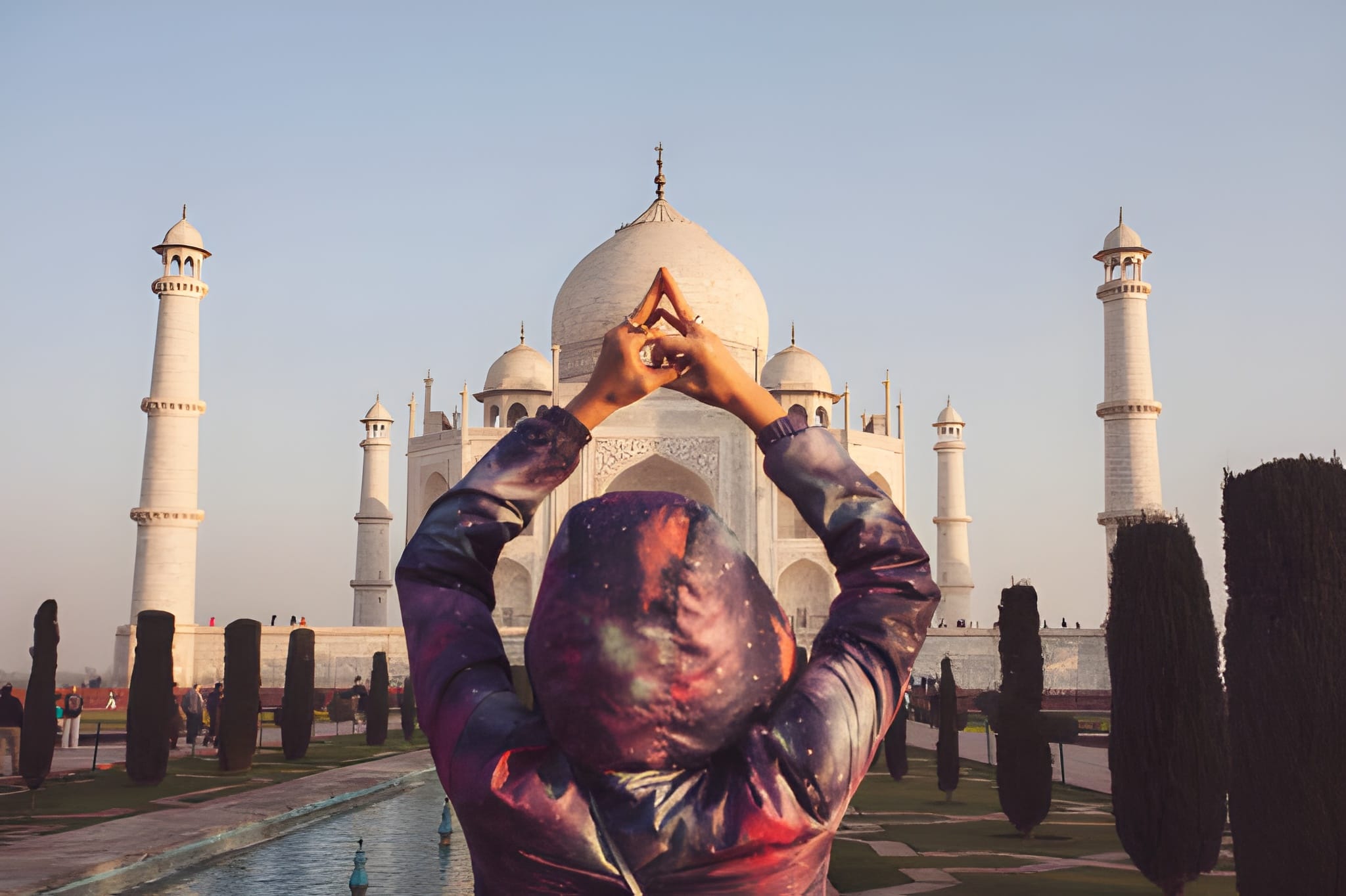
The Taj Mahal, one of the world’s most celebrated monuments, has inspired countless myths, theories, and debates about its origins. While the historical record attributes its creation to Emperor Shah Jahan, who commissioned it in memory of his beloved wife Mumtaz Mahal, the question of who actually designed this architectural masterpiece has occasionally been clouded by unsupported claims.
One such theory emerged in the late 19th century, suggesting that an Italian architect named Geronimo Vereneo was responsible for the design of the Taj Mahal. This idea gained attention when Henry George Keene, a British writer, promoted it in 1879. For a short time, the story held sway, capturing the curiosity of both Western audiences and local observers.
The Rise of the Theory
Keene’s claim was not based on substantial evidence but rather on the growing European fascination with the Mughal empire and its architectural wonders. In the colonial imagination, it was tempting to attribute the sophistication of the Taj Mahal to Western influence. Vereneo, an obscure Italian figure with limited historical records tied to Mughal India, became the centerpiece of this narrative.
Why the Claim Faded
Historians and scholars quickly dismissed the theory, pointing out that there was no credible documentation linking Vereneo to the project. On the other hand, abundant evidence exists of the Mughal court’s reliance on a diverse group of master architects and artisans from across India and Central Asia. The blend of Persian, Indian, and Islamic styles reflected in the Taj Mahal strongly supports this multicultural collaboration, leaving little room for the idea of a single European designer.
Moreover, contemporary Mughal records and accounts emphasize Shah Jahan’s vision and the expertise of his imperial architects. The balance, proportion, and symbolic depth of the Taj Mahal are consistent with Mughal design traditions, not with European Renaissance styles.
The Enduring Legacy of the Taj Mahal
The Geronimo Vereneo theory serves as a reminder of how myths can briefly overshadow history. While such claims may add intrigue, the true story of the Taj Mahal is far richer and more meaningful: it is a monument born from love, perfected by the artistry of Mughal craftsmen, and preserved as a symbol of India’s cultural heritage.
Today, visitors from around the world continue to marvel at its white marble domes, intricate carvings, and serene gardens. The monument’s beauty and symbolism remain unrivaled, a testament to the vision of Shah Jahan and the skill of his artisans—not to unsubstantiated European influence.
Plan Your Visit
The best way to appreciate the Taj Mahal is to experience its grandeur in person. Whether at sunrise, when its marble glows softly, or under the moonlight, when it appears almost ethereal, the Taj Mahal leaves an everlasting impression.
Book your tickets conveniently through Ticketstajmahal.com and make your journey to one of the world’s greatest wonders seamless and memorable.






Comment (0)