


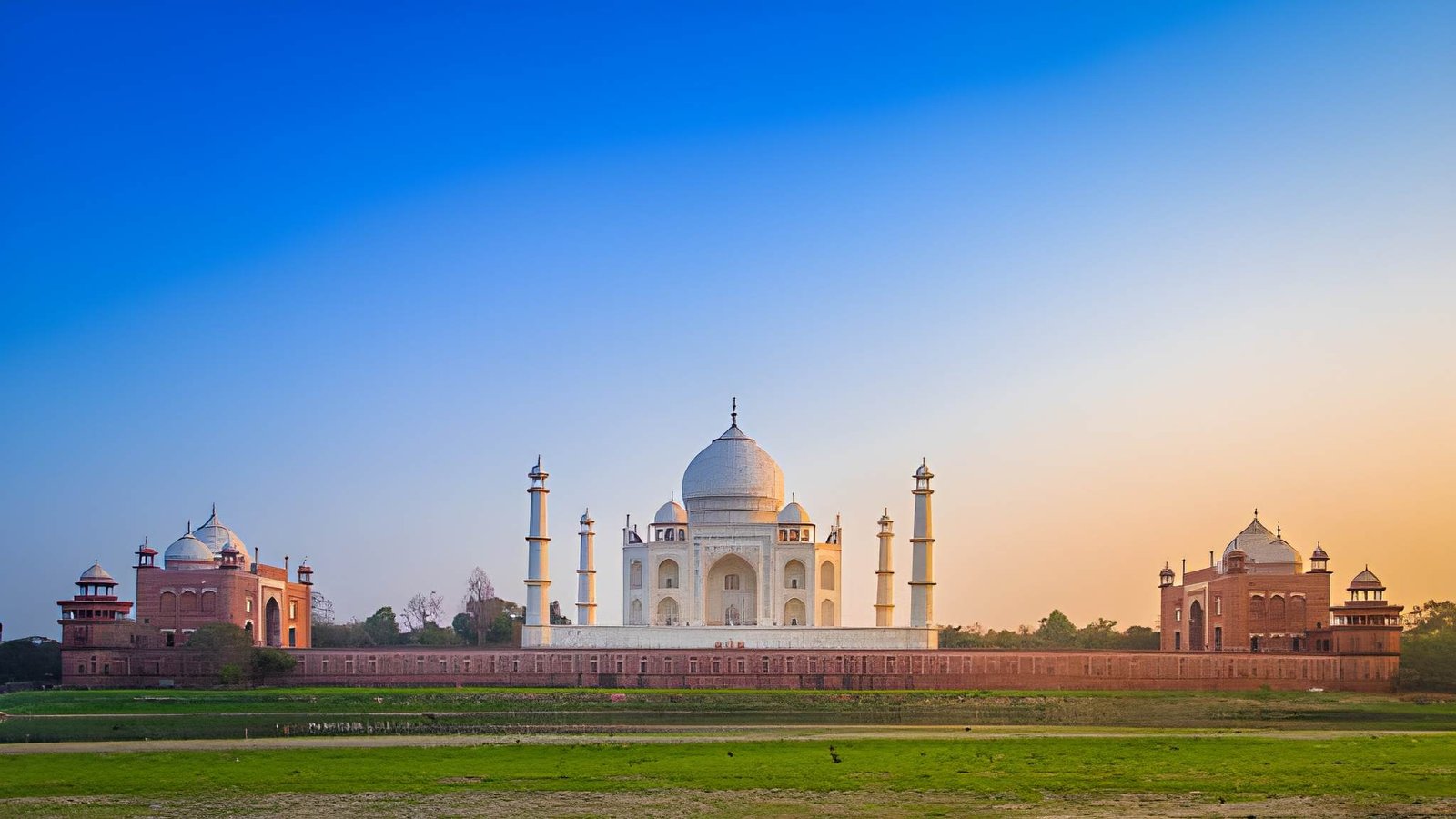
The Taj Mahal remains one of the world’s most famous landmarks. Every year, millions of travelers visit this architectural masterpiece in Agra. However, preserving its beauty requires constant care and attention. Pollution, weather conditions, and environmental damage continue to threaten the monument. Therefore, conservation teams work year-round to protect this global treasure.
Why the Taj Mahal Requires Preservation
The Mughal emperor Shah Jahan built the Taj Mahal in the 17th century. Although the monument has stood strong for centuries, modern pollution has created serious challenges. Vehicle emissions, factory smoke, and dust particles slowly stain the white marble. In addition, acid rain and river pollution affect the structure’s appearance and stability.
Conservation experts also monitor cracks, moisture, and water seepage inside the monument. As a result, engineers regularly inspect the dome, minarets, and marble surfaces to prevent further damage. These inspections help experts identify weak areas before they become larger problems.
Traditional Cleaning Methods
Conservation teams use several techniques to restore the Taj Mahal’s marble shine. One of the most effective methods is the famous mud pack treatment, also called multani mitti cleaning. During this process, workers apply natural clay to the marble surface. The clay absorbs dirt and pollutants before experts gently wash it away.
Moreover, restoration teams repair damaged marble joints and replace worn stones when necessary. They also strengthen vulnerable areas affected by moisture and changing weather conditions. Because of these efforts, the monument continues to maintain its elegant appearance.
Pollution Control Around the Monument
Authorities understand that preserving the Taj Mahal requires more than surface cleaning. Therefore, the Indian government established the Taj Trapezium Zone (TTZ) to reduce pollution around Agra. Officials restricted coal-based industries and encouraged cleaner energy sources near the monument.
Additionally, environmental agencies monitor air quality around the Taj Mahal throughout the year. Researchers also study new environmental threats, including river contamination and airborne particles. These studies help conservation teams develop better preservation strategies for the future.
Protecting a Timeless Wonder
The Taj Mahal represents history, culture, and architectural brilliance. For this reason, preservation work remains essential for protecting the monument for future generations. Conservation experts continue to combine traditional restoration methods with modern technology to safeguard this world-famous site.
If you are planning a visit, book your tickets easily through Tickets Taj Mahal and experience one of the world’s greatest wonders in person.






Comment (0)