


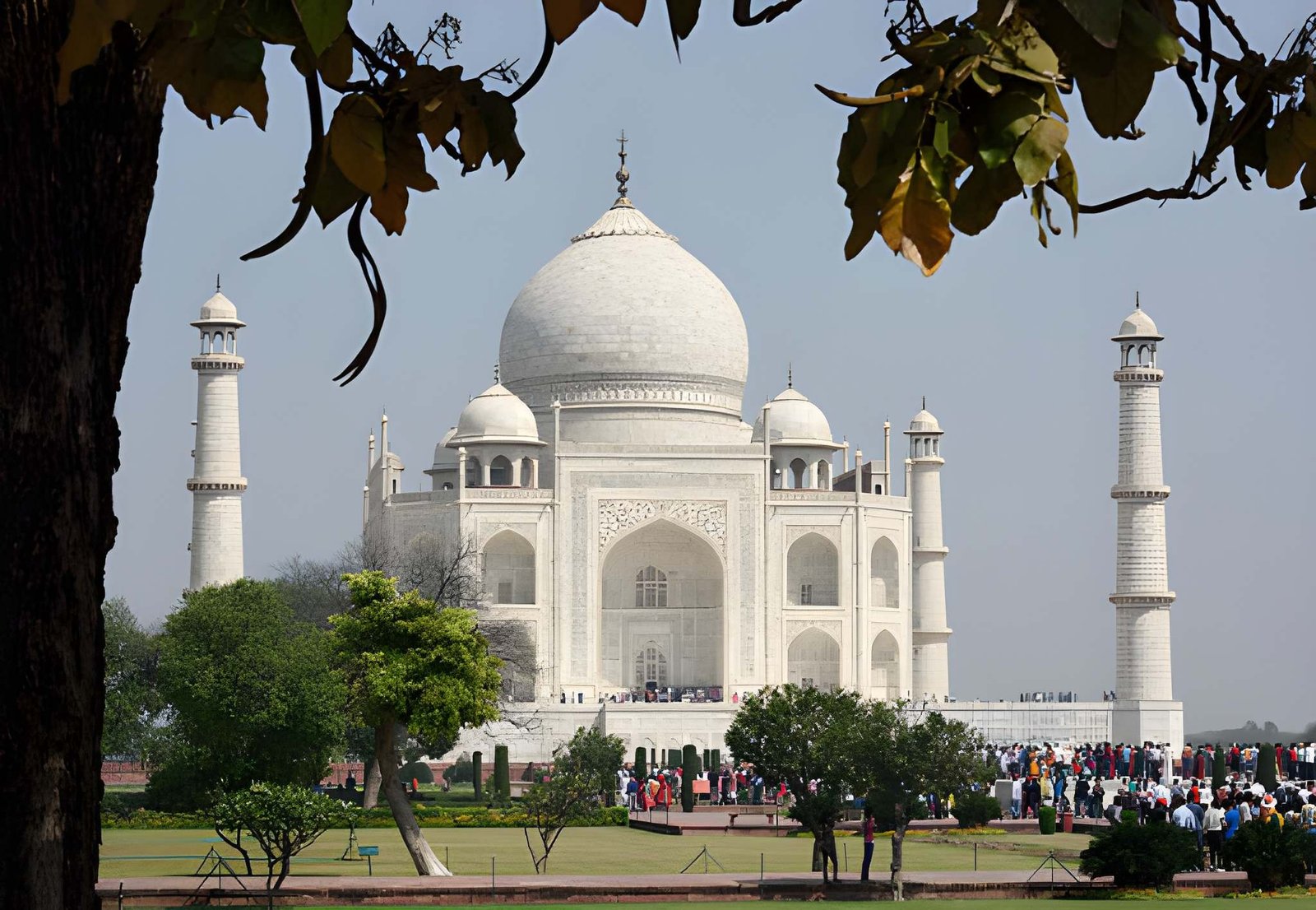
xxThe Taj Mahal stands as one of the most beautiful monuments in the world. Built by Shah Jahan in the 17th century, this white marble masterpiece welcomes millions of visitors every year. To keep its beauty alive, conservation experts carry out regular restoration and maintenance work.
Why the Taj Mahal Needs Regular Maintenance
Pollution, dust, acid rain, and weather changes slowly affect the marble surface of the Taj Mahal. Smoke from factories and vehicles can turn the marble yellow over time. Changes in the nearby Yamuna River also impact the monument’s foundation.
Because the structure is more than 350 years old, experts must inspect and maintain it regularly. Without proper care, cracks, stains, and surface damage could reduce its beauty and historical value.
The Mud Pack Cleaning Method
Conservation teams use a special cleaning process called the Multani Mitti treatment. In this method, workers apply natural clay to the marble surface and allow it to dry. The clay pulls out dirt, oil, and pollutants from the stone.
After workers remove the dried clay, the marble regains much of its natural shine and whiteness. This method helps protect the delicate marble without using harsh chemicals.
Repairing the Monument’s Structure
The Archaeological Survey of India regularly checks the Taj Mahal for signs of damage. Skilled craftsmen repair cracked marble panels, restore stone inlay designs, and strengthen weak sections of the structure.
Maintenance teams also care for the gardens, fountains, domes, and minarets. These efforts help preserve the entire complex for future generations.
Reducing Pollution Around the Taj Mahal
The Indian government created the Taj Trapezium Zone (TTZ) to reduce pollution near Agra. Authorities limit heavy industrial activity in the area and encourage cleaner energy sources.
Officials also restrict vehicle movement near the monument. These steps help protect the white marble from harmful air pollution and environmental damage.
Protecting a World Heritage Site
The UNESCO recognizes the Taj Mahal as a World Heritage Site. Conservation experts continue to balance tourism with preservation so visitors can enjoy the monument without harming it.
Regular restoration work, environmental protection, and careful monitoring all play a major role in preserving this architectural wonder.
Plan Your Taj Mahal Visit
Experience the beauty and history of the Taj Mahal while learning about the efforts that keep it shining for generations. Book your visit easily through Tickets Taj Mahal.





Comment (0)