


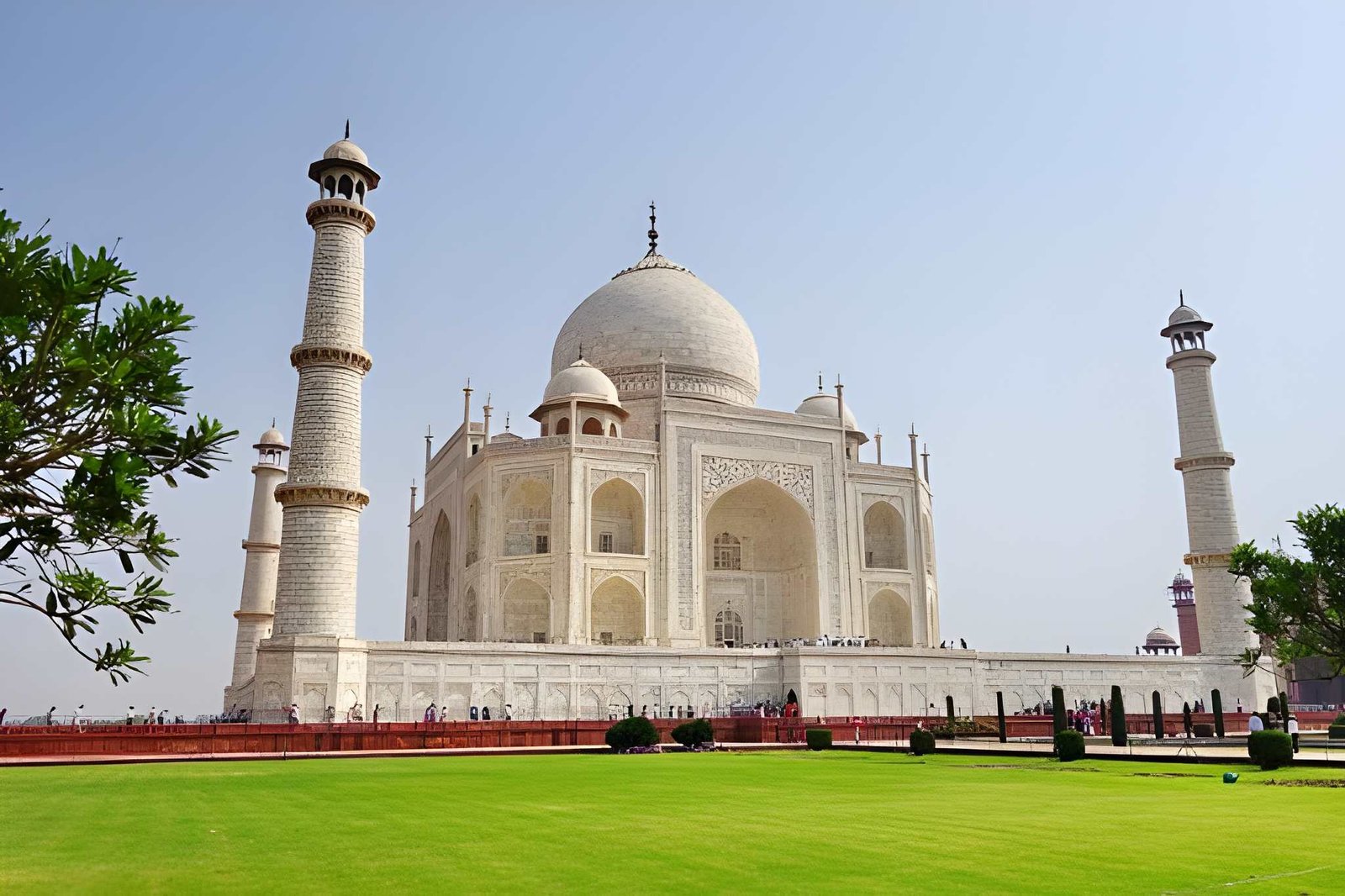
Few landmarks in the world evoke emotion quite like the Taj Mahal. Millions of visitors travel across continents not just to see it—but to feel it. But what exactly makes this monument so universally captivating? The answer lies deep in human psychology.
1. The Universal Power of Love
At its core, the Taj Mahal represents a timeless love story. Built by Emperor Shah Jahan in memory of his wife Mumtaz Mahal, it symbolizes devotion, loss, and remembrance—emotions that transcend culture and language.
Psychologically, humans are wired to connect with stories of love and grief. This emotional relatability transforms the Taj Mahal from a historical structure into a shared human experience. Visitors don’t just admire it—they emotionally resonate with it.
2. Beauty, Symmetry, and the Brain
The Taj Mahal’s perfect symmetry and harmonious proportions are not accidental—they align with how our brains perceive beauty. Humans naturally prefer balance and order, which creates a sense of calm and satisfaction.
The central dome, mirrored gardens, and reflective pools create visual harmony, triggering a psychological response often associated with awe. This explains why visitors frequently describe the monument as “breathtaking” even before understanding its history.
3. A Sense of Awe and Transcendence
Standing before the Taj Mahal often produces what psychologists call “awe”—a feeling that expands perception and makes us feel part of something greater.
Its scale, craftsmanship, and changing colors—from soft pink at sunrise to golden hues at sunset—create a dynamic experience that feels almost alive.
This sense of awe is powerful: it reduces stress, increases happiness, and creates lasting memories, making the visit deeply meaningful.
4. The Need for Cultural Anchors
For many global travelers, visiting India can feel overwhelming due to its diversity and scale. Psychologically, people seek a familiar “anchor” when exploring new environments.
The Taj Mahal serves as that anchor—a globally recognized icon that provides comfort and certainty in an unfamiliar setting.
It becomes the starting point of understanding a new culture, offering both emotional and visual reassurance.
5. Symbolism Beyond Borders
Over time, the Taj Mahal has evolved into more than a monument—it’s a global symbol. It represents love, artistry, and human achievement all at once.
This symbolic power allows people from different backgrounds to project their own meanings onto it. For some, it’s romance. For others, it’s architectural genius or spiritual reflection.
6. The “Once-in-a-Lifetime” Effect
Psychologically, people are drawn to experiences perceived as rare or iconic. The Taj Mahal is often seen as a “bucket-list” destination, which increases its desirability.
Seeing it in person validates expectations built over years of images and stories—creating a powerful sense of fulfillment.
Experience It Yourself
The Taj Mahal’s global appeal isn’t just about what you see—it’s about what you feel. From emotional storytelling to visual perfection, every element is designed to leave a lasting impression.
Ready to experience it firsthand?
Plan your visit and book your tickets easily at: https://ticketstajmahal.com
Let the psychology become your personal experience.





Comment (0)