


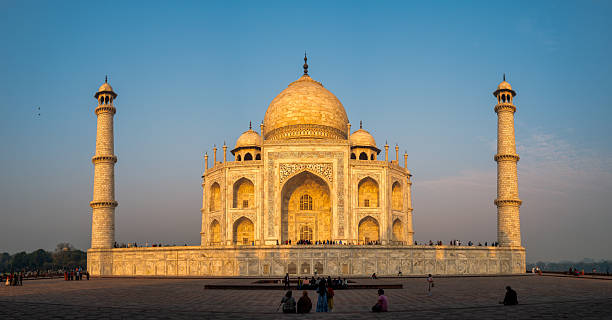
The Taj Mahal is one of the most famous monuments in the world and a symbol of India’s rich cultural heritage. Located in Agra, this magnificent white marble masterpiece attracts millions of visitors every year. Moreover, its remarkable beauty and fascinating history continue to captivate travelers from across the globe. Built by Mughal Emperor Shah Jahan in memory of his beloved wife Mumtaz Mahal, the Taj Mahal is widely regarded as the finest example of Mughal architecture.
The Love Story Behind the Monument
The story of the Taj Mahal begins with a profound expression of love. After Mumtaz Mahal passed away in 1631, Shah Jahan decided to create a monument unlike any other. Consequently, construction began in 1632 and continued for more than two decades.
Thousands of artisans, architects, and craftsmen contributed to the project. As a result, the completed monument became one of the greatest architectural achievements in human history. Today, visitors from every corner of the world come to admire both its beauty and its romantic legacy.
A Perfect Blend of Architectural Styles
One of the most impressive aspects of the Taj Mahal is its architectural design. The monument combines Persian, Islamic, and Indian influences in a harmonious way. Furthermore, every element was carefully planned to create a sense of balance and symmetry.
At the center stands the iconic marble mausoleum crowned by a grand dome. Meanwhile, four elegant minarets frame the structure and enhance its visual appeal. In addition, the entire complex reflects the Mughal emphasis on proportion, order, and artistic excellence.
The Extraordinary Beauty of Marble
The Taj Mahal is especially famous for its stunning white marble exterior. Not only is the marble visually striking, but it also serves as a canvas for intricate decorative work. Delicate floral carvings and colorful stone inlays showcase the exceptional skill of Mughal craftsmen.
Moreover, the monument appears different throughout the day. At sunrise, it often takes on a soft pink glow. During the afternoon, however, the marble shines with brilliant white brightness. By sunset and under moonlight, the structure transforms once again, displaying warm golden and silvery hues. Therefore, every visit offers a unique visual experience.
The Gardens and Surrounding Complex
The Taj Mahal is much more than a single building. In fact, it is part of a carefully designed complex that includes gardens, reflecting pools, a mosque, and a guest house.
The gardens follow the traditional Mughal charbagh layout. As a result, visitors can enjoy a peaceful environment that complements the grandeur of the monument. Furthermore, the reflecting pools create breathtaking views and provide some of the best photo opportunities on the site.
Why the Taj Mahal Remains a Global Icon
Centuries after its completion, the Taj Mahal continues to inspire admiration around the world. Not only is it a UNESCO World Heritage Site, but it is also considered one of the greatest architectural wonders ever created.
Its enduring popularity stems from several factors. First, it represents an extraordinary achievement in design and craftsmanship. Second, it tells a timeless story of love and devotion. Ultimately, these qualities make the Taj Mahal an unforgettable destination for travelers of all ages.
Plan Your Visit
If you are planning a trip to Agra, booking your tickets in advance is highly recommended. This helps you save time and avoid unnecessary delays. In addition, advance booking allows you to focus on enjoying the experience rather than waiting in long queues.
For this reason, many visitors choose to reserve their entry online before arriving. Book your Taj Mahal tickets today at https://ticketstajmahal.com and prepare to explore one of the world’s most breathtaking monuments.






Comment (0)