


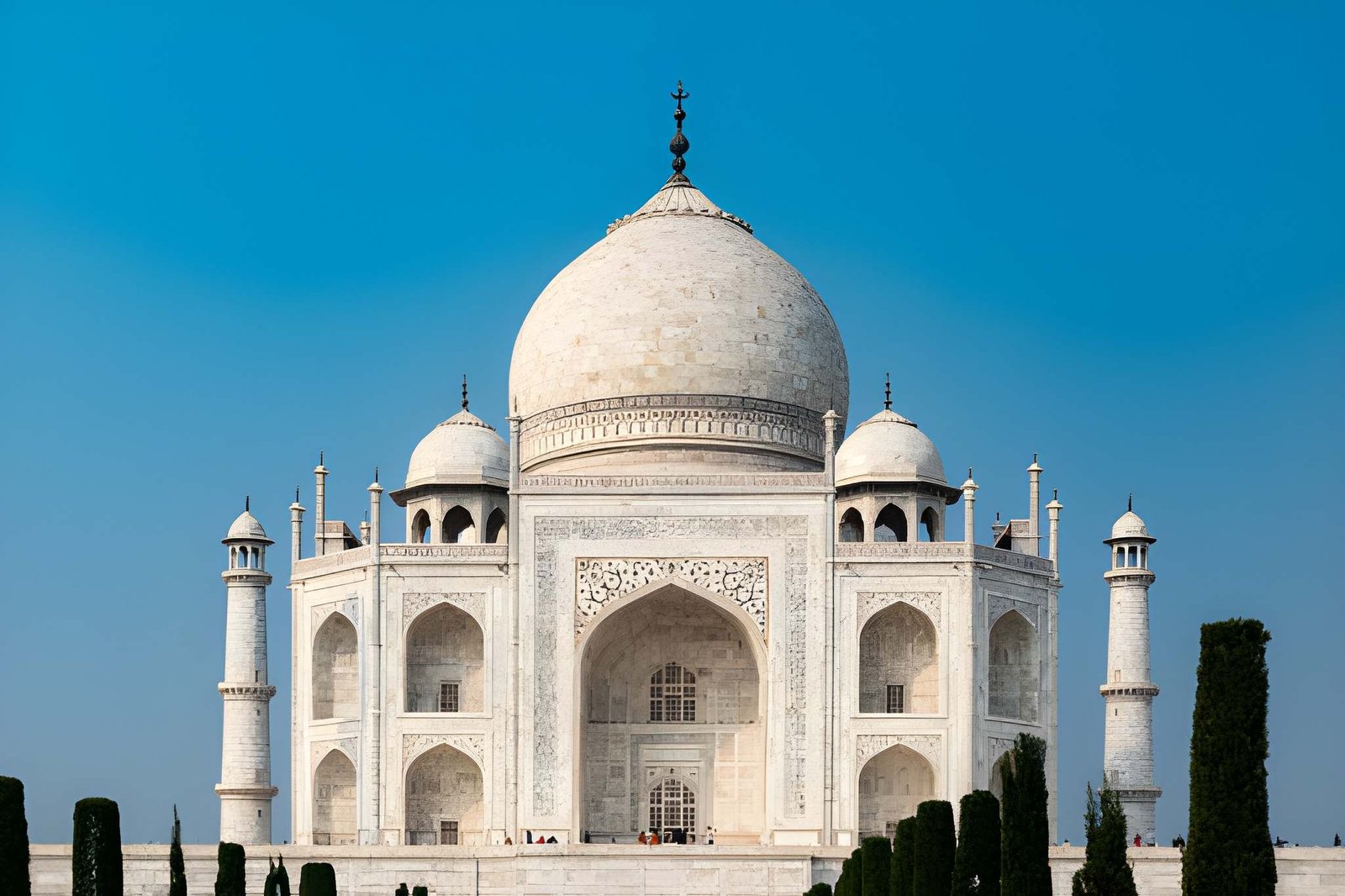
The Taj Mahal is one of the most iconic landmarks in the world. Whether you’re planning a visit or just curious, here are five simple points to understand its beauty, history, and significance.
1. A Monument of Love
The Taj Mahal was built by Mughal Emperor Shah Jahan in memory of his beloved wife Mumtaz Mahal. After her death in 1631, he commissioned this grand mausoleum as a symbol of eternal love. Today, it stands as one of the most romantic structures ever created.
2. Built with Stunning Architecture
Constructed using white marble, the Taj Mahal blends Persian, Islamic, and Indian architectural styles. Its perfect symmetry, large dome, and detailed carvings make it a masterpiece. The structure changes color depending on the time of day—pinkish in the morning, bright white in the afternoon, and golden at sunset.
3. Took Over 20 Years to Complete
Construction began in 1632 and took more than two decades to finish. Thousands of artisans and craftsmen worked on it, using materials sourced from across Asia. The level of detail—from intricate marble inlays to calligraphy—is truly extraordinary.
4. A UNESCO World Heritage Site
The Taj Mahal is recognized as a UNESCO World Heritage Site and is one of the New Seven Wonders of the World. Millions of visitors come each year to witness its beauty and cultural importance. It represents not only love but also the artistic excellence of the Mughal era.
5. A Must-Visit Destination in India
Located in Agra, India, the Taj Mahal is a must-see for travelers worldwide. Visiting early in the morning or during sunset offers the best experience. To make your trip smooth and hassle-free, it’s best to book tickets in advance.
👉 Plan your visit and book tickets easily here: https://ticketstajmahal.com
Whether you admire it for its history, architecture, or symbolism, the Taj Mahal remains a timeless wonder that continues to captivate hearts around the world.






Comment (0)