


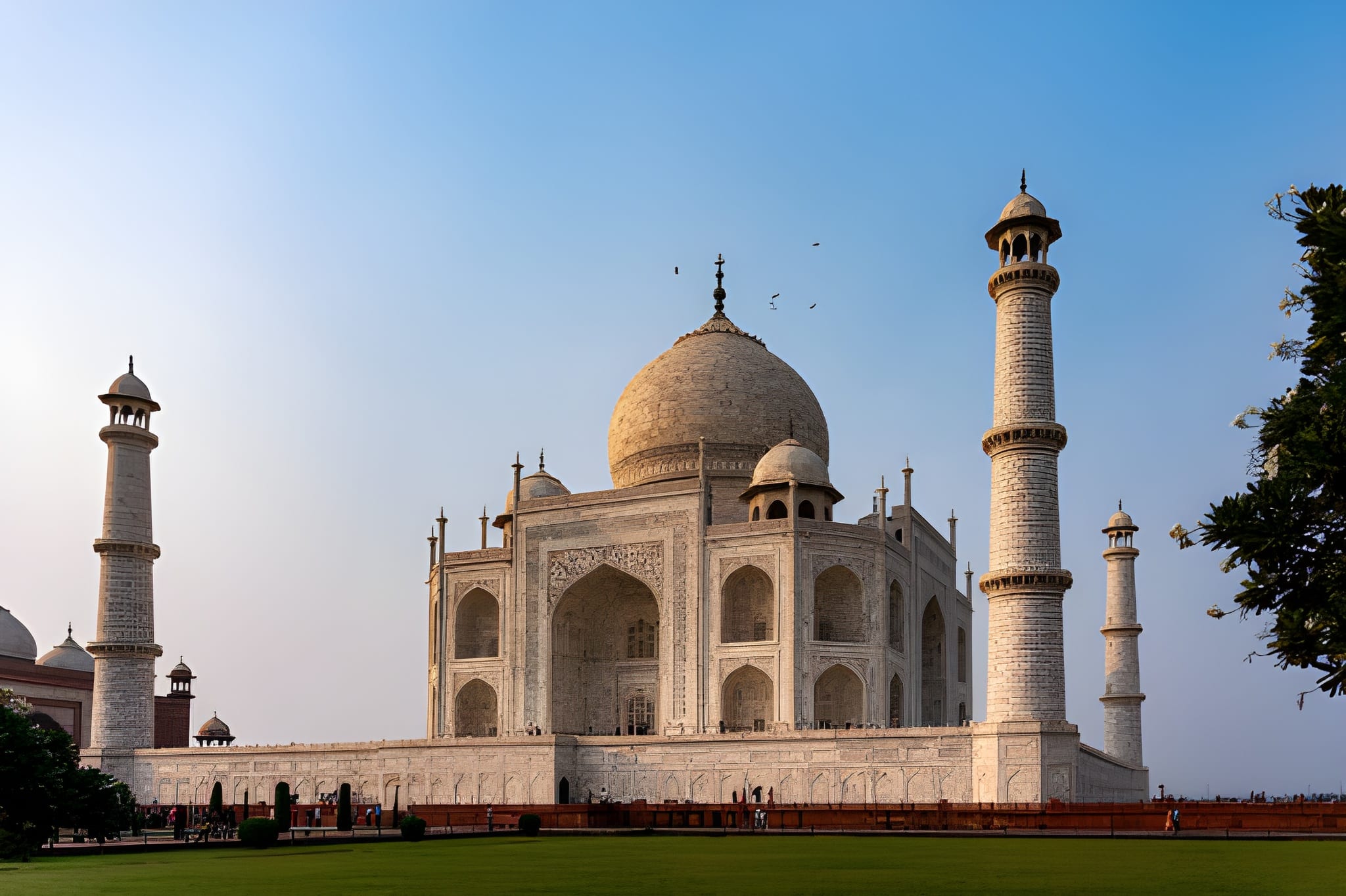
The Taj Mahal stands as one of the most magnificent symbols of love and architectural brilliance in the world. Nestled on the banks of the Yamuna River in Agra, India, this white marble wonder attracts millions of visitors every year. Whether you’re a history enthusiast, a lover of art, or a traveler seeking timeless beauty, the Taj Mahal promises an unforgettable experience.
A Glimpse into History
The Taj Mahal was commissioned in 1631 by the Mughal Emperor Shah Jahan in memory of his beloved wife, Mumtaz Mahal. Construction began in 1632 and took over 20 years to complete, involving thousands of artisans, sculptors, and calligraphers. The result was an architectural masterpiece that perfectly blends Persian, Islamic, and Indian styles.
Every element of the Taj Mahal tells a story. Its majestic dome, graceful minarets, intricate carvings, and inlaid gemstones reflect the artistic genius of the Mughal era. More than just a tomb, the Taj Mahal represents the eternal bond between two souls—a monument where history, art, and emotion unite in perfect harmony.
Architectural Brilliance and Beauty
The Taj Mahal’s beauty lies not only in its design but also in its symmetry and balance. The structure appears to change color depending on the time of day—rosy at sunrise, pearly white in daylight, and golden under moonlight. This mesmerizing effect symbolizes the different moods of love and loss.
The complex also features lush gardens, reflective pools, and red sandstone gateways that frame the marble mausoleum. As you walk through the Charbagh (four-part garden), you’ll feel an overwhelming sense of peace—a reflection of the paradise described in Islamic tradition.
Inside the main chamber, visitors can see the exquisite marble cenotaphs of Shah Jahan and Mumtaz Mahal, inlaid with precious stones forming delicate floral patterns. The craftsmanship is so refined that it continues to astonish modern architects and historians alike.
Essential Travel Tips
If you’re planning to visit the Taj Mahal, here are some helpful tips to make the most of your journey:
-
Best Time to Visit: Early morning or late afternoon offers the best light for photography and a more peaceful atmosphere. The months between October and March are ideal for comfortable weather.
-
Entry Gates: The Taj Mahal has three entry gates—East, West, and South. The East Gate usually has the shortest queues.
-
What to Bring: Carry your ID, water bottle, and camera. Large bags and food items are not allowed inside the premises.
-
Dress Modestly: Respect local customs by wearing comfortable yet modest clothing.
-
Nearby Attractions: Don’t miss the Agra Fort, Mehtab Bagh (for sunset views), and local bazaars for souvenirs and traditional crafts.
Book Your Tickets Easily
To make your visit seamless, book your entry tickets in advance at Ticketstajmahal.com. Our platform offers secure online booking, instant confirmation, and up-to-date information on visiting hours and ticket prices. Skip the long lines and spend more time soaking in the splendor of one of the world’s greatest wonders.
Experience the Magic
The Taj Mahal isn’t just a monument—it’s a journey into history, art, and emotion. Standing before it, you’ll feel the power of love that transcends time and the grandeur of human creativity at its peak. Whether you’re visiting for the first time or returning to relive its magic, the Taj Mahal never fails to inspire awe.
Book your tickets today on Ticketstajmahal.com and let your adventure begin at this timeless symbol of love and beauty.





Comment (0)