


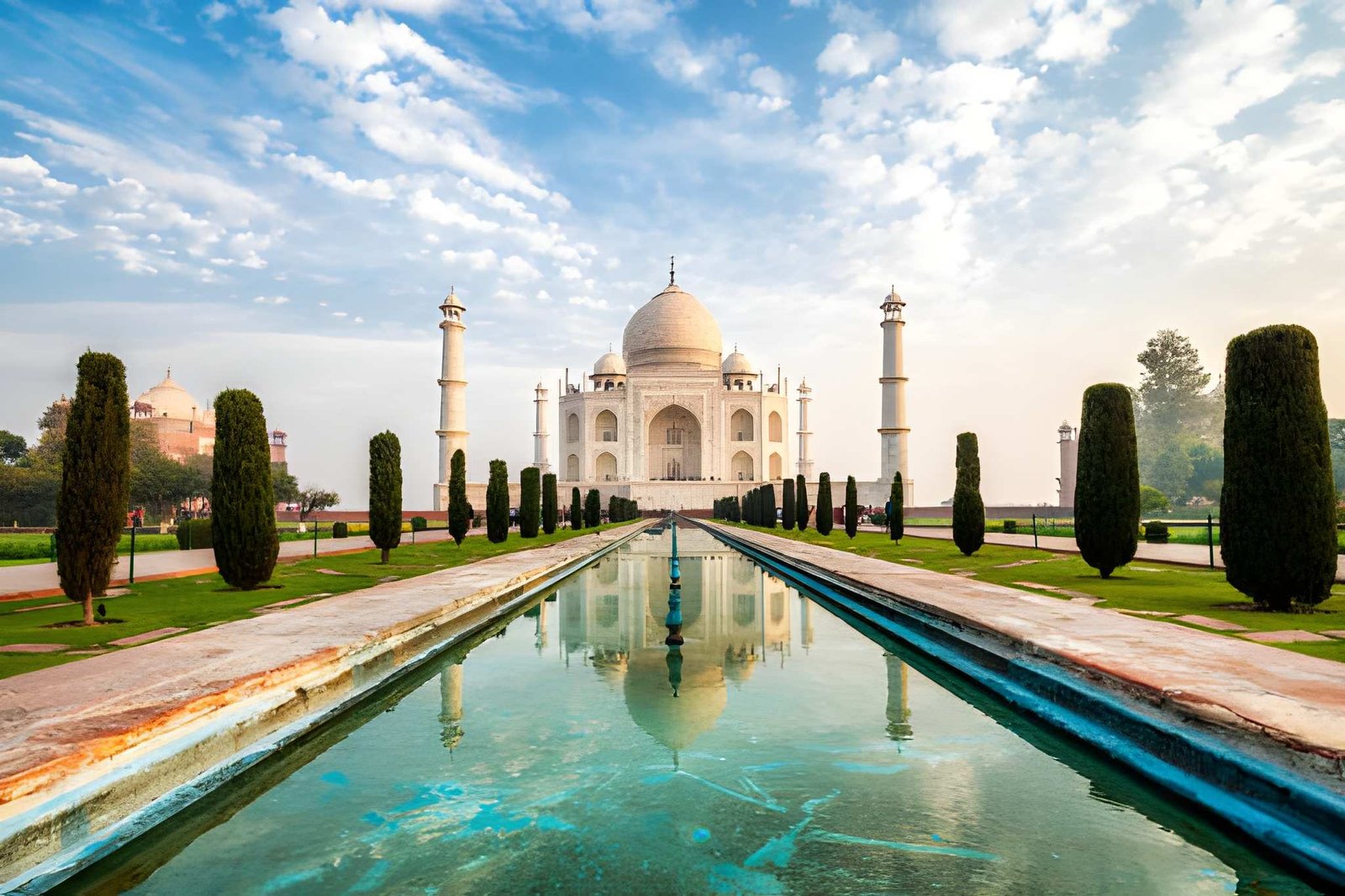
Few monuments in the world capture the depth of human emotion quite like the Taj Mahal. More than a breathtaking architectural wonder, it stands as a powerful reflection of what it means to be human—our love, our ambition, and our desire to leave something lasting behind.
Love That Transcends Time
The Taj Mahal was commissioned in 1631 by Emperor Shah Jahan in memory of his wife Mumtaz Mahal, who died during childbirth.
At its core, the monument is a tribute to love—one so powerful that it inspired the creation of one of the most beautiful structures ever built.
This reveals a fundamental truth about human nature: we seek to preserve love beyond mortality. Whether through art, memory, or legacy, humans have always searched for ways to make love eternal.
The Human Desire for Legacy
The Taj Mahal is not just a symbol of love—it is also a symbol of legacy. Built with the efforts of over 20,000 artisans and workers, it showcases the ambition and resources of an empire at its peak.
Humans are driven by a deep desire to be remembered. From ancient monuments to modern achievements, we continuously strive to create something that outlives us. The Taj Mahal reflects this timeless urge—to leave a mark on history.
Beauty as a Universal Language
With its perfect symmetry, white marble brilliance, and intricate craftsmanship, the Taj Mahal continues to inspire awe in millions of visitors every year.
Its beauty transcends culture, language, and time. This reveals another key aspect of human nature: we are naturally drawn to beauty. It connects us, moves us emotionally, and reminds us of the extraordinary things we are capable of creating.
Grief and Transformation
While the Taj Mahal is often seen as a symbol of love, it is equally a product of grief. Historical accounts describe Shah Jahan’s deep mourning after Mumtaz’s death, which ultimately led to the monument’s creation.
This highlights a powerful truth—humans often transform pain into meaning. Great works of art, architecture, and literature are frequently born from loss, showing our ability to turn suffering into something enduring and beautiful.
A Reflection of Human Complexity
Interestingly, the Taj Mahal is also interpreted in multiple ways. Some view it as a paradise-like vision or even a symbol of divine order and power.
This diversity of interpretation reflects the complexity of human nature. We are not defined by a single emotion or purpose—we are layered, contradictory, and constantly searching for meaning.
Why It Still Matters Today
Centuries later, the Taj Mahal continues to attract millions of visitors from around the world.
It reminds us that while civilizations rise and fall, human emotions—love, grief, ambition—remain constant.
If you want to experience this extraordinary symbol of human nature in person, plan your visit today at https://ticketstajmahal.com and discover its timeless beauty for yourself.
In the end, the Taj Mahal is more than a monument—it is a mirror. It reflects who we are, what we value, and what we hope to leave behind.





Comment (0)