


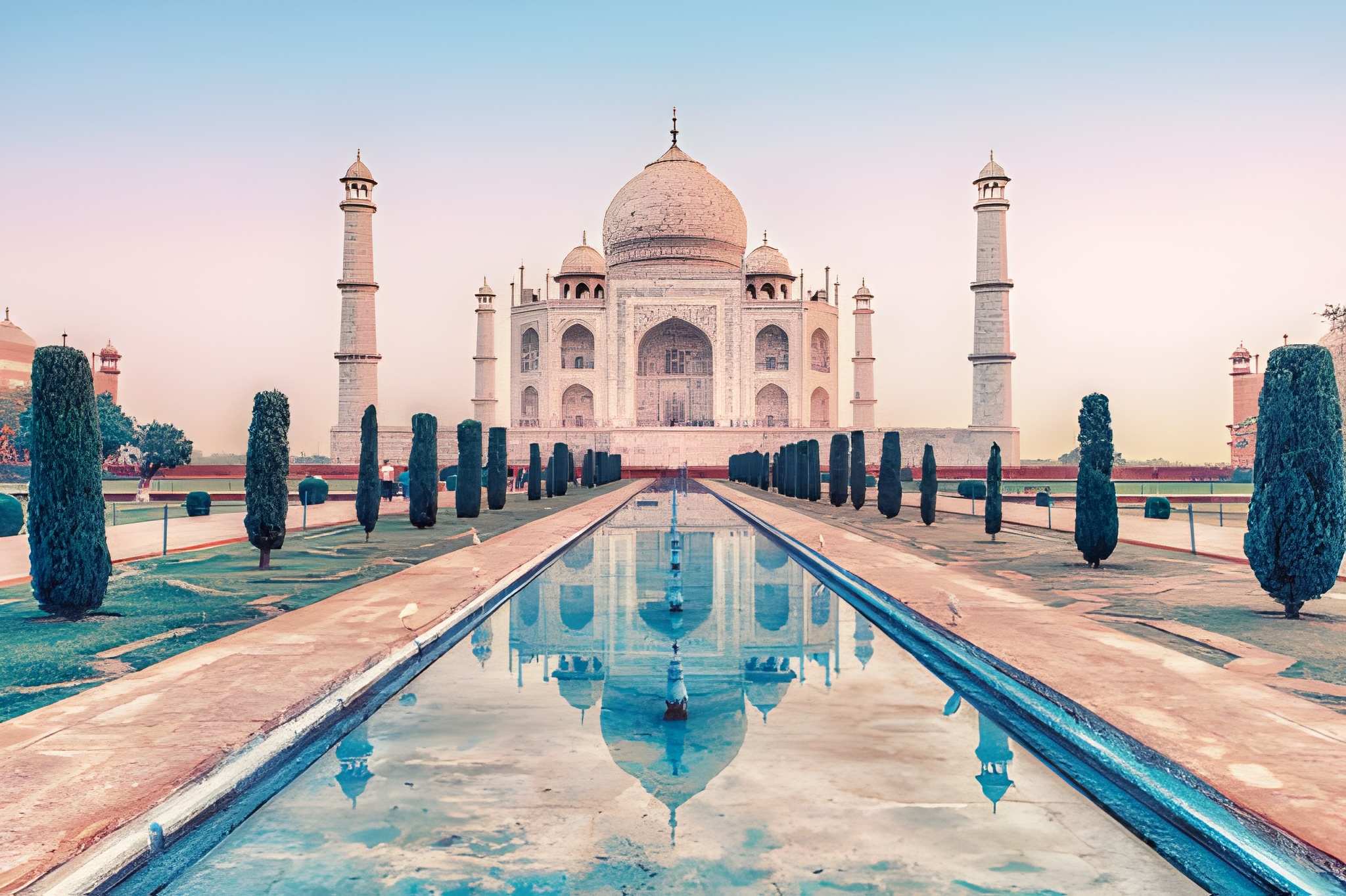
The Taj Mahal has long been celebrated as the ultimate symbol of love—a monument where marble meets poetry and history meets devotion. Yet beyond its gleaming façade and perfect symmetry lies a world of little-known stories, architectural brilliance, and whispered secrets that make this wonder even more extraordinary.
A Love Story Etched in Stone—But Not Completely Told
Most visitors know that Emperor Shah Jahan built the Taj Mahal in memory of his beloved wife Mumtaz Mahal. What is less known is the intimate tenderness behind the gesture. Historical accounts suggest that Mumtaz was his closest confidante, accompanying him even on military campaigns. Her passing devastated him so profoundly that the emperor retreated from the world for months. The Taj Mahal became his promise carved into eternity—a reminder that love, even in its silence, can echo across centuries.
The Changing Colors of an Eternal Monument
One of the Taj Mahal’s most enchanting secrets is how it changes colors throughout the day. At dawn, the mausoleum glows soft pink; by afternoon, it becomes crisp white; and under the moonlight, it shines an ethereal blue. This isn’t just romantic folklore—Mughal architects engineered the structure using semi-translucent Makrana marble, allowing light to dance across its surface. Every visit is unique because the monument itself is alive with the sky.
A Symphony of Precision
The architecture of the Taj Mahal is filled with hidden genius. Its minarets, for instance, are tilted slightly outward. While this appears aesthetically pleasing, the true purpose is clever engineering—if an earthquake strikes, the minarets would fall away from the main mausoleum, preserving the central tomb.
Even more astonishing is the acoustic design inside the central chamber. A single soft whisper can echo multiple times, creating a spiritual resonance that feels almost mystical. Mughal architects intended these echoes as a symbolic offering—every sound inside the tomb would be amplified toward the heavens.
Secrets in the Calligraphy
The Quranic verses adorning the entry arch hold a subtle illusion. Although the lettering appears uniform from top to bottom, the size of the characters increases gradually higher up. This brilliant technique creates a balanced appearance from a ground-level view. Imagine doing all this centuries before modern tools existed—it’s a testament to the precision of artisans whose names history never recorded.
Gardens That Reflect Paradise
The lush charbagh gardens leading to the Taj Mahal aren’t merely ornamental. They represent the Islamic vision of paradise—four rivers flowing from a central source. The long reflecting pool further enhances the symbolism by mirroring the mausoleum, giving visitors the sense of stepping between worlds: the earthly and the divine.
Unwritten Legends
Whispers persist of hidden chambers, undiscovered treasures, and architectural mysteries buried within the Taj Mahal’s depths. While many remain unverified, they add an irresistible aura to the monument—proof that even after centuries, the Taj Mahal still holds secrets that spark curiosity and wonder.
Experience the Magic Yourself
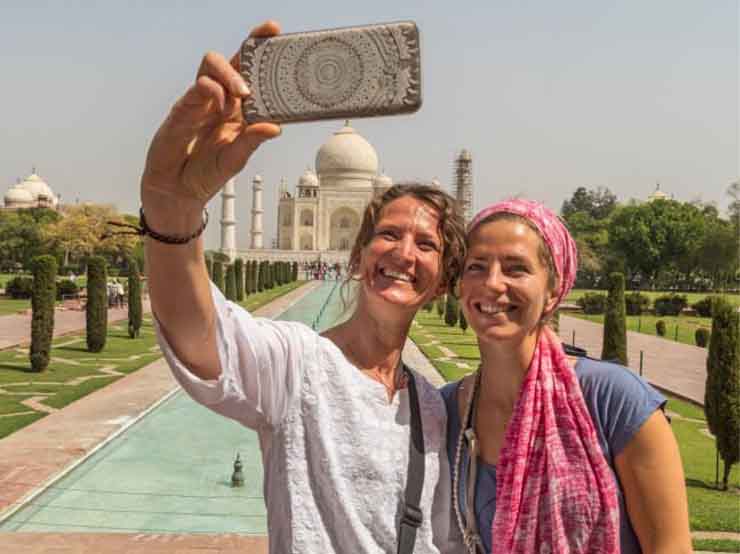
Reading about the Taj Mahal is captivating, but witnessing it in person is transformational. The gentle morning mist, the shimmer of moonlit marble, and the quiet hush of history create an experience you’ll carry forever.





Comment (0)