


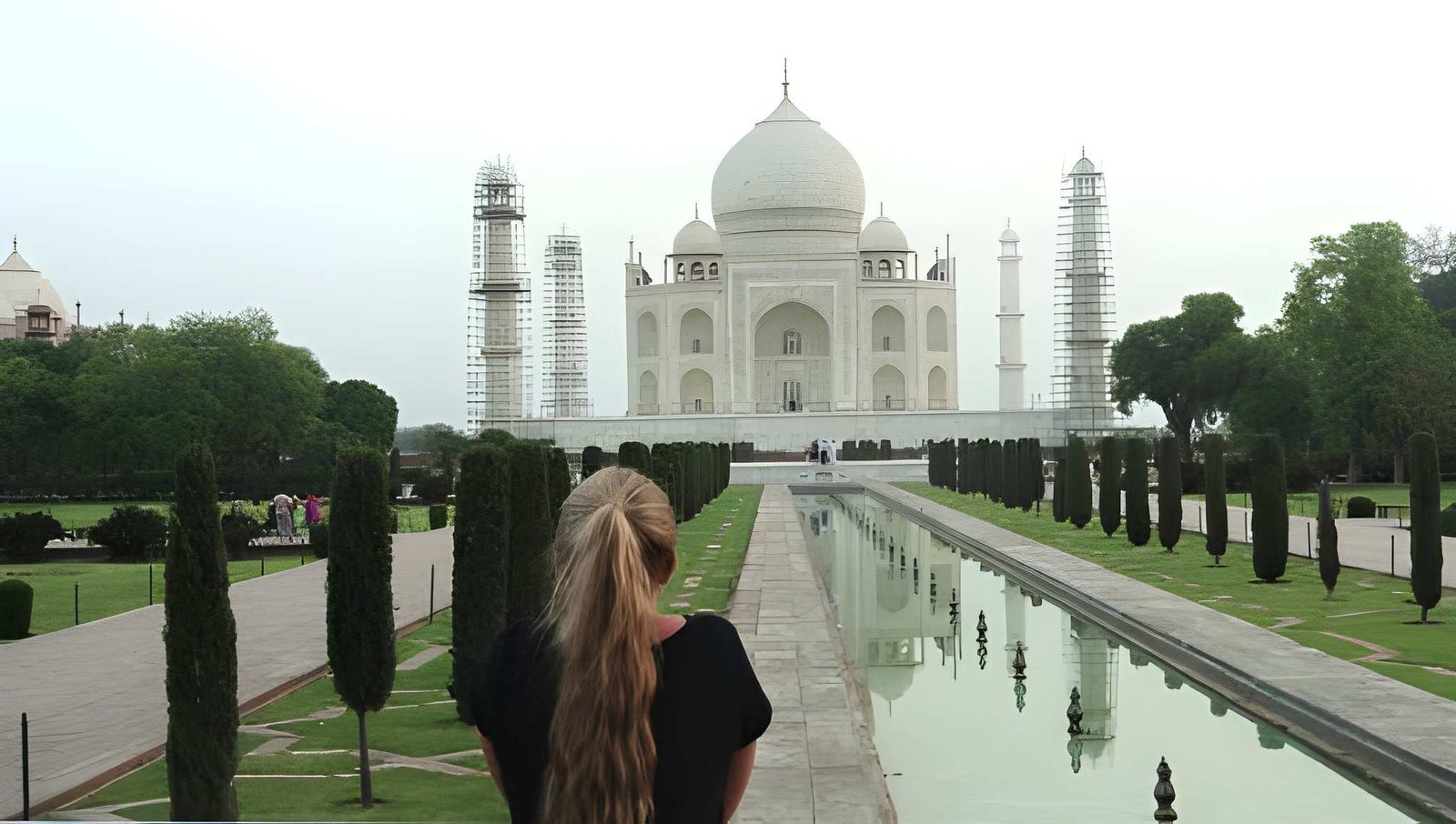
The Taj Mahal is one of the most photographed monuments in the world, yet many of its most fascinating details go unnoticed. Beyond its iconic white marble façade lies a masterpiece of design, symbolism, and craftsmanship that rewards those who look closer.
Perfect Symmetry… Almost
The Taj Mahal is famous for its near-perfect symmetry. From the gardens to the reflecting pools, everything is meticulously aligned. However, there’s one subtle exception: the cenotaph of Mumtaz Mahal and Emperor Shah Jahan inside the mausoleum.
While the entire complex is symmetrical, Shah Jahan’s tomb was added later and slightly disrupts the balance. This small imperfection adds a human touch to an otherwise flawless structure.
The Minarets That Lean Outward
At first glance, the four minarets surrounding the Taj Mahal appear perfectly straight. But if you look carefully, you’ll notice they lean slightly outward.
This wasn’t a mistake—it was intentional. In the event of an earthquake, the minarets were designed to fall away from the main tomb, protecting the central structure. It’s an early example of advanced engineering hidden in plain sight.
Optical Illusions That Trick the Eye
The Taj Mahal plays clever tricks on your perception. As you walk through the main gate, the monument appears to change size depending on your distance.
- It looks closer and larger than it really is when viewed from the entrance
- It seems smaller as you approach it
This illusion was carefully planned to create a dramatic visual experience for visitors entering the complex.
Intricate Inlay Work You Might Miss
Most visitors admire the Taj Mahal from afar, but its true artistry lies in the details. The marble walls are decorated with pietra dura—a technique where semi-precious stones are inlaid into marble to form intricate floral patterns.
Look closely and you’ll spot stones like jade, lapis lazuli, and turquoise forming delicate designs that have lasted for centuries.
Calligraphy That Stays Perfectly Proportioned
The Quranic calligraphy adorning the Taj Mahal is another hidden marvel. At first glance, all the script appears uniform in size.
In reality, the letters increase in size as they go higher up the walls. This clever adjustment ensures that from the ground, everything looks perfectly proportioned—a brilliant use of perspective.
The Changing Colors of Marble
The Taj Mahal is not always white. Depending on the time of day, it shifts in color:
- Pinkish hues at sunrise
- Bright white in daylight
- Golden tones at sunset
- Soft blue glow under moonlight
This transformation adds to its mystical charm and makes every visit unique.
Hidden Gardens and Symbolism
The gardens of the Taj Mahal are more than just beautiful landscaping. They are designed in the Persian charbagh style, representing paradise as described in Islamic tradition.
The layout symbolizes eternity, balance, and divine harmony—turning the entire complex into a spiritual experience, not just an architectural one.
Plan Your Visit the Right Way
To truly appreciate these hidden details, you need time, the right entry access, and a well-planned visit.
Skip the hassle and make the most of your experience by booking your tickets in advance:
👉 https://ticketstajmahal.com
A little preparation ensures you don’t just see the Taj Mahal—you truly experience it.





Comment (0)