

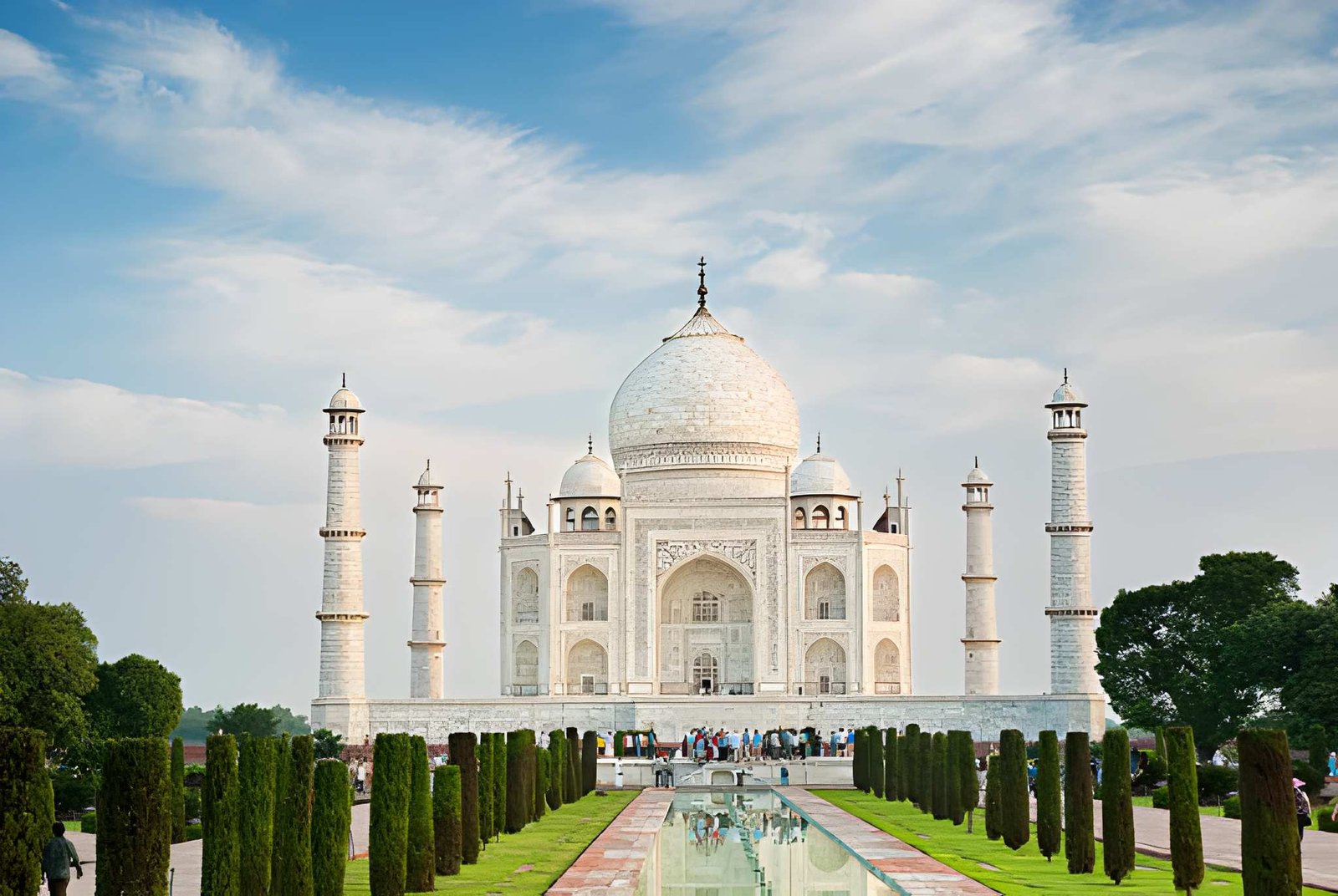
The Taj Mahal has always been one of the world’s most iconic landmarks, but in the age of social media, the way we experience it has dramatically evolved. Platforms like Instagram, YouTube, and TikTok have reshaped not only how people discover this wonder but also how they visit, photograph, and remember it.
The Rise of the “Instagram-Worthy” Taj Mahal
Today, the Taj Mahal is officially one of the most photographed and shared landmarks in the world, with millions of posts and hashtags across platforms.
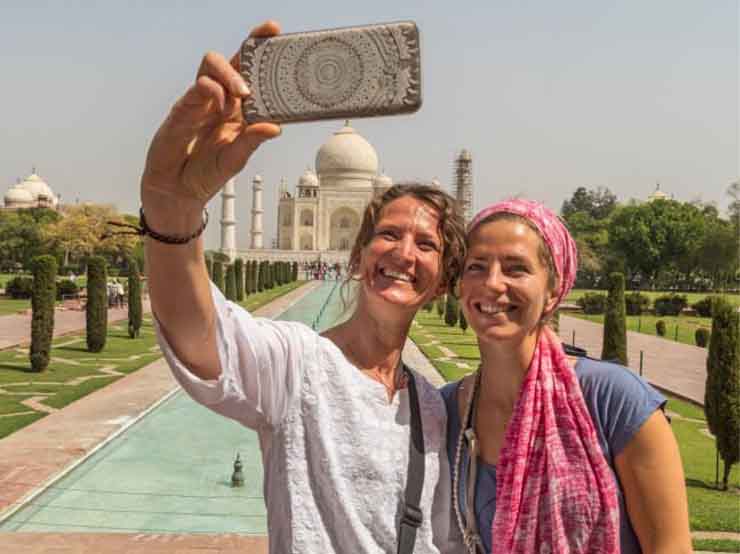
Social media has turned the monument into a global visual icon. Travelers now arrive with specific shots in mind—the famous reflection in the pool, the “bench pose,” or sunrise silhouettes. The focus has shifted from simply visiting to capturing the perfect moment.
Travel Decisions Now Start Online
Before social media, travelers relied on guidebooks and travel agencies. Now, most people choose to visit the Taj Mahal after seeing it online.
Platforms inspire destinations, shape itineraries, and even influence booking behavior. Social media acts as a powerful decision-making tool, helping travelers discover places, compare experiences, and plan trips more efficiently.
This shift has made visiting the Taj Mahal more accessible than ever—but also more competitive, with everyone chasing the same iconic experience.
Expectations vs Reality
While social media showcases a dreamy version of the Taj Mahal, reality can be quite different.
Online images often show empty spaces and perfect lighting, but in reality, the site is one of the most visited monuments in the world, attracting massive crowds daily.
Many travelers are surprised to find bustling queues and busy photo spots. As one travel insight highlights, those “empty” shots usually require perfect timing or clever angles.
Understanding this gap helps visitors appreciate the monument beyond just the photos.
The Power of Influencers and Viral Content
Travel influencers and viral videos have a huge impact on how the Taj Mahal is perceived globally. A single viral post can boost interest—or spark debate.
For example, videos highlighting cleanliness or environmental issues around the Taj Mahal have gone viral, influencing public perception and even discussions about tourism management.
This shows how social media doesn’t just promote destinations—it shapes their global image.
A More Planned and Strategic Visit
Because of social media, visitors are now more strategic. People plan visits during sunrise for better lighting, avoid peak hours, and research the best photo spots in advance.
This has improved travel experiences overall, but it also means that certain times and locations within the complex can become extremely crowded.
Experience Beyond the Camera
Despite all the digital influence, the true magic of the Taj Mahal lies beyond the lens. No photo or video can fully capture its scale, beauty, and emotional impact.
Social media may inspire the journey, but the real experience happens when you stand before it in person.
Plan Your Visit the Smart Way
If social media has inspired you to visit the Taj Mahal, make sure your trip is smooth and stress-free. Skip long lines and plan ahead with trusted booking options.
👉 Book your tickets easily at: https://ticketstajmahal.com
Make your visit not just Instagram-worthy—but truly unforgettable.





Comment (0)