


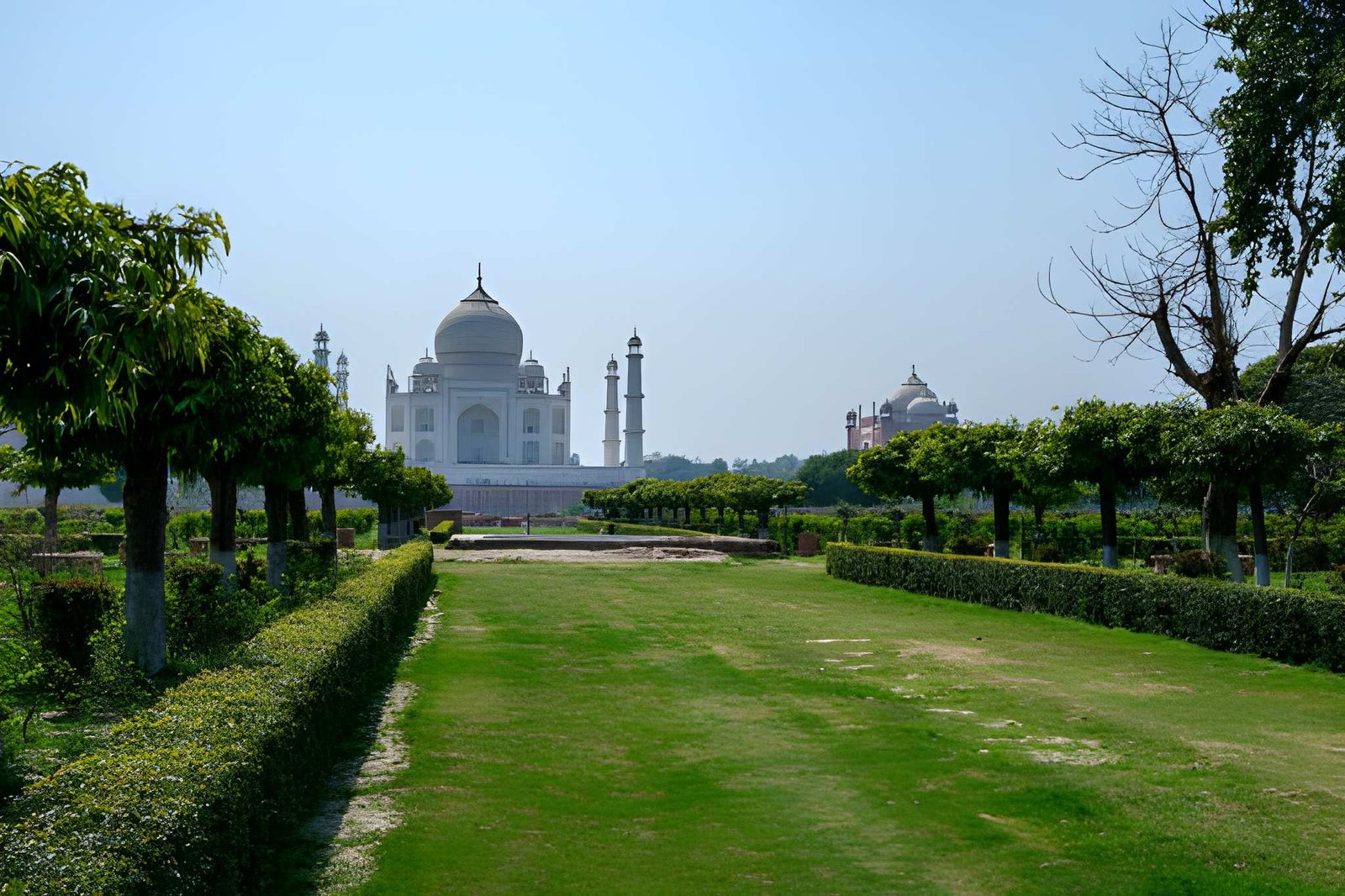
The Taj Mahal is more than a breathtaking monument—it is a global cultural icon. For centuries, it has inspired writers, artists, and storytellers, becoming a timeless symbol of love, beauty, and artistic excellence.
A Symbol of Love in Literature
In literature, the Taj Mahal is often described as a “love story in stone.” Built by Emperor Shah Jahan in memory of Mumtaz Mahal, its emotional origin has deeply influenced poets and novelists across cultures.
Urdu poetry frequently references the monument as the ultimate expression of eternal love, while modern novels reimagine its story through historical fiction and romance. Characters like Mumtaz Mahal herself appear in various literary works, reflecting the enduring fascination with the human story behind the monument.
Writers are drawn not only to its romantic narrative but also to its symbolism—paradise, devotion, and even divine beauty.
Artistic Inspiration Across Centuries
The Taj Mahal has been a favorite subject in visual art for hundreds of years. From Mughal miniatures to colonial-era paintings, artists have captured its symmetry, glowing marble, and serene surroundings.
In the 18th and 19th centuries, European and Indian artists alike created detailed works featuring the monument. These paintings helped introduce the Taj Mahal to Western audiences and shaped global perceptions of India’s cultural richness.
Even today, contemporary artists reinterpret the Taj Mahal in new ways—through photography, digital art, and installations—proving that its aesthetic appeal transcends time and medium.
The Taj Mahal in Popular Culture
The Taj Mahal’s universal symbolism has made it a staple in films, music, and global media. It frequently appears as a backdrop for romantic scenes, representing love and emotional depth.
Beyond cinema, it is featured in documentaries, travel shows, and even advertising, reinforcing its identity as one of the most recognizable landmarks in the world.
Its influence also extends into architecture and design, inspiring buildings and motifs across the globe. The monument’s elegance and harmony continue to shape creative expression far beyond India.
A Living Cultural Icon
What makes the Taj Mahal truly unique is its ability to evolve in meaning. While it began as a royal mausoleum, it has become a universal symbol—of love, artistry, and human creativity.
Whether through poetry, paintings, or films, the Taj Mahal continues to inspire new generations. It stands not only as a historical masterpiece but also as a living part of global culture.
Experience the Inspiration Yourself
No artwork or story can fully capture the beauty of the Taj Mahal in person. To truly understand its cultural impact, you have to experience it firsthand.
Plan your visit today and discover why this iconic monument continues to inspire the world. Book your tickets now at https://ticketstajmahal.com





Comment (0)