


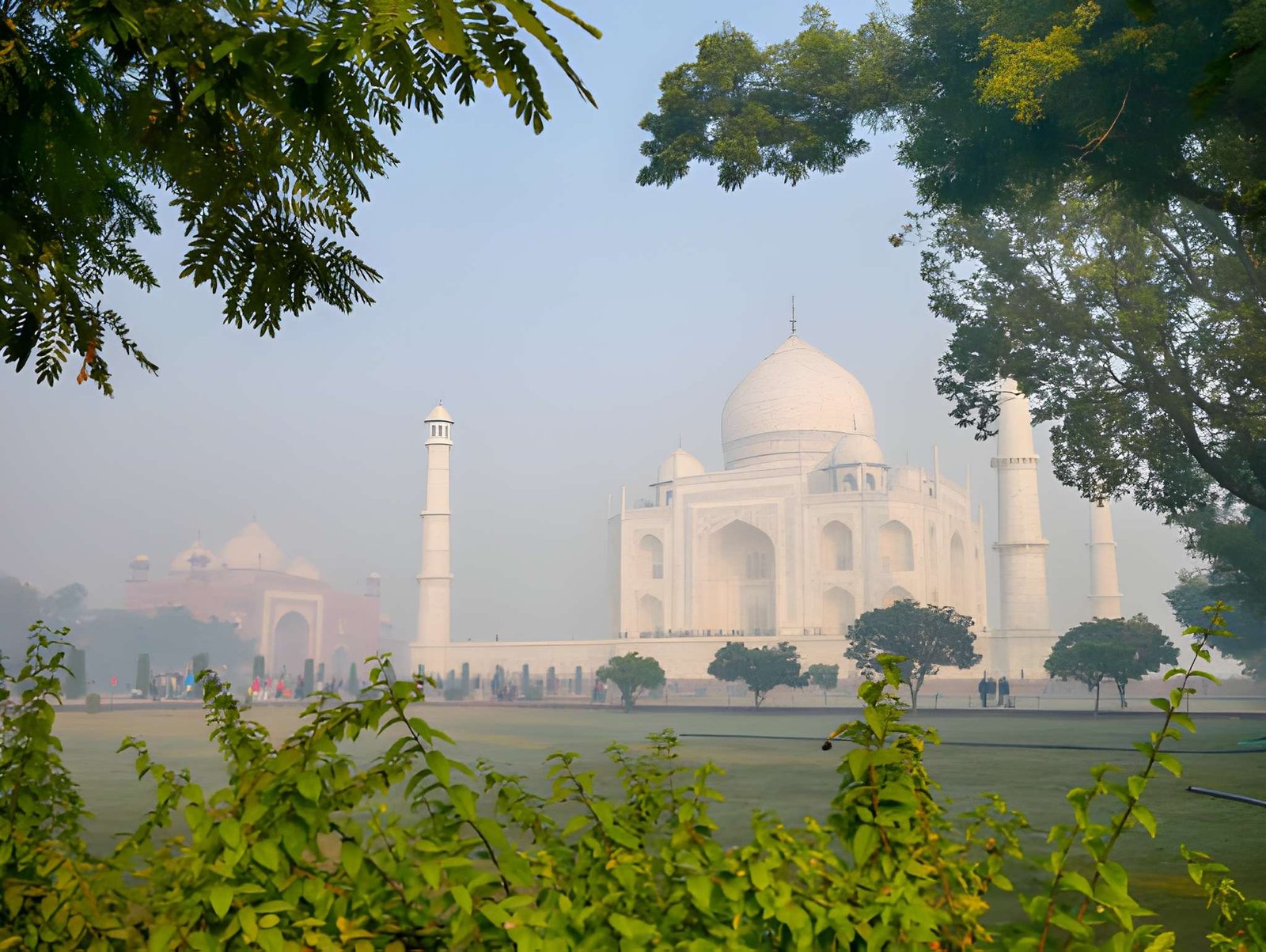
The Taj Mahal stands as one of the most extraordinary architectural achievements in history, built in the 17th century using traditional craftsmanship and remarkable engineering. Constructed with white marble, intricate stone inlays, and perfect symmetry, it took over 20 years and thousands of artisans to complete.
But what if this iconic monument were designed today? With modern technology, the Taj Mahal could be reimagined in fascinating ways—while still preserving its timeless beauty.
Digital Design & AI Precision
If built today, architects would rely heavily on AI-powered design tools and 3D modeling software. Instead of hand-drawn plans, the entire structure could be digitally simulated to perfection before construction begins.
Modern parametric design could enhance the Taj Mahal’s famous symmetry, optimizing every curve and proportion with mathematical precision. While the original relied on skilled human planning, today’s tools could reduce errors and improve efficiency without compromising artistry.
Advanced Materials & Engineering
The original Taj Mahal used Makrana marble and semi-precious stones carefully inlaid by hand—a process requiring extreme precision and time.
With modern technology, new materials could transform construction:
- Self-cleaning marble coatings to maintain its pristine white glow
- Carbon-fiber reinforcements to strengthen domes and minarets
- 3D-printed stone components to replicate intricate carvings faster
Despite these advancements, the essence of marble craftsmanship could still be preserved—possibly blending machine precision with artisan finishing.
Smart Construction Techniques
In the 1600s, builders used pulleys, ramps, and manual labor to transport massive stones.
Today, construction would look very different:
- Robotic cranes and automated assembly systems for faster building
- Drones for surveying and inspection
- Prefabricated modules assembled on-site
What took 20+ years could potentially be completed in a fraction of the time—without sacrificing structural integrity.
Sustainability & Eco-Friendly Design
A modern Taj Mahal would likely prioritize sustainability. Built on the banks of a river, today’s version would incorporate:
- Solar panels subtly integrated into the design
- Water recycling systems for gardens and fountains
- Climate-responsive architecture to reduce environmental impact
This would ensure the monument remains not only beautiful but also environmentally responsible.
Interactive Visitor Experience
Technology would also transform how visitors experience the monument:
- Augmented Reality (AR) tours showing its history and construction
- Smart lighting systems enhancing its beauty at night
- Digital ticketing and crowd management systems for smoother visits
Instead of just admiring the structure, visitors could engage with its story in immersive ways.
Preserving Tradition in a Modern World
Even with all these innovations, one thing would remain unchanged: the Taj Mahal’s symbolism of love and artistic excellence. Its intricate inlay work—known as pietra dura—would still inspire admiration, whether handcrafted or digitally assisted.
Modern technology would enhance the process, but the soul of the monument would still lie in its design, symmetry, and meaning.
Plan Your Visit
While imagining a futuristic Taj Mahal is exciting, nothing compares to experiencing the real masterpiece in person.
Book your tickets easily and explore this timeless wonder today:
👉 https://ticketstajmahal.com
Discover history, beauty, and innovation—all in one unforgettable journey.





Comment (0)