


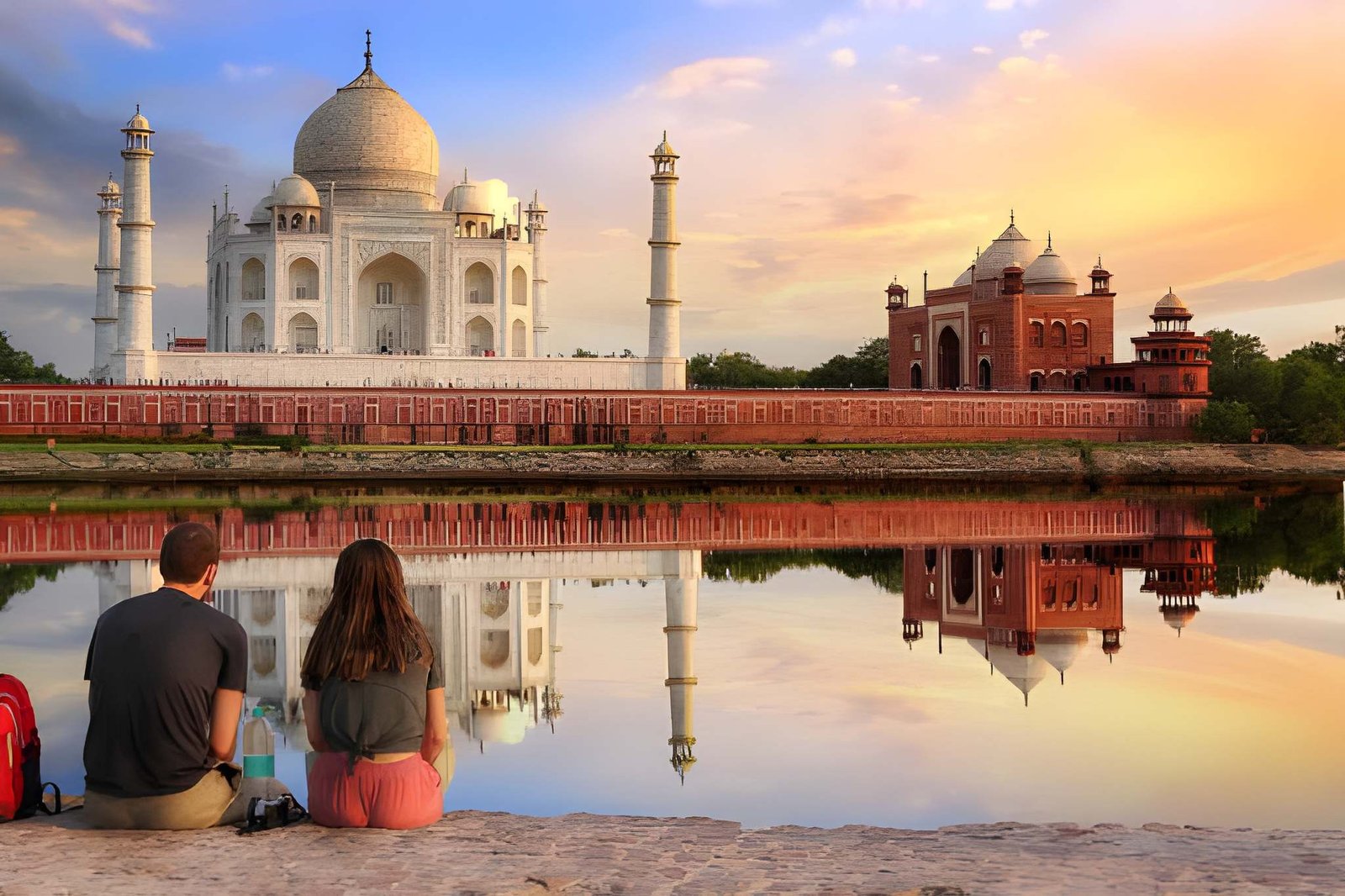
The Taj Mahal is one of the most iconic monuments in the world, admired for its beauty, history, and symbolism of love. Indeed, built in the 17th century by Mughal emperor Shah Jahan in memory of his wife Mumtaz Mahal, it continues to attract millions of visitors each year. However, beyond its breathtaking architecture, the way different languages describe the Taj Mahal reveals fascinating cultural perspectives.
The Meaning Behind the Name
To begin with, the name “Taj Mahal” comes from Persian and Urdu roots. Here, “taj” means crown and “mahal”means palace. As a result, the phrase is often interpreted as “Crown Palace,” reflecting its royal significance. Moreover, in Persian-influenced languages, the monument is sometimes described as a radiant or illuminated tomb. Thus, the focus shifts from its physical form to its poetic and spiritual meaning.
English: A Symbol of Eternal Love
In English, the Taj Mahal is most commonly described as a “monument of love” or a “mausoleum.” In other words, it is seen as a timeless tribute to devotion. Furthermore, English descriptions often highlight romance and emotional depth. Consequently, it is frequently regarded as one of the most beautiful expressions of love ever created.
Hindi and Urdu: Emotion and Heritage
Similarly, in Hindi and Urdu, the Taj Mahal carries deep emotional and cultural significance. It is often called “prem ka prateek” (symbol of love) or “ishq ki nishani” (sign of love). In addition, these expressions emphasize the story behind the monument. Therefore, the Taj Mahal is not just a building, but also a powerful narrative rooted in South Asian heritage.
Arabic: Spiritual and Artistic Expression
On the other hand, Arabic descriptions tend to focus on spiritual and artistic elements. Because the monument features Quranic calligraphy and Islamic design, it is sometimes referred to as a sacred or heavenly structure. As a result, the Taj Mahal is viewed not only as architecture but also as an artistic reflection of faith.
European Languages: Beauty and Wonder
Meanwhile, in European languages such as French, Spanish, and Italian, the Taj Mahal is often described as a “wonder of the world” or a “masterpiece.” For instance, in Spanish it is called “una maravilla del mundo,” while in French it is known as “un chef-d’œuvre architectural.” Consequently, these descriptions emphasize its global reputation and artistic brilliance.
A Universal Language of Beauty
Overall, despite differences in wording, one theme remains consistent across languages: admiration. In fact, whether described as a palace, a tomb, or a symbol of love, the Taj Mahal transcends linguistic boundaries. Therefore, its beauty and meaning can be appreciated by people from all cultures.
Experience It Yourself
Ultimately, reading about the Taj Mahal in different languages is inspiring. However, nothing compares to seeing it in person. So, from sunrise reflections to moonlit views, every moment becomes unforgettable.
Plan your visit today and explore this wonder up close. Finally, book your tickets easily at:
👉 https://ticketstajmahal.com






Comment (0)