


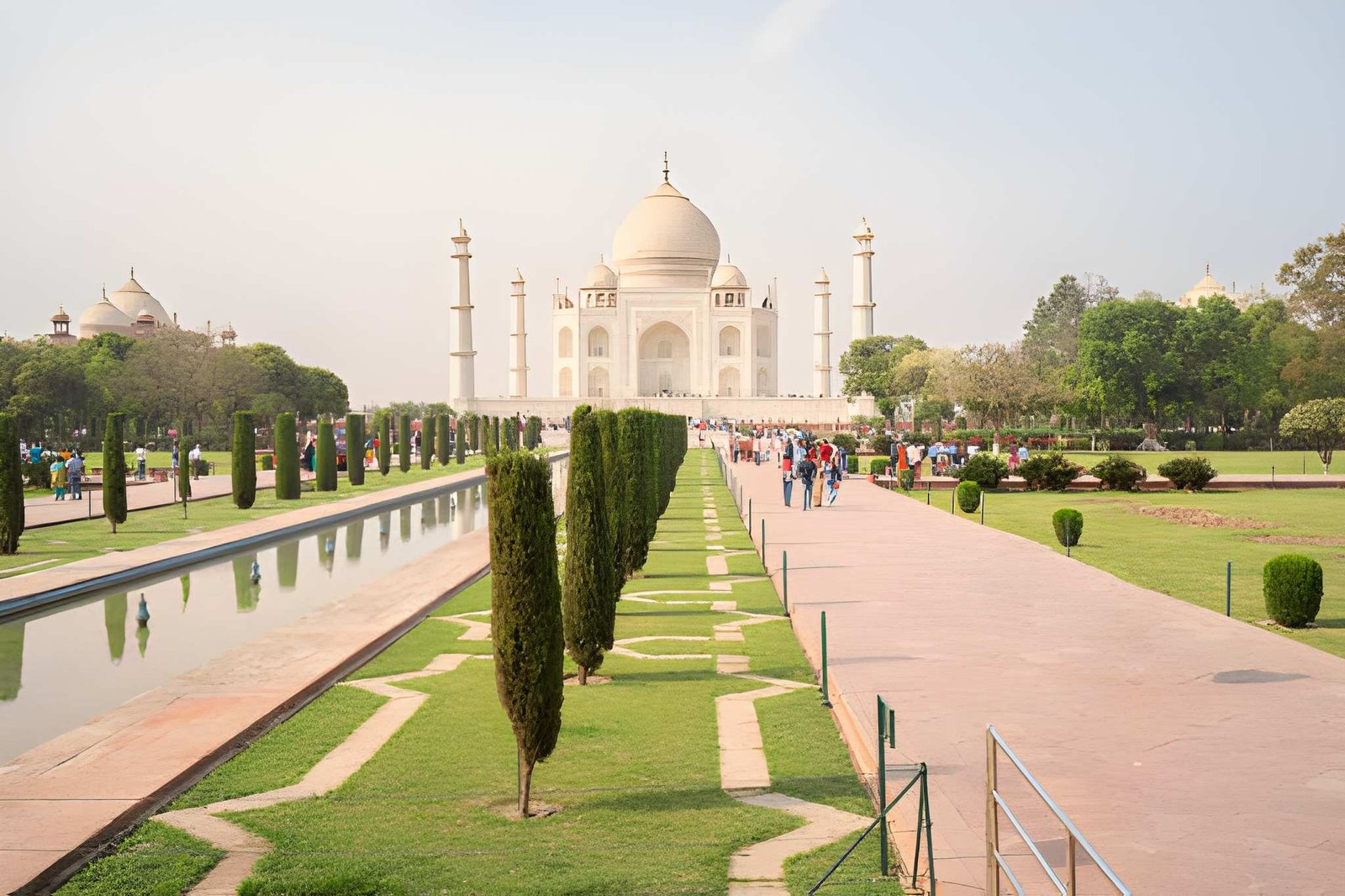
The Taj Mahal stands as more than a monument—it represents love, artistry, and cultural expression. Although it rises in India as a masterpiece of Mughal architecture, people around the world admire and reinterpret its beauty in unique ways. Each culture brings its own perspective, giving the Taj Mahal a truly global identity.
A Symbol of Eternal Love
Many cultures view the Taj Mahal as the ultimate expression of love. Emperor Shah Jahan built it in memory of his wife Mumtaz Mahal, creating a story that resonates across borders. In Western cultures, people often compare it to romantic landmarks like the Eiffel Tower. Writers and filmmakers frequently use the Taj Mahal as a setting for timeless love stories, strengthening its emotional meaning.
Artistic Interpretations Across the World
Artists from different regions portray the Taj Mahal in distinct styles. In India, painters highlight its intricate details and perfect symmetry through traditional miniature art. European artists focus on its soft glow, capturing light, shadow, and reflection. Modern digital creators reimagine the monument in surreal and creative settings.
Photographers also find endless inspiration in its changing colors—soft pink at sunrise, bright white during the day, and golden at sunset. These shifts allow each artist to express a personal and cultural viewpoint.
Influence on Architecture and Design
The Taj Mahal continues to inspire architecture worldwide. Designers incorporate its domes, arches, and balanced layouts into buildings across the Middle East, Europe, and Asia. They often blend these elements with local styles, creating unique fusions of design.
Interior designers also draw ideas from its marble textures, floral patterns, and detailed inlay work. These features appear in modern homes and public spaces, showing how the Taj Mahal still shapes global design trends.
Cultural and Spiritual Connections
The Taj Mahal holds deep meaning beyond its physical beauty. In India, it reflects harmony and balance. In other cultures, people admire it as a symbol of peace and human creativity. Visitors often feel a sense of calm and reflection when they see it in person.
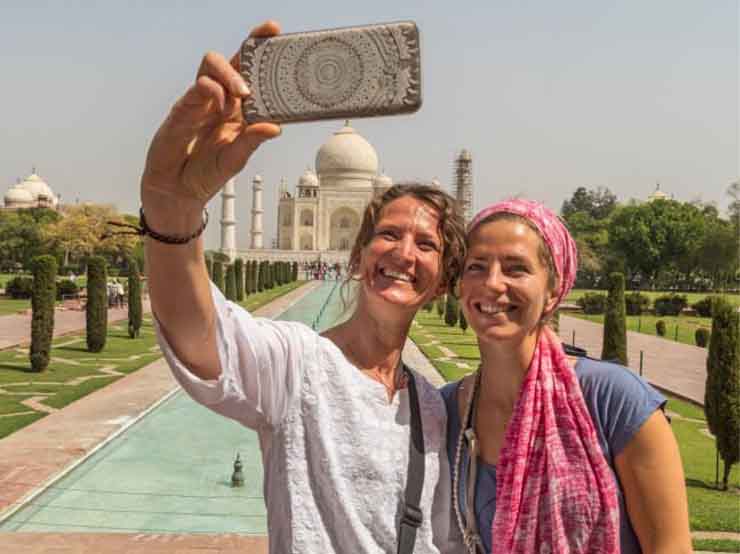
For many travelers, the Taj Mahal remains a must-visit destination. It offers a powerful blend of history, emotion, and artistic brilliance that connects with people from every background.
Experience the Beauty Yourself
Every culture may interpret the Taj Mahal differently, but its impact remains universal. Photos cannot fully capture its presence—you need to see it up close.
Plan your visit today and experience this iconic wonder firsthand. Book your tickets through our website: https://ticketstajmahal.com and make your journey unforgettable.





Comment (0)