


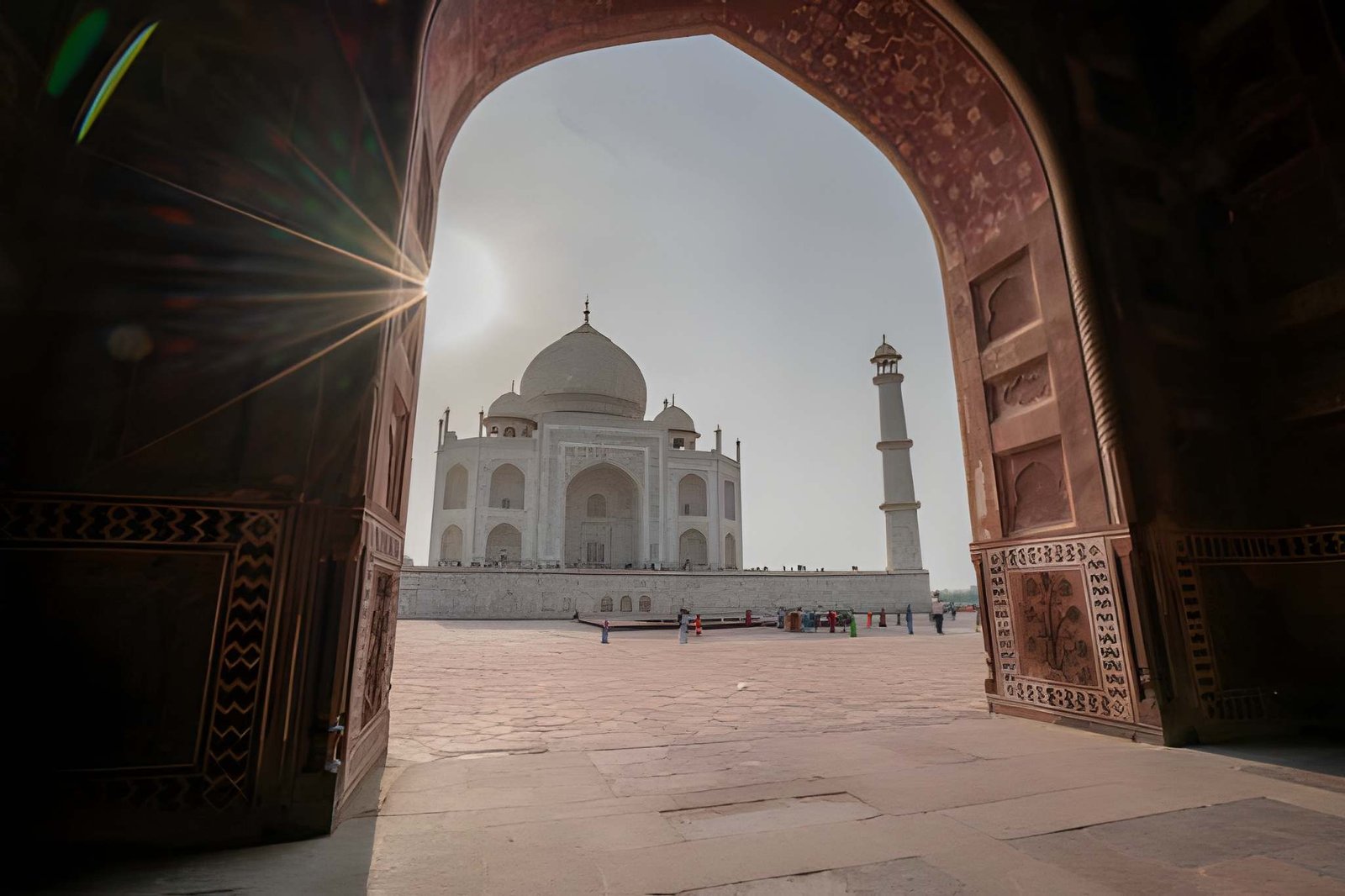
The Taj Mahal stands as one of the world’s most admired monuments, yet people describe it differently across cultures. Each perspective highlights unique meanings shaped by history, emotion, and tradition.
A Universal Symbol of Love
In many Western cultures, people view the Taj Mahal as the ultimate symbol of eternal love. Emperor Shah Jahan built it in memory of his wife Mumtaz Mahal, and this story strongly influences how visitors interpret the monument.
As a result, travel writers and global media often emphasize romance and devotion. Because of this narrative, many couples choose it as a dream destination for honeymoons and special moments.
An Architectural Masterpiece in South Asia
In contrast, people in India and across South Asia often focus on its architectural brilliance. They admire how artisans combined Indian, Persian, and Islamic styles into one harmonious design.
Moreover, historians highlight the monument’s symmetry, intricate marble inlay work, and engineering precision. Therefore, many locals see the Taj Mahal not only as a romantic symbol but also as a proud representation of cultural heritage.
A Spiritual and Cultural Expression
At the same time, many Islamic and Middle Eastern perspectives emphasize its spiritual meaning. The design reflects concepts of paradise, which appear in the gardens, calligraphy, and overall layout.
For instance, the structure symbolizes a connection between earthly life and the afterlife. Because of this, visitors who share this cultural background often experience the Taj Mahal as a place of reflection and spiritual beauty.
A Global Icon with Evolving Meaning
Today, the Taj Mahal also carries modern cultural and political interpretations. On one hand, many people celebrate it as a symbol of India’s diverse identity. On the other hand, some debates continue about its historical and cultural significance.
Nevertheless, these differing viewpoints show how cultural context shapes the way people describe and understand global landmarks.
How Travelers Experience It Today
Ultimately, most travelers combine these perspectives during their visit. They admire its beauty, connect with its story, and appreciate its deeper meanings all at once.
In addition, each visitor brings personal expectations, which makes every experience unique and memorable.
Plan Your Visit
Now that you understand these cultural perspectives, you can experience the Taj Mahal in your own way.
👉 Book your visit today at https://ticketstajmahal.com and discover its beauty through your own lens.





Comment (0)