


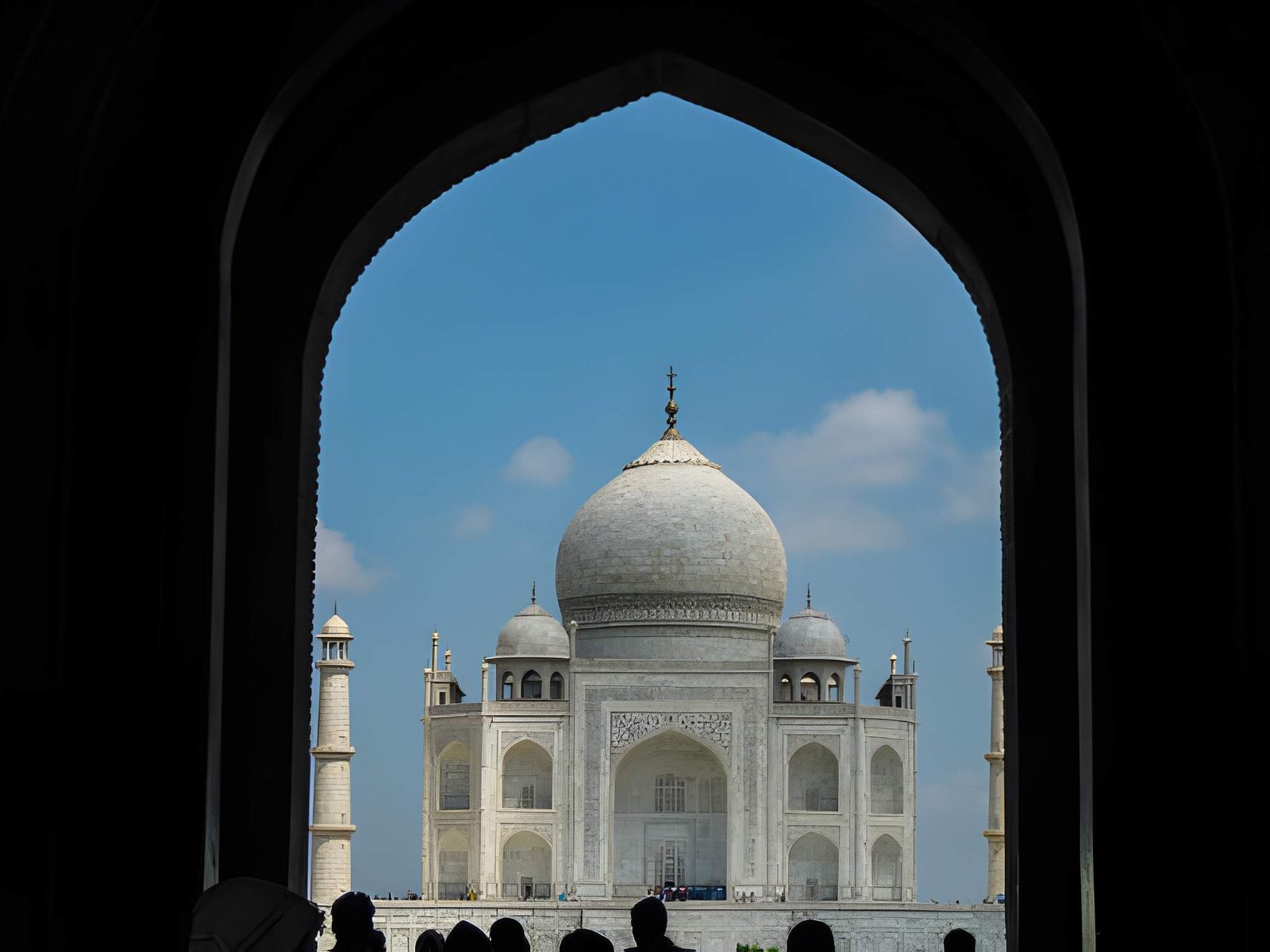
The Taj Mahal is stunning all year, but certain seasons and cultural events make the experience even more magical. From colorful festivals to romantic moonlit views, planning your trip around these special moments can turn a simple visit into an unforgettable journey.
Taj Mahotsav – Agra’s Grand Cultural Festival
One of the most famous seasonal events near the Taj Mahal is the Taj Mahotsav, held every February in Agra. This 10-day festival celebrates India’s rich heritage through folk music, dance performances, handicrafts, and traditional cuisine. Around 400 artisans from across India participate every year, making it a paradise for culture lovers and shoppers alike.
If you want to enjoy the Taj Mahal along with authentic Indian culture, February is one of the best times to visit.
Winter Sunrise Views
Winter, especially between October and March, is considered the best season to visit the Taj Mahal. The weather stays pleasant, making sightseeing comfortable and photography exceptional. During early mornings, the white marble monument often appears through soft mist, creating a dreamy atmosphere.
Sunrise visits are especially popular because the changing sunlight paints the Taj Mahal in golden and pink shades. Travelers also enjoy smaller crowds during the early morning hours.
Full Moon Night Viewing
The Taj Mahal is one of the few monuments in the world open for special night viewing during full moon nights. Visitors can experience the marble monument glowing silver under moonlight, creating a truly romantic setting. Night viewing is usually allowed for five nights each month — the full moon night and two nights before and after.
Since tickets are limited, booking in advance is highly recommended for this rare experience.
Monsoon Beauty Around the Taj Mahal
The monsoon season from July to September transforms Agra into a greener and calmer destination. Rain-washed gardens and dramatic cloudy skies offer a completely different perspective of the Taj Mahal. While rainfall may occasionally interrupt sightseeing, many photographers love the reflections and vibrant atmosphere during this season.
Monsoon also means fewer crowds, allowing visitors to enjoy peaceful views of the monument.
Shah Jahan Urs Ceremony
Another unique seasonal event is the annual Urs ceremony of Mughal Emperor Shah Jahan, usually held in January. During this period, visitors may get rare access to the original basement tombs of Shah Jahan and Mumtaz Mahal, which are normally closed to the public. Cultural programs, qawwali performances, and religious ceremonies are also organized during the event.
Plan Your Taj Mahal Experience
Whether you want to witness the Taj Mahal at sunrise, explore local festivals, or experience a magical full moon night, every season offers something special in Agra.
To make your trip smooth and hassle-free, book your Taj Mahal tickets in advance with Tickets Taj Mahal and enjoy a memorable visit to one of the world’s greatest wonders.





Comment (0)