


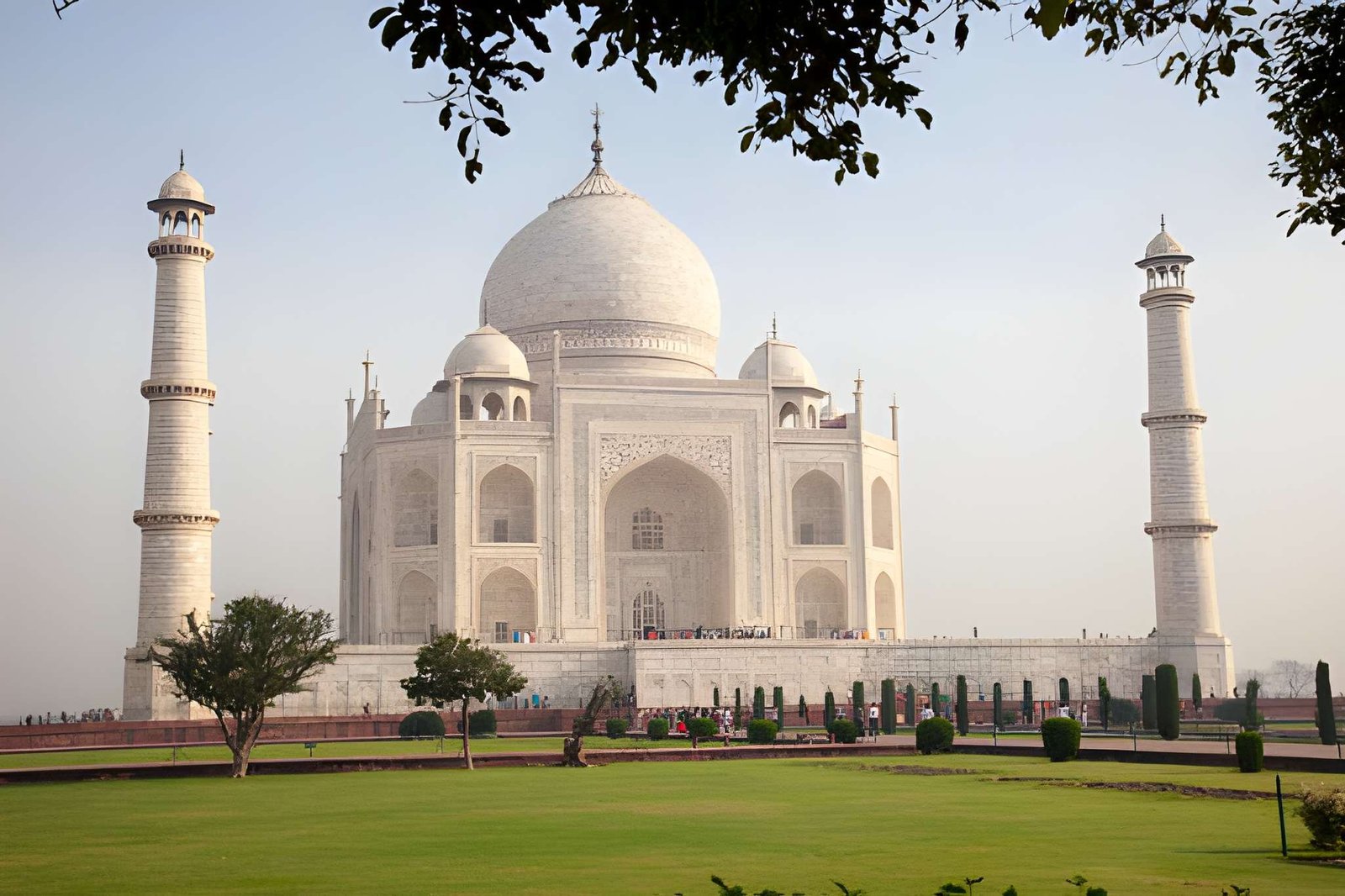
The Taj Mahal is breathtaking year-round, but every season gives this world-famous monument a completely different personality. From cool winter mornings to dramatic monsoon skies, each visit offers a fresh experience for travelers, photographers, and history lovers alike.
Winter: The Most Magical Season
Winter, from October to March, is considered the best time to visit the Taj Mahal because of the pleasant weather and comfortable temperatures. Clear skies and cool mornings create ideal conditions for sightseeing and photography.
One of the most unforgettable experiences is watching the sunrise during winter. The soft golden light slowly reflects on the white marble, creating a dreamy atmosphere that attracts visitors from around the world. Early mornings can sometimes be foggy, especially in December and January, adding a mysterious charm to the monument.
Winter is also perfect for exploring nearby attractions in Agra without the exhaustion caused by extreme heat.
Spring: Clear Skies and Perfect Photos
Spring, from March to early May, brings warmer temperatures and bright sunshine. The gardens surrounding the Taj Mahal look vibrant, and the clear skies make this one of the best seasons for photography.
This season is ideal for travelers who want fewer crowds compared to peak winter months while still enjoying comfortable weather. Morning and late afternoon visits are especially rewarding because the changing sunlight creates beautiful shades on the marble surface.
Summer: Quiet and Peaceful Visits
Summer in Agra can be extremely hot, with temperatures often exceeding 40°C. While many travelers avoid this season, it offers one major advantage — fewer crowds.
If you visit during summer, sunrise tours are highly recommended. The cooler morning temperatures and softer light make the experience far more enjoyable. You’ll also have more space to appreciate the architecture and capture crowd-free photos.
The marble of the Taj Mahal reflects sunlight intensely during summer afternoons, giving the monument a brilliant white glow that looks stunning in photographs.
Monsoon: A Romantic Side of the Taj Mahal
From July to September, monsoon rains transform the Taj Mahal into a lush and romantic destination. The surrounding gardens become greener, and dramatic clouds create a cinematic backdrop behind the monument.
Rain showers often mean fewer tourists, allowing visitors to enjoy a calmer atmosphere. The reflections of the Taj Mahal on wet pathways and pools can create some of the most unique photos of the year.
Although weather can be unpredictable, many travelers love the peaceful beauty that monsoon season brings to Agra.
Experience the Taj Mahal in Every Season
No matter when you visit, the Taj Mahal offers a different mood, color, and atmosphere every season. Whether you prefer cool winter mornings, vibrant spring light, peaceful summer visits, or romantic monsoon views, there’s never a wrong time to experience this iconic wonder.
Plan your unforgettable visit and book your tickets easily at Tickets Taj Mahal.





Comment (0)