


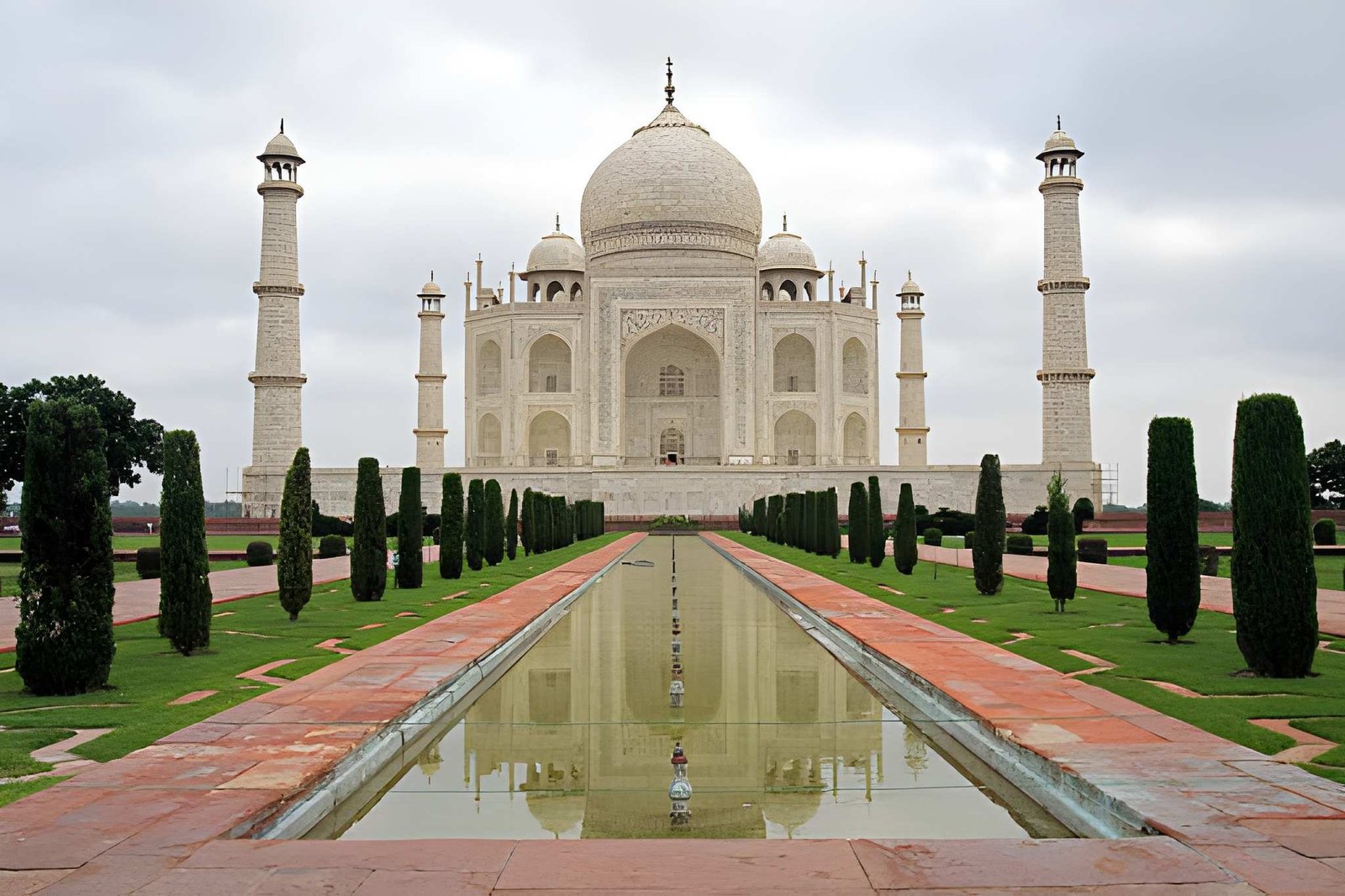
The Taj Mahal has stood as a symbol of love, beauty, and architectural brilliance for centuries. Built in the 17th century by Emperor Shah Jahan, this UNESCO World Heritage Site continues to attract millions of visitors from around the world. Over the years, the experience of visiting this iconic monument has evolved dramatically — blending history, culture, and modern convenience.
From Royal Monument to Global Wonder
Originally constructed as a mausoleum for Mumtaz Mahal, the Taj Mahal was once accessible only to royals and select visitors. Travelers journeyed long distances by foot, horse, or caravan just to witness its breathtaking marble beauty.
Today, the monument has become one of the world’s most visited landmarks, welcoming tourists from every corner of the globe. Improved transportation, guided tours, and digital access have transformed the way people experience this architectural masterpiece.
The Rise of Modern Tourism
In earlier decades, planning a visit to the Taj Mahal often involved long ticket queues, limited travel information, and language barriers. Modern tourism has changed that completely.
Visitors can now access travel guides, virtual previews, multilingual support, and real-time updates online. Whether traveling solo, with family, or in a group, tourists can enjoy a smoother and more organized journey.
Technology has also helped preserve the monument by managing visitor flow and encouraging eco-friendly tourism practices around the site.
Digital Convenience for Travelers
One of the biggest changes in the Taj Mahal experience is the shift toward online booking. Travelers no longer need to wait in long lines to secure entry tickets. With a few clicks, visitors can plan their trip in advance and avoid unnecessary delays.
For a fast and reliable booking experience, travelers can reserve their tickets through Tickets Taj Mahal. The platform makes it simple to choose tickets, plan visits, and prepare for an unforgettable journey to one of the world’s greatest wonders.
A Blend of History and Modern Comfort
Despite modern advancements, the emotional impact of seeing the Taj Mahal for the first time remains timeless. The changing colors of the marble at sunrise and sunset still captivate visitors just as they did centuries ago.
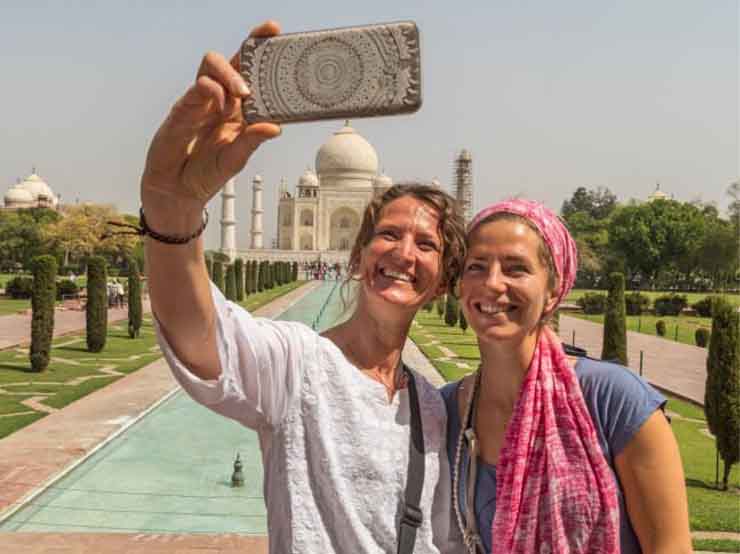
What has changed is the comfort surrounding the experience — better accessibility, guided storytelling, digital photography, and convenient booking systems all help travelers focus on the beauty and history of the monument itself.
The Future of the Taj Mahal Experience
As tourism continues to evolve, the Taj Mahal experience is expected to become even more interactive and personalized. From virtual reality tours to smart travel planning, visitors will continue to discover new ways to connect with this timeless symbol of love.
Yet, no matter how advanced technology becomes, the magic of standing before the Taj Mahal in person will always remain unforgettable.





Comment (0)