


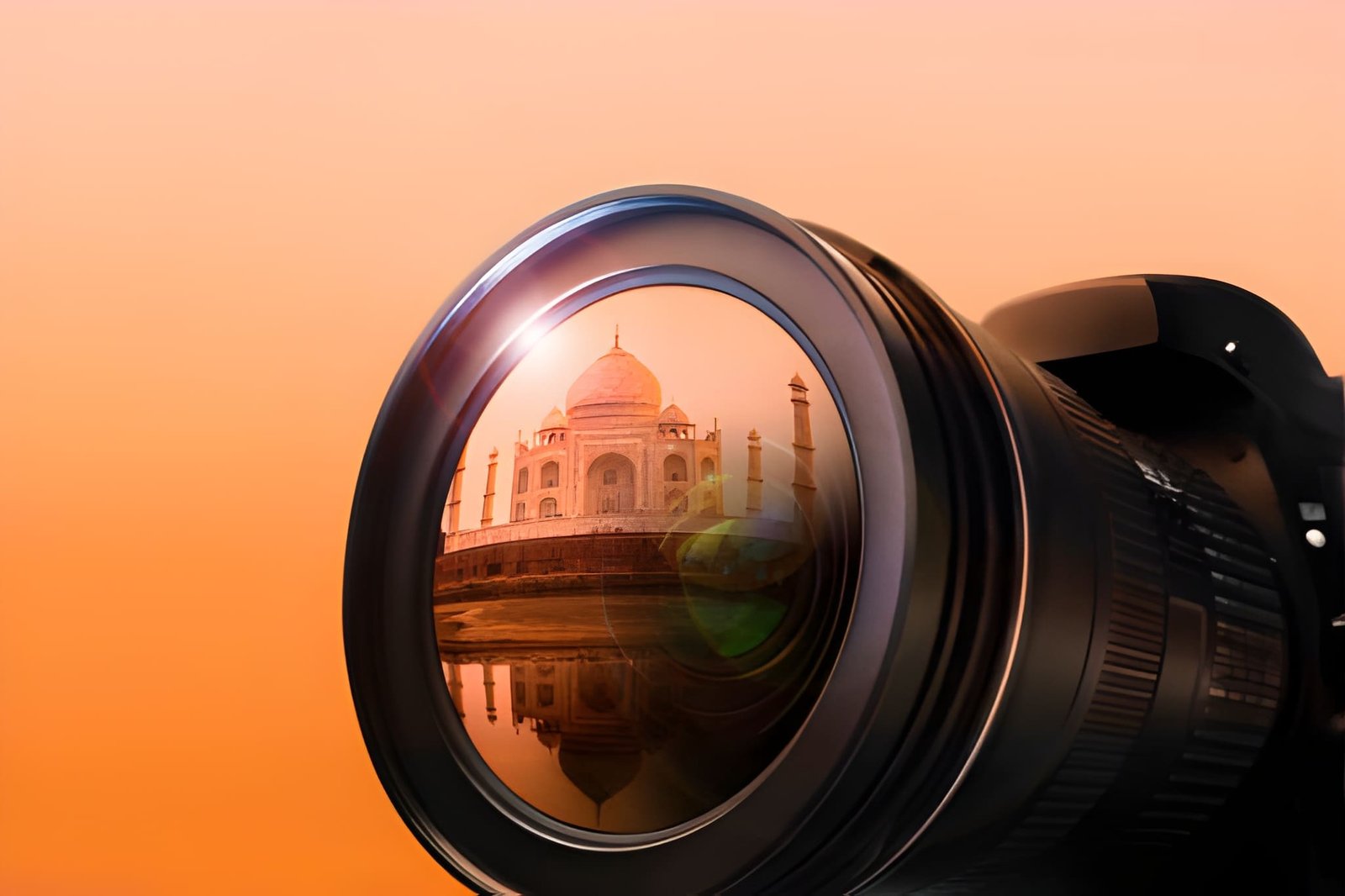
The Taj Mahal is more than a monument — it is one of the most photographed landmarks in the world. From sunrise silhouettes to reflection shots by the pools, this white marble masterpiece has inspired travelers, artists, and photographers for generations. But how did the Taj Mahal become such a powerful photography icon?
A Monument Built for Beauty
Commissioned by Mughal emperor Shah Jahan in the 17th century, the Taj Mahal was designed with perfect symmetry, elegant domes, and intricate marble details. Every angle of the monument was carefully planned to create visual harmony. This timeless architecture naturally attracts photographers looking for balance, depth, and beauty in a single frame.
The changing colors of the marble throughout the day also make the Taj Mahal unique. During sunrise, the monument glows pink, while sunset creates warm golden tones. Under moonlight, it appears soft and silver, giving photographers endless creative opportunities.
The Rise of Travel Photography
As travel photography became popular in the 20th century, the Taj Mahal quickly became a must-capture destination. Magazine covers, postcards, documentaries, and later social media platforms helped spread its image worldwide.
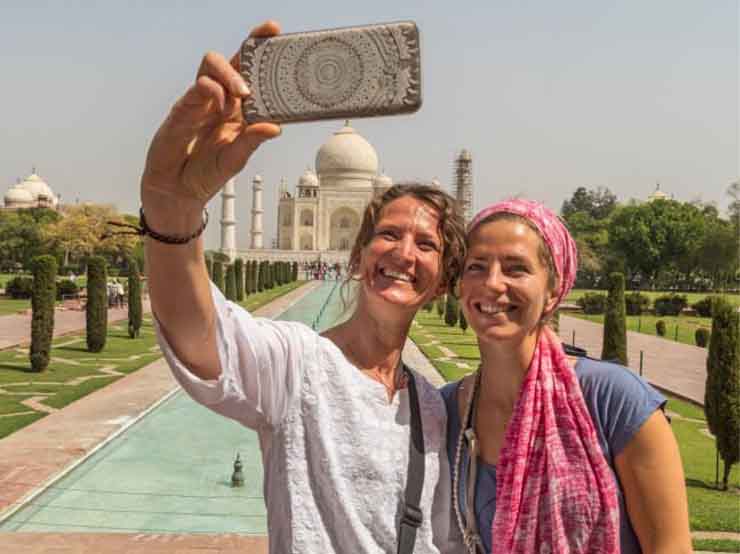
Today, millions of travelers visit every year to recreate iconic shots from the main gate, the reflecting pool, and nearby gardens. Professional photographers and casual visitors alike are drawn to its timeless elegance.
Social Media Made It Even More Famous
Platforms like Instagram and Pinterest transformed the Taj Mahal into a global visual symbol of travel and romance. Popular poses, sunrise photos, and cinematic drone views continue to inspire new visitors every day.
Its combination of history, architecture, and emotion makes every photo feel meaningful. Unlike many landmarks, the Taj Mahal offers stunning compositions from nearly every corner of the complex.
Best Times to Photograph the Taj Mahal
For the best photography experience, early morning is often recommended. The softer light, smaller crowds, and peaceful atmosphere help create cleaner and more dramatic images.
Winter months usually provide clearer skies, while sunrise offers the most iconic lighting conditions. Visitors also enjoy capturing reflections after light rain, adding extra depth to their photos.
Plan Your Visit Easily
If you are planning to experience and photograph the Taj Mahal yourself, booking tickets in advance can save time and make your trip smoother.
Visit Tickets Taj Mahal to book your tickets online and prepare for an unforgettable visit to one of the world’s greatest photography icons.





Comment (0)