


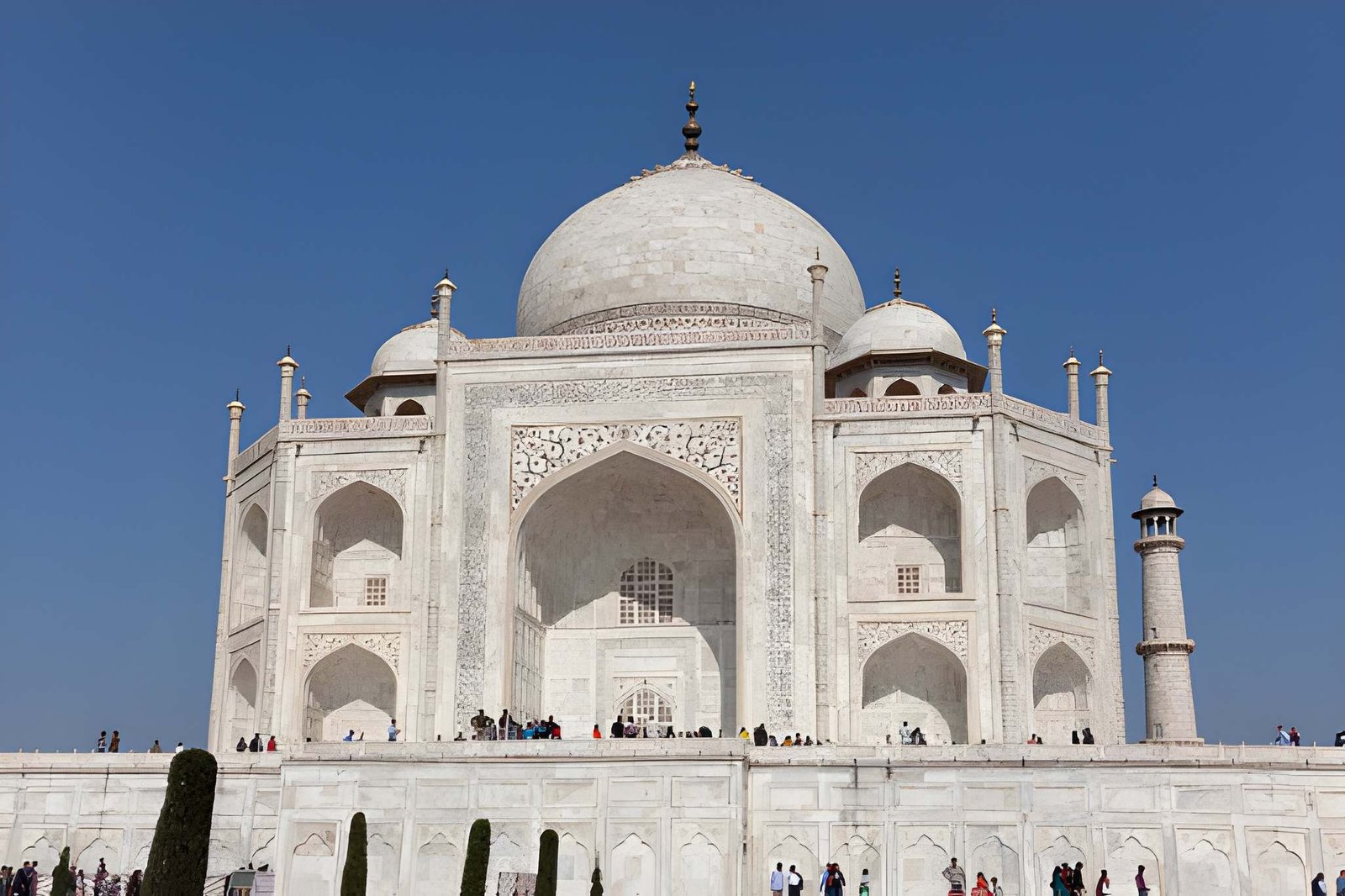
The Taj Mahal is more than a world-famous monument — it is a masterpiece of engineering, architecture, and artistic brilliance that continues to captivate millions of visitors every year. Built in the 17th century by Shah Jahan in memory of his wife Mumtaz Mahal, this iconic wonder remains one of the most studied and admired structures in the world.
A Perfect Blend of Art and Engineering
Scientists and architects are still amazed by the Taj Mahal’s near-perfect symmetry. Every detail, from the gardens to the marble domes, was carefully designed to create visual harmony. The monument’s balance is so precise that even modern engineers admire the advanced planning techniques used centuries ago.
One fascinating feature is how the main dome appears perfectly proportioned from every angle. Experts believe the builders used sophisticated mathematical calculations long before modern construction tools existed.
The Marble That Changes Color
Visitors often notice that the Taj Mahal seems to change color throughout the day. In the early morning, it appears pinkish, during the day it shines bright white, and under moonlight it glows softly in silver tones.
This effect comes from the special white Makrana marble used in its construction, which reflects sunlight and atmospheric conditions differently at various times. Scientists continue to study how light interacts with the marble surface to create this magical visual experience.
Earthquake-Resistant Design
Another reason the Taj Mahal fascinates experts is its remarkable durability. Despite centuries of weather changes and environmental challenges, the structure still stands strong.
Researchers have discovered that the minarets surrounding the monument were intentionally built with a slight outward tilt. This clever design helps protect the main mausoleum during earthquakes, preventing the towers from collapsing inward.
Intricate Craftsmanship That Still Impresses
The monument is filled with detailed carvings, calligraphy, and precious stone inlays that remain incredibly well-preserved. Many historians believe thousands of artisans and craftsmen worked on the Taj Mahal for over 20 years.
Even today, modern technology struggles to replicate some of the delicate marble inlay techniques used by Mughal artists.
A Timeless Experience for Travelers
Beyond science and architecture, the Taj Mahal continues to leave visitors speechless because of its emotional story and breathtaking beauty. Whether viewed at sunrise or under the stars, the monument offers a once-in-a-lifetime experience that blends history, romance, and culture.
If you are planning to visit the Taj Mahal, book your tickets easily through Tickets Taj Mahal and explore one of the world’s greatest wonders without hassle.






Comment (0)