



The Story Behind the Taj Mahal
The Taj Mahal in Agra, India, stands as one of the world’s most famous monuments and a powerful symbol of love. Mughal Emperor Shah Jahan built it in 1632 to honor his wife Mumtaz Mahal after her death. Craftsmen worked for over 20 years to complete this white marble masterpiece.
For students, the Taj Mahal offers more than historical facts. It tells a human story of love, loss, and artistic ambition that shaped one of the greatest wonders of the world.
A Simple Look at Its Architecture
The Taj Mahal showcases stunning symmetry and precise design. Builders combined Persian, Islamic, and Indian architectural styles to create a unified masterpiece.
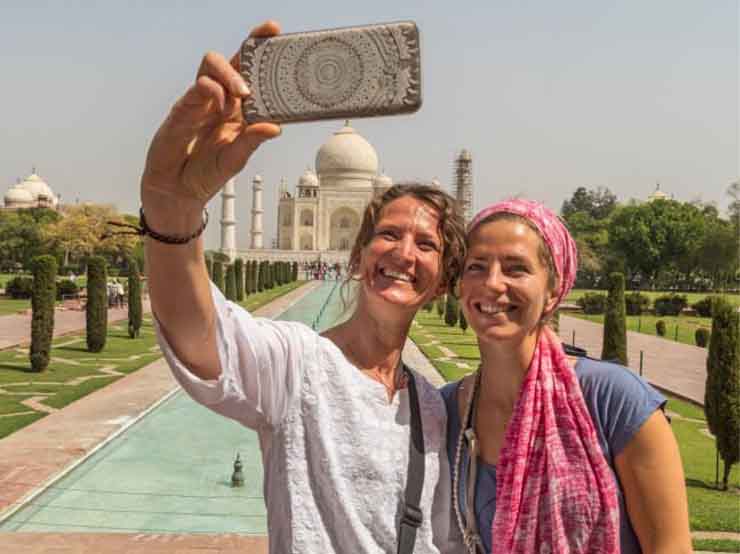
The central dome rises above the structure, while four minarets stand at each corner. Skilled artisans carved detailed floral patterns into the marble and decorated surfaces with semi-precious stones. The reflecting pool in front enhances the view, especially during sunrise and sunset.
Students studying architecture, design, or history can learn how geometry, balance, and cultural influence come together in this structure.
Why Students Should Study the Taj Mahal
Teachers often include the Taj Mahal in lessons because it connects several subjects. Students can explore Mughal history, global heritage, and artistic development through one monument.
Studying the Taj Mahal also builds awareness of cultural preservation. It encourages students to understand why societies protect historical landmarks and how these sites continue to educate future generations.
Planning a Student Visit
A visit to the Taj Mahal gives students a deeper understanding of its scale and beauty. Early morning visits offer the best experience, with softer light and fewer crowds. Guided tours help students understand the monument’s history and design in a clear and engaging way.
Booking tickets online saves time and simplifies entry. It also helps visitors avoid long queues during peak seasons.
Plan your visit here: Book Taj Mahal Tickets
Final Thoughts
The Taj Mahal stands as more than a monument. It reflects human emotion, artistic excellence, and cultural heritage. Students who study or visit it gain a clearer understanding of history and architecture in real life.





Comment (0)