


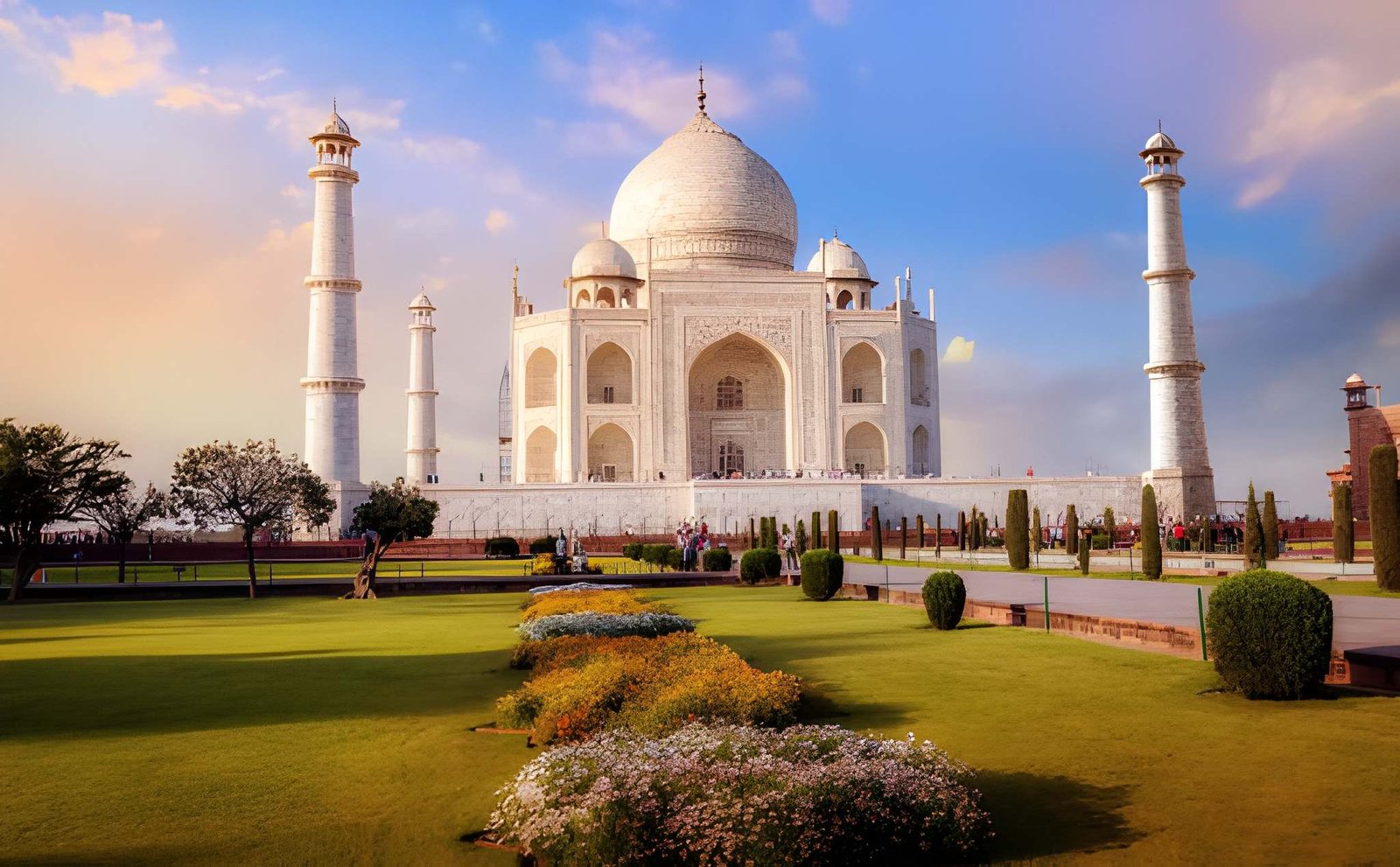
The Taj Mahal is one of the most photographed monuments in the world. Yet many visitors arrive expecting the exact image they saw online — only to discover it feels surprisingly different in person. The good news? That difference is usually what makes the experience unforgettable.
Lighting Changes Everything
Most iconic Taj Mahal photos are taken during sunrise or sunset when the marble glows with soft pink, gold, or blue tones. If you visit at midday, especially in summer, the monument can appear brighter and flatter than expected.
Professional photographers also wait for perfect weather conditions, which may not match your visit day. Fog, haze, or monsoon clouds can completely change the atmosphere.
Camera Lenses Create Illusions
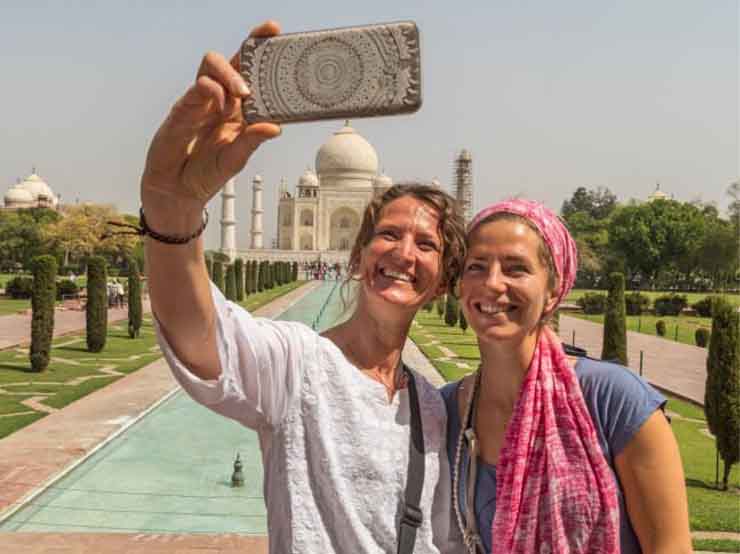
Many travel photos use wide-angle lenses or editing techniques that make the Taj Mahal appear larger, taller, or more isolated. In reality, the surrounding gardens, visitors, and security areas are part of the full experience.
Some images are also heavily edited to increase contrast, whiten the marble, or remove crowds. Your eyes will see a more natural version — and often a more beautiful one.
Crowds Affect the Experience
The Taj Mahal welcomes millions of visitors every year. Viral social media photos often look empty because they are taken very early in the morning or edited afterward.
During peak tourist seasons, the main platform and reflection pool areas can become busy. Booking early entry tickets helps you enjoy calmer views and better photo opportunities.
The Marble Changes Color Naturally
One of the most fascinating things about the Taj Mahal is that it never looks exactly the same twice. The white marble reflects sunlight differently throughout the day.
In the morning, it may appear soft and silver. By afternoon, it becomes bright white. Under moonlight, it can look almost blue. Photos capture only one moment, while a real visit lets you experience all its changing moods.
Air Quality and Restoration Work
Sometimes visitors notice scaffolding, cleaning work, or slight discoloration compared to polished online images. Conservation projects are regularly carried out to protect the monument from pollution and environmental damage.
These efforts help preserve the Taj Mahal for future generations, even if they occasionally affect photographs.
Why Seeing It in Person Still Matters
No photo can truly capture the scale, symmetry, and emotion of standing before the Taj Mahal. The detailed carvings, peaceful gardens, and changing light create an atmosphere that cameras often fail to reproduce.
If you are planning your visit, book trusted entry tickets and guided tours through Tickets Taj Mahal to make your experience smooth, comfortable, and memorable.





Comment (0)