


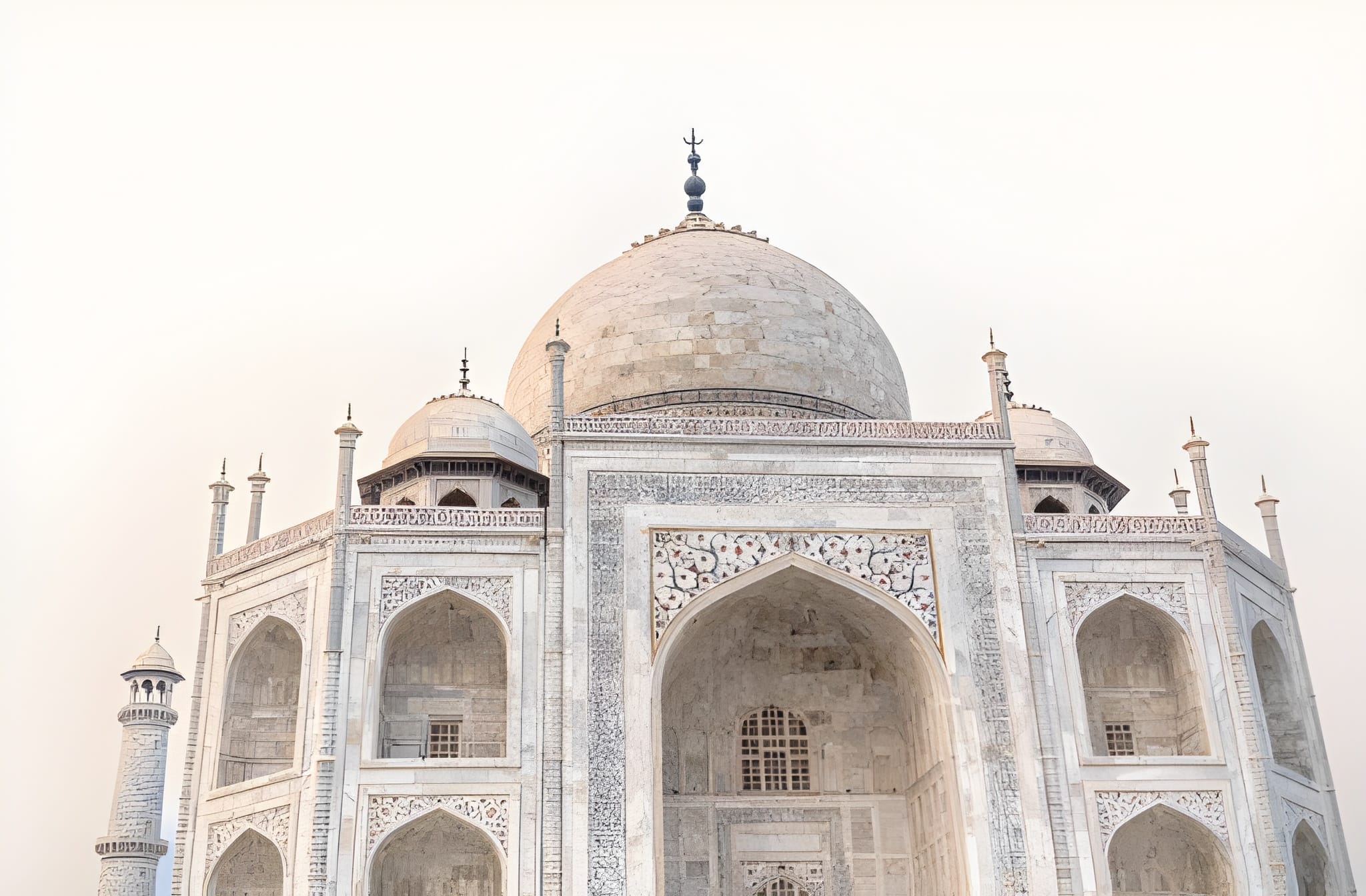
The story of the Taj Mahal—one of the world’s most magnificent monuments—cannot be told without first understanding the empire that made its creation possible. Long before Emperor Shah Jahan envisioned this marble wonder, his grandfather, Akbar the Great (1542–1605) laid the foundation of a powerful and culturally rich Mughal Empire that would later produce such timeless architectural marvels.
The Rise of Akbar the Great
Akbar ascended the Mughal throne at just 13 years old in 1556, inheriting an empire still struggling to establish control over the Indian subcontinent. Through his intelligence, tolerance, and military brilliance, he transformed the Mughal dynasty into one of the most influential empires in Indian history.
Unlike many conquerors of his time, Akbar believed that true strength came not from fear, but from unity. His policies of religious tolerance and administrative reforms helped integrate the diverse peoples of India—Hindus, Muslims, Sikhs, and others—into one empire. This spirit of inclusivity and peace laid the groundwork for a golden age of art, culture, and architecture.
The Foundations of Mughal Grandeur
Under Akbar’s reign, cities flourished, trade expanded, and the arts reached new heights. His love for architecture was evident in the construction of the magnificent Fatehpur Sikri, a city that reflected both Persian elegance and Indian craftsmanship. This unique fusion of styles became a hallmark of Mughal architecture and would later inspire the design principles behind the Taj Mahal itself.
Akbar’s administrative innovations also ensured the empire’s stability. He reorganized the taxation system, encouraged agricultural development, and established a merit-based bureaucracy. These reforms allowed future rulers—especially his grandson Shah Jahan—to focus on the pursuit of art, architecture, and cultural refinement, rather than warfare and governance struggles.
The Legacy Lives On: From Akbar to Shah Jahan
When Shah Jahan came to power in 1628, he inherited not only a vast and prosperous empire but also his grandfather’s vision of harmony and grandeur. The result was the creation of the Taj Mahal, a masterpiece that combined Persian symmetry, Indian artistry, and Islamic calligraphy in perfect balance.
The Taj Mahal, built in memory of Shah Jahan’s beloved wife Mumtaz Mahal, stands as a symbol of eternal love. Yet, it also represents the culmination of nearly a century of Mughal excellence—a dream first kindled during Akbar’s reign. Every marble dome, every precious stone inlay, and every reflecting pool echoes the empire’s devotion to beauty, unity, and faith.
Visit the Taj Mahal and Experience History
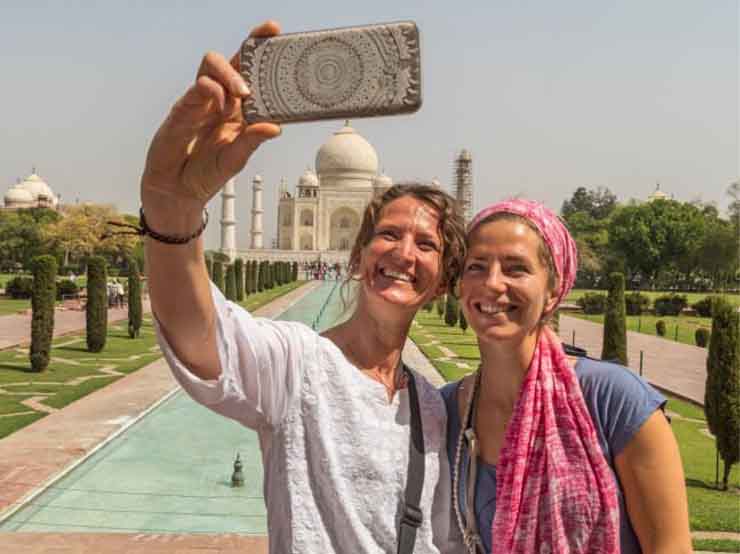
Today, millions of visitors from around the world come to Agra to witness the timeless splendor of the Taj Mahal—a living testament to the vision of Akbar the Great and the glory of the Mughal Empire. Walking through its majestic gates, you don’t just see a monument; you step into a story that began centuries ago with a young emperor determined to unite a diverse nation under one crown.
If you’re planning to visit this UNESCO World Heritage site, make sure to book your entry tickets easily and securely through TicketsTajMahal.com. Our platform offers convenient online booking and insider tips to help you experience the magic of the Taj Mahal without the hassle.
Discover history, culture, and love—all in one unforgettable visit.
Plan your journey today at TicketsTajMahal.com, and let the legacy of Akbar and the majesty of the Taj Mahal inspire you.





Comment (0)