


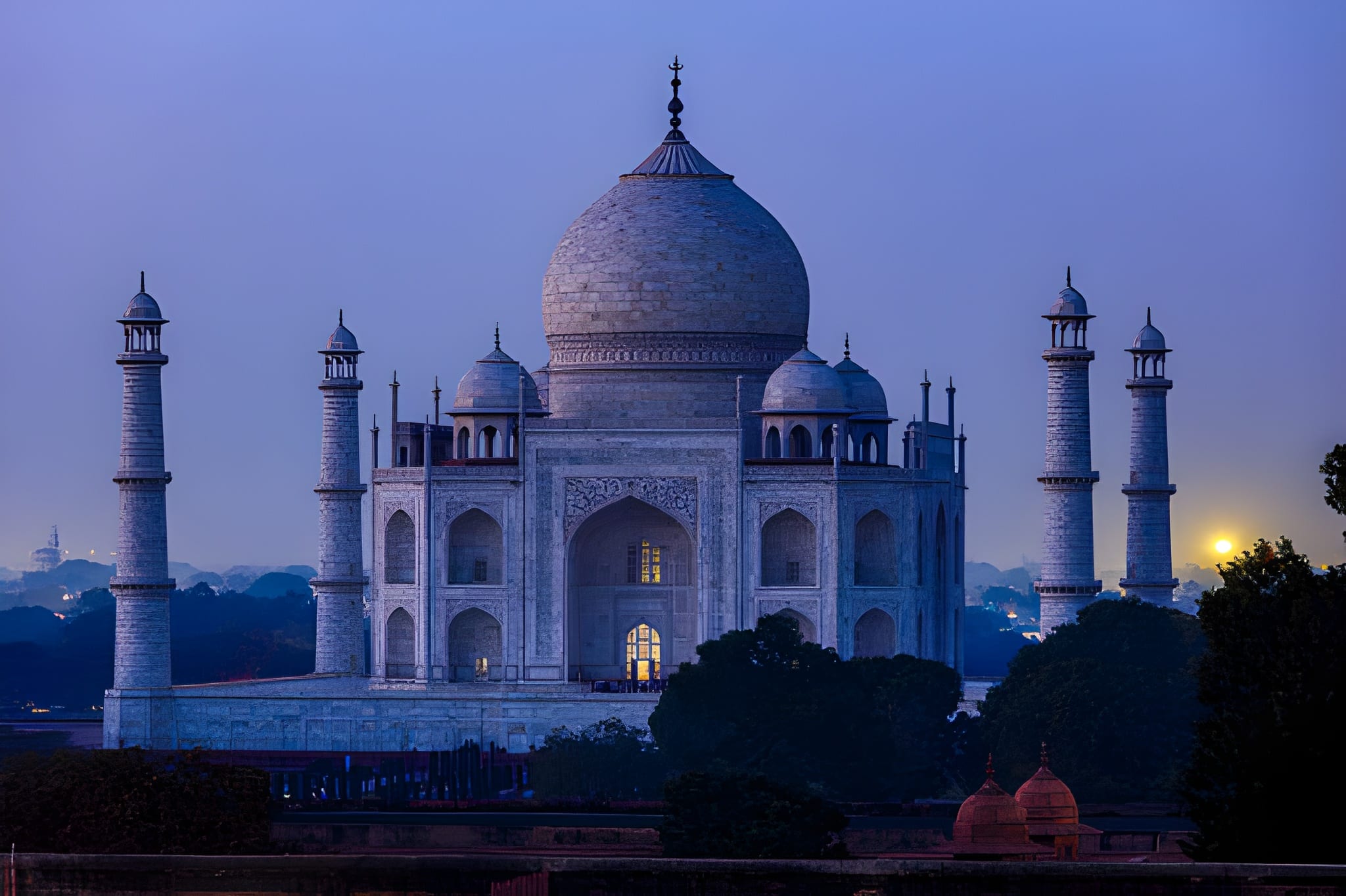
The story of the Taj Mahal, one of the most iconic monuments in the world, begins long before its white marble grandeur was imagined. It traces back to Bābur, a Central Asian prince whose vision and conquests laid the foundation of the Mughal Empire in India.
Born in 1483 in present-day Uzbekistan, Bābur descended from both Timur and Genghis Khan. A skilled warrior and strategist, he dreamed of establishing a lasting empire in India. In 1526, Bābur defeated Ibrahim Lodi at the First Battle of Panipat, marking the birth of the Mughal Empire. This victory not only secured his rule but also ushered in a new era of art, architecture, and culture that flourished under the Mughal dynasty.
Bābur’s establishment of the Mughal Empire paved the way for a remarkable lineage of rulers, including his grandson Shah Jahan, who envisioned the Taj Mahal. The Mughal rulers combined Persian, Central Asian, and Indian traditions, creating architectural marvels that continue to amaze the world today.
Shah Jahan commissioned the Taj Mahal in the 17th century to honor his beloved wife, Mumtaz Mahal. Its white marble, intricate inlay work, and perfectly symmetrical gardens showcase the empire’s dedication to art and beauty. While the Taj Mahal symbolizes eternal love, it also reflects the enduring legacy that Bābur began nearly a century earlier.
Visiting the Taj Mahal allows travelers to step into history. Every arch, dome, and courtyard tells a story of ambition, artistry, and devotion. From Bābur’s dream of an empire to Shah Jahan’s architectural masterpiece, the Mughal legacy continues to inspire millions worldwide.
Plan your visit today and witness this timeless marvel for yourself. Book your tickets easily at Ticketstajmahal.comand experience the grandeur that began with Bābur and culminated in the breathtaking beauty of the Taj Mahal.






Comment (0)