


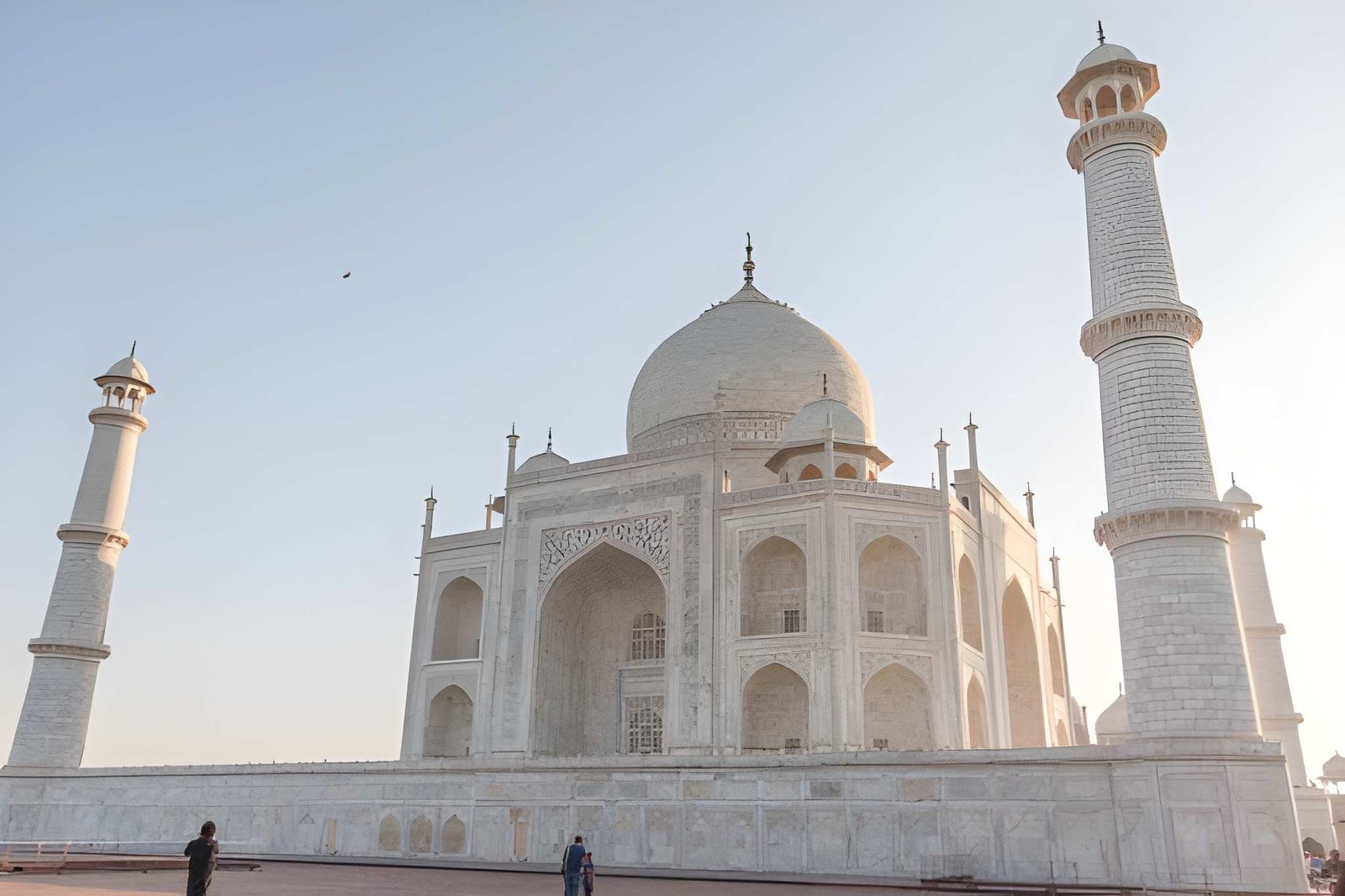
Architecture is often seen as a blend of art and engineering—but can it also tell a story? Some buildings do more than stand tall; they speak, evoke emotion, and preserve history in stone. One of the most powerful examples in the world is the Taj Mahal, a monument that has come to symbolize love, loss, and timeless beauty.
A Love Story Carved in Marble
The Taj Mahal was built in the 17th century by Emperor Shah Jahan in memory of his beloved wife, Mumtaz Mahal. After her passing, he commissioned this grand mausoleum as a tribute to their deep bond. Every inch of the structure reflects devotion—from the symmetry of its design to the delicate floral patterns carved into white marble.
Unlike ordinary buildings, the Taj Mahal communicates emotion. Its serene beauty and perfect proportions create a sense of peace, almost as if the monument itself is whispering a love story that has endured for centuries.
Architecture That Speaks
What makes the Taj Mahal unique is how its design elements contribute to storytelling. The central dome rises like a crown, symbolizing honor and reverence. The surrounding minarets stand slightly tilted outward, a subtle architectural decision that protects the tomb while adding to its elegance.
The intricate inlay work, known as pietra dura, uses semi-precious stones to create detailed patterns and calligraphy. These aren’t just decorations—they represent paradise, eternity, and the spiritual journey beyond life.
Even the way light interacts with the building tells a story. At sunrise, the Taj Mahal glows softly in shades of pink. By midday, it shines brilliantly white. At sunset, it turns golden, and under moonlight, it appears almost ethereal. Each moment reflects a different mood, much like the changing emotions of a story unfolding.
A Universal Symbol
The Taj Mahal is more than a historical monument—it’s a universal symbol of love. Visitors from around the world come not only to admire its beauty but to feel its meaning. It reminds us that architecture can go beyond function and aesthetics; it can capture human emotion in a way that words sometimes cannot.
Standing before it, many people feel a connection to something larger than themselves. It’s a rare experience where history, art, and emotion come together seamlessly.
Experience the Story Yourself
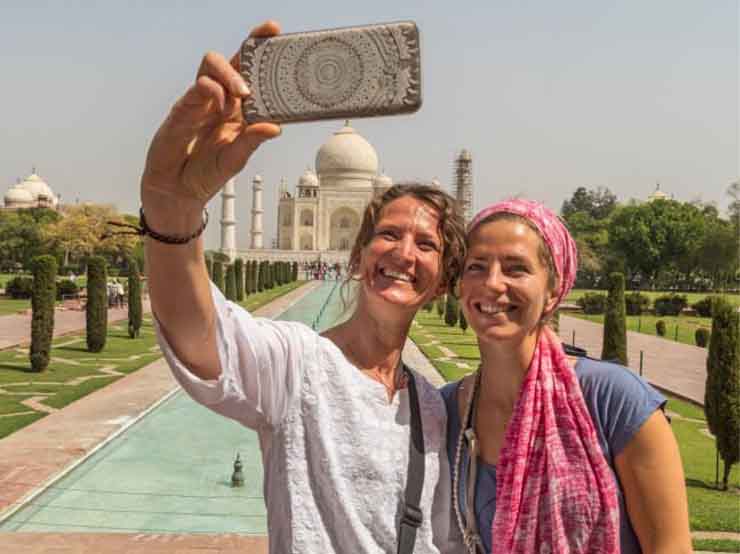
Reading about the Taj Mahal is one thing, but experiencing it in person is something entirely different. Walking through its gardens, seeing the reflections in its pools, and standing before its grand façade allows you to truly understand the story it tells.
If you’re planning a visit, make your journey seamless and memorable. Book your tickets easily through our website: https://ticketstajmahal.com and get ready to witness one of the greatest stories ever told through architecture.
The Taj Mahal proves that buildings can do more than stand still—they can speak across time, sharing stories that continue to inspire generations.





Comment (0)