


A Monument That Breathes Emotion
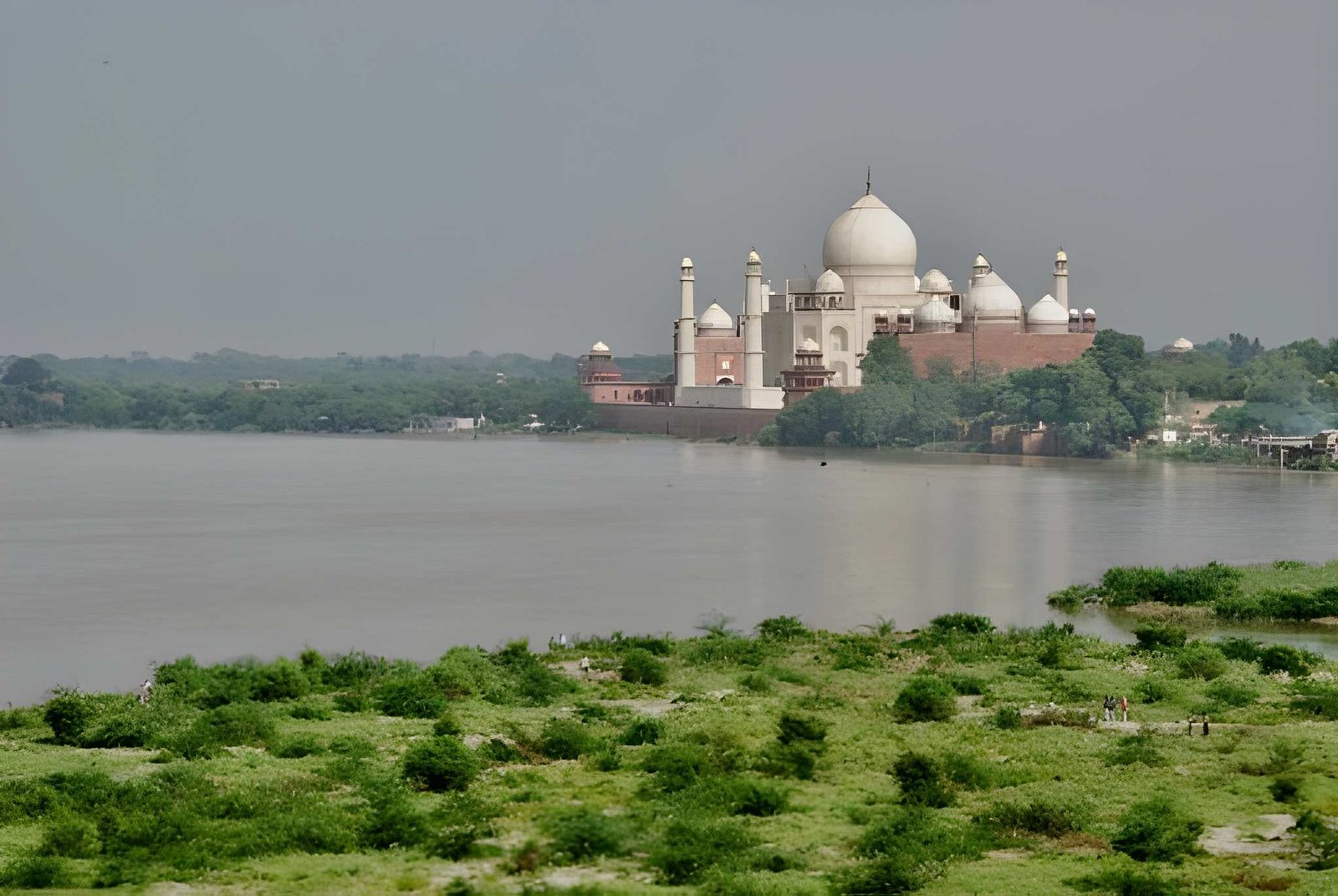
The Taj Mahal is not merely a structure of marble—it is a living poem etched in stone. As dawn breaks, the monument awakens softly, wrapped in hues of pink and gold. By midday, it gleams with a brilliance that almost feels otherworldly, and at sunset, it melts into warm amber tones, as though the day itself is reluctant to let it go. To describe the Taj Mahal is to attempt capturing something that transcends architecture—it is emotion made visible.
The Poetry of Symmetry
Every line, arch, and reflection of the Taj Mahal speaks the language of balance. Its symmetry is not rigid but graceful, drawing the eye toward its central dome as though guided by an invisible hand. The gardens mirror the monument’s elegance, and the long reflecting pool doubles its beauty, creating a dreamlike illusion. For a writer, this harmony becomes a metaphor for perfection—rare, fleeting, and deeply moving.
Marble That Tells a Story
The white marble façade is far from plain. Up close, it reveals intricate inlays of semi-precious stones forming delicate floral patterns. Each detail whispers stories of craftsmanship, patience, and devotion. The walls seem to carry echoes of the past, reminding visitors that the Taj Mahal was born from love—an emperor’s tribute to his beloved. Writing about it feels less like observation and more like listening.
Light, Shadow, and Silence
What makes the Taj Mahal unforgettable is its relationship with light. It transforms continuously, never appearing the same twice. Morning mist softens its edges, afternoon sun sharpens its brilliance, and moonlight turns it into a quiet, glowing apparition. Silence surrounds it, yet that silence feels full—filled with history, memory, and reverence. A writer cannot ignore this interplay; it demands to be felt as much as described.
The Human Connection
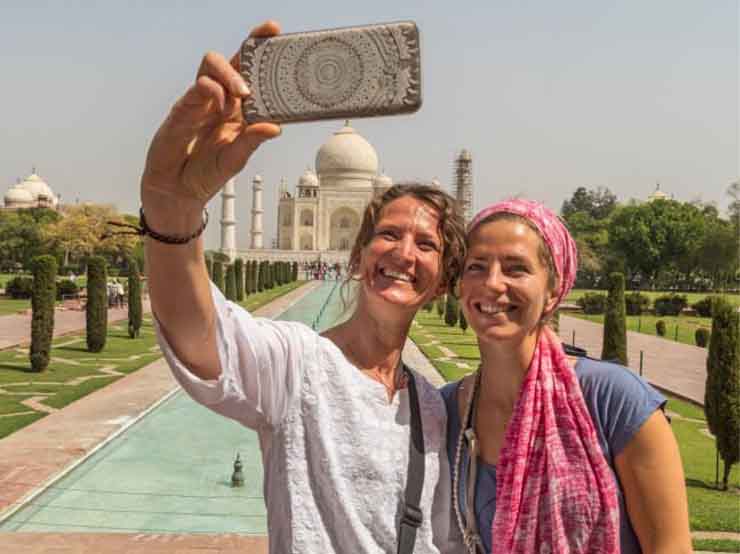
Beyond its beauty, the Taj Mahal resonates because it reflects something deeply human—the desire to remember, to honor, and to love beyond time. Visitors from across the world stand before it, often speechless, united by a shared sense of awe. For a writer, this connection is the true subject, more than the marble or the gardens. It is the emotion in the eyes of those who witness it.
Experience It Yourself
Words can only go so far. The Taj Mahal is a place that must be experienced in person to be truly understood. If you’re ready to witness its beauty firsthand, plan your visit and secure your entry with ease at https://ticketstajmahal.com. Let your own story unfold in the presence of one of the world’s most timeless wonders.
In the end, describing the Taj Mahal is an act of humility. No matter how carefully chosen the words, they will always fall just short of its reality. And perhaps that is its greatest magic—it leaves every writer searching, and every visitor transformed.





Comment (0)