


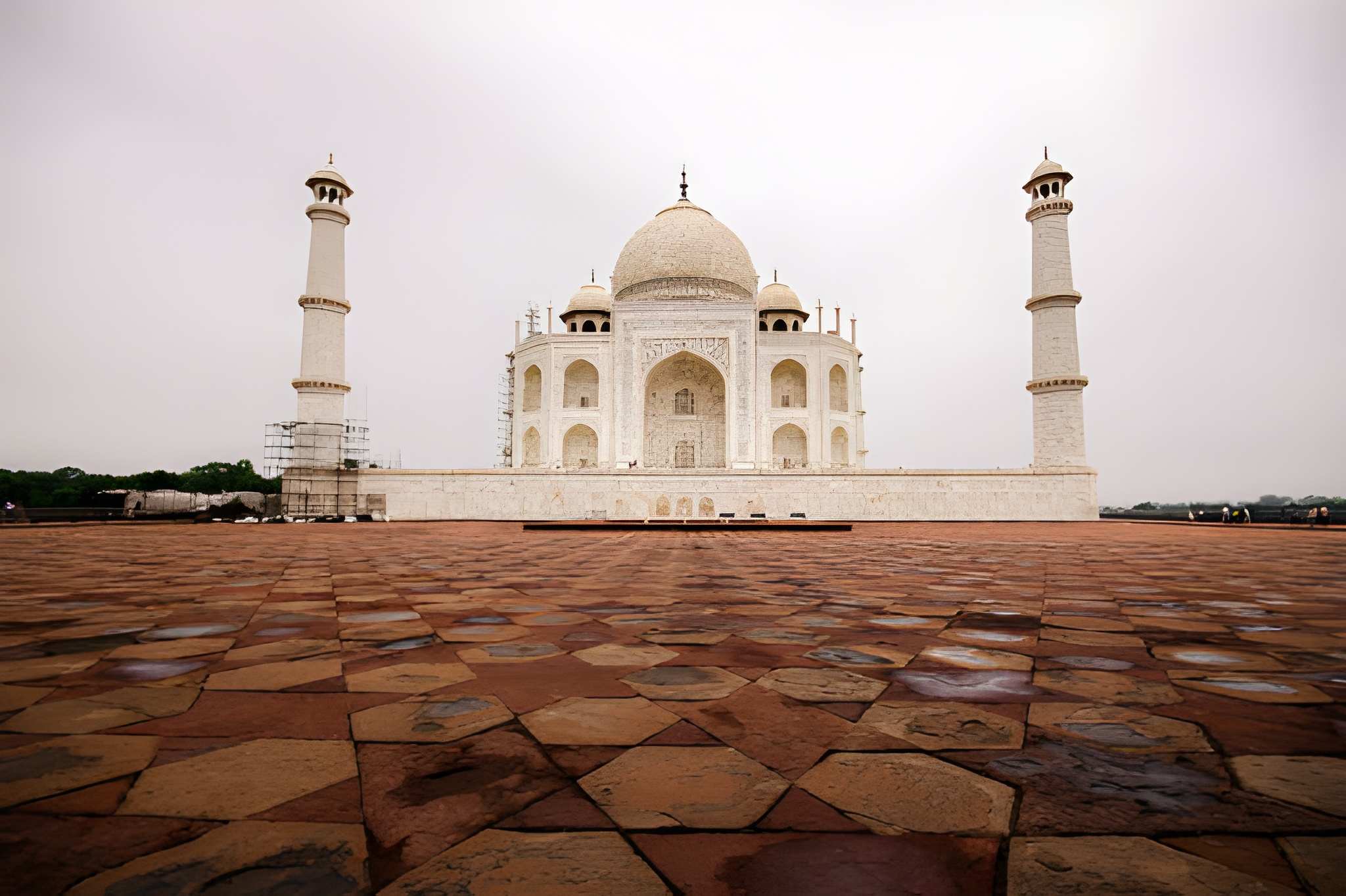
Rising above the banks of the Yamuna River, the Taj Mahal is more than one of the world’s greatest architectural wonders—it is a silent storyteller of the Mughal Empire’s power, artistry, and cultural depth. Built between 1631 and 1653 by Emperor Shah Jahan in memory of his beloved wife Mumtaz Mahal, the monument has long captivated travelers, historians, and architects. But beyond its gleaming marble and poetic symmetry lies a deeper narrative: the story of an empire at its creative zenith.
A Monument to Love—and Imperial Grandeur
The Taj Mahal is often described as a symbol of eternal love, but it also stands as a testament to immense imperial wealth and authority. Constructing such a masterpiece required resources on a scale only the Mughal court could command. More than 20,000 artisans, architects, calligraphers, and craftsmen were commissioned across the empire—from Persia, Central Asia, and India—showcasing the cosmopolitan character of Mughal society.
The empire’s prosperity allowed for experimentation with art, architecture, and technology. The Taj Mahal embodies this synthesis: Persian garden design, Central Asian symmetry, and Indian craftsmanship harmonize in ways that defined Mughal aesthetics for generations.
A Fusion of Cultures
One of the most remarkable aspects of the Mughal period was its cultural openness. The Taj Mahal reflects this hybridity:
-
Persian influences appear in its calligraphy, dome design, and charbagh (four-part garden).
-
Indian traditions shine through in its intricate pietra dura floral inlays and latticed stone screens.
-
Islamic geometry and symmetry guide nearly every measurement and proportion.
This fusion wasn’t accidental—it was core to Mughal identity. The empire flourished by embracing diverse artistic and intellectual traditions, and the Taj Mahal stands as the ultimate expression of this multicultural brilliance.
Engineering Brilliance Ahead of Its Time
Beyond its beauty, the Taj Mahal reveals the scientific and engineering sophistication of the Mughal era. The placement along the riverbank required advanced foundation techniques. Marble was transported from the quarries of Makrana over hundreds of kilometers. Precision tools ensured geometric perfection long before modern machinery existed.
Even the optical illusions built into its design—like the minarets that tilt slightly outward for structural safety and symmetrical balance—demonstrate a level of planning centuries ahead of its time.
A Window into Mughal Philosophy
The Taj Mahal embodies the empire’s philosophical ideals: balance, harmony, and the pursuit of beauty. Its layout reflects Islamic notions of paradise—lush gardens, flowing water, and radiant light. Shah Jahan believed in the power of art to express divine order, and the Taj captures that vision.
It also illustrates the Mughal emphasis on legacy. Emperors built not merely for their lifetimes but for eternity. Through palaces, gardens, and mausoleums, they carved their stories into stone. The Taj Mahal is Shah Jahan’s most eloquent statement.
Why It Still Matters Today
Centuries later, the Taj Mahal remains one of the most visited destinations on the planet—and for good reason. It’s a masterpiece of human creativity and a gateway into a chapter of history defined by grandeur, innovation, and cultural exchange.
If you’re planning a visit, make the most of your experience by securing reliable tickets and guided options. You can book your visit at ticketstajmahal.com, where you’ll find convenient booking options designed to help travelers enjoy this World Heritage Site with ease.





Comment (0)