


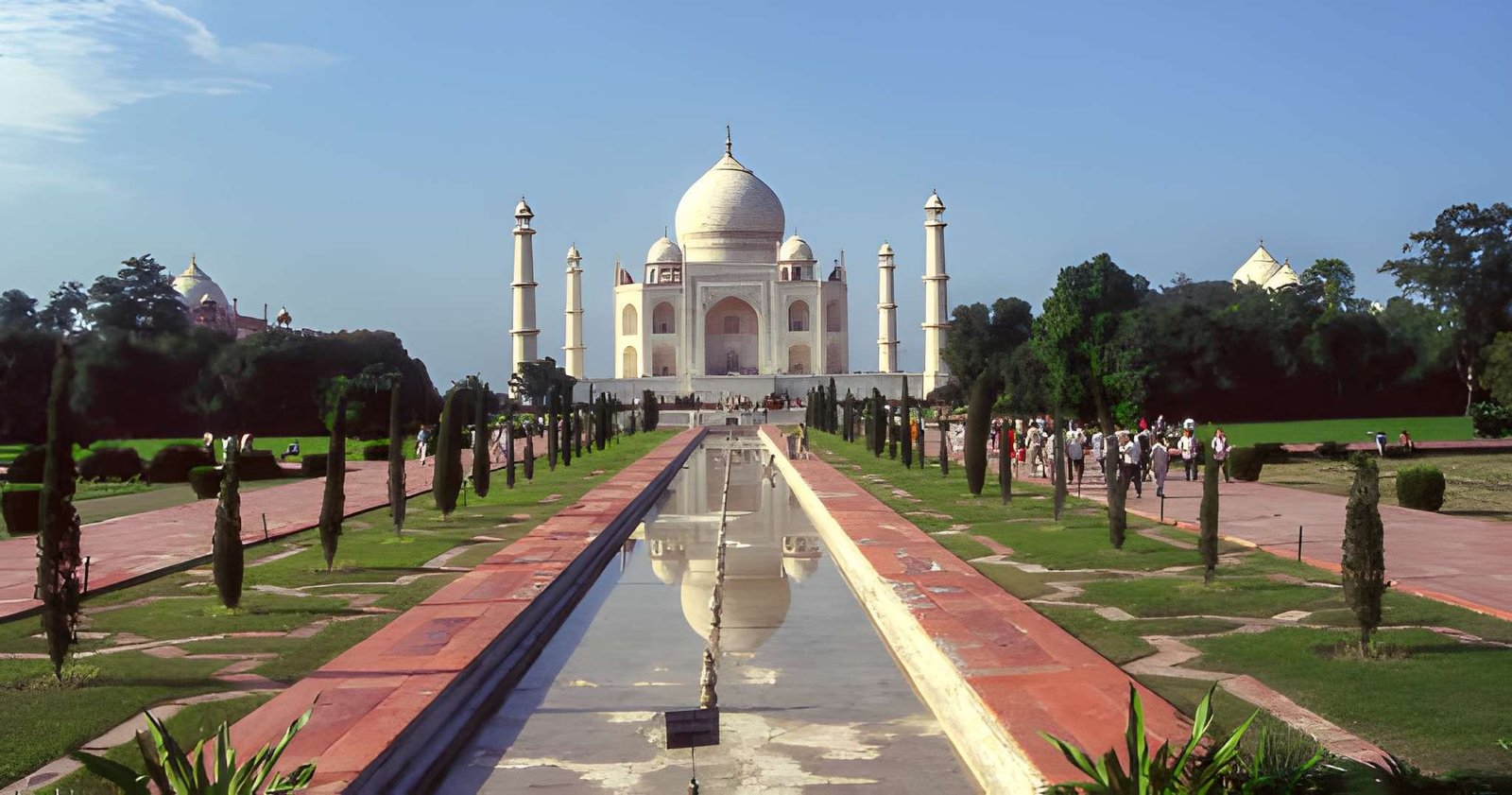
The Taj Mahal, one of the world’s most treasured monuments, stands as a symbol of love and architectural brilliance. However, climate change is emerging as a serious threat to its beauty, structure, and long-term survival.
Rising Pollution and Discoloration
Climate change is closely linked to worsening air pollution—and this is already affecting the Taj Mahal. Increased emissions from vehicles, industries, and urban growth release pollutants like sulfur dioxide and nitrogen oxides into the atmosphere. These pollutants settle on the marble surface, causing the once-pristine white façade to turn yellow or brown over time.
Fine particles such as dust and carbon also cling to the monument, dulling its shine and reducing its visual appeal.
Acid Rain and Marble Erosion
One of the most damaging effects of climate change is acid rain. As greenhouse gases and industrial emissions increase, rainwater becomes more acidic. When it falls on the Taj Mahal, it reacts with the marble, gradually eroding its surface and damaging intricate carvings.
This process, sometimes called “stone cancer,” weakens the structure and threatens the monument’s long-term durability.
Extreme Temperatures and Structural Stress
Climate change is also causing more extreme temperature fluctuations. The Taj Mahal’s marble expands in heat and contracts in cold, and repeated cycles of this can lead to cracks and structural weaknesses over time.
These subtle changes may not be visible immediately, but they can accumulate and compromise the integrity of the monument.
Water Pollution and Biological Damage
The nearby Yamuna River, heavily affected by pollution and changing environmental conditions, is another concern. Polluted water encourages the growth of insects and microorganisms, which leave stains and discoloration on the marble.
Additionally, nutrients and contaminants from the river can contribute to green and brown patches on the monument’s surface, further reducing its aesthetic value.
Emerging Threats: Microplastics and Tourism Impact
Recent research has even found microplastics settling on the Taj Mahal’s surfaces, adding a new layer of environmental stress. These particles can affect both the monument’s appearance and preservation costs.
As environmental conditions worsen, visitor experience may also decline, potentially impacting tourism and the local economy.
Protecting the Taj Mahal for the Future
Preserving the Taj Mahal requires urgent action—from reducing emissions to improving conservation efforts. Governments and environmental agencies are working to control pollution, but global cooperation is essential to address climate change at its root.
If you’re planning to visit this iconic wonder, now is the time to experience its beauty while supporting sustainable tourism. Book your visit easily through our website: https://ticketstajmahal.com and be part of preserving this masterpiece for generations to come.
Climate change is not just an environmental issue—it’s a cultural one. Protecting the Taj Mahal means protecting a piece of human history.





Comment (0)