


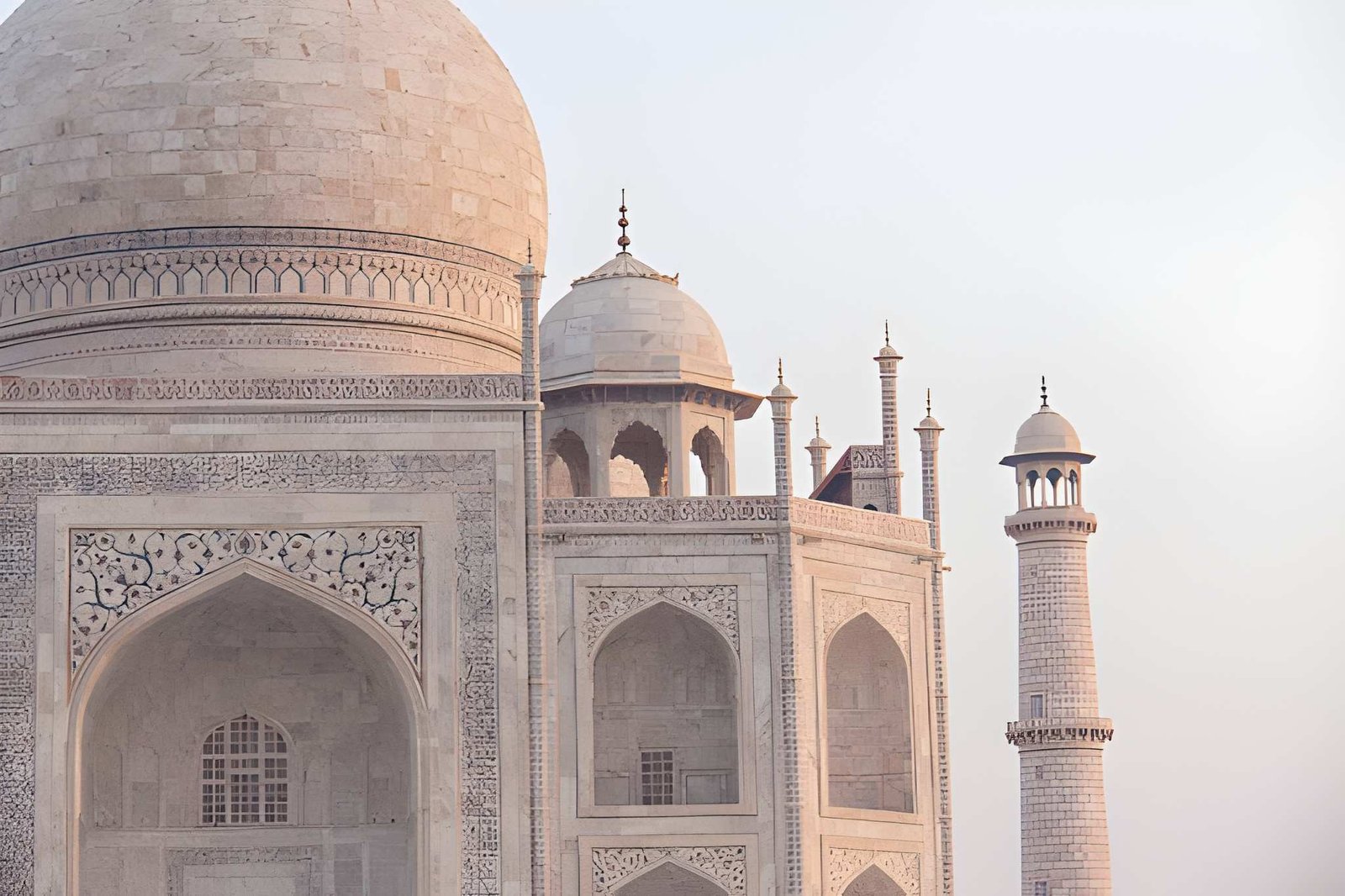
The Taj Mahal captures hearts across the globe with its elegance and meaning. Although it originates from India’s Mughal era, people from different cultures view and express its beauty in distinct ways.
A Symbol of Eternal Love Across Borders
In many Western cultures, people celebrate the Taj Mahal as a powerful symbol of romantic love. For example, couples often include it on their travel bucket lists and visit it to mark special occasions. Moreover, photographers and writers frequently highlight its glowing marble at sunrise and sunset, which creates a deeply emotional and intimate atmosphere.
Artistic Interpretations in Eastern Cultures
Meanwhile, in many Asian cultures, artists emphasize the Taj Mahal’s symmetry and harmony. In countries like Japan and China, painters and poets often focus on balance and tranquility rather than romance. As a result, their work reflects a sense of peace and spiritual depth that aligns with traditional artistic values.
Middle Eastern Perspectives: A Masterpiece of Islamic Art
Similarly, many people in the Middle East admire the Taj Mahal for its Islamic architectural elements. They appreciate the geometric patterns, intricate calligraphy, and carefully designed gardens. In addition, these features connect strongly with artistic traditions across the region, making the monument both culturally and spiritually significant.
Western Pop Culture and Media Influence
At the same time, Western media presents the Taj Mahal as a global icon. Films, documentaries, and social media platforms often showcase its beauty in highly visual and stylized ways. Consequently, these portrayals shape how international audiences imagine and experience the monument before they even visit.
Local Indian Perspective: Pride and Heritage
On the other hand, people in India view the Taj Mahal as a symbol of national pride and heritage. They celebrate its history, craftsmanship, and cultural importance. Furthermore, many locals value the stories of the artisans who built it, which adds a deeper layer of meaning beyond its visual beauty.
A Universal Experience, A Personal Meaning
Ultimately, the Taj Mahal creates a unique impression on every visitor. While some see romance, others admire its design or cultural richness. Nevertheless, its beauty connects people from all backgrounds and continues to inspire admiration worldwide.
Plan Your Visit
If you want to truly understand its global appeal, you should experience the Taj Mahal in person. As you explore its gardens and admire its changing colors throughout the day, you will discover why it fascinates so many cultures.
Book your visit today and explore this wonder firsthand:
https://ticketstajmahal.com
In conclusion, the Taj Mahal unites different cultural perspectives through its timeless beauty, making it one of the most cherished landmarks in the world.





Comment (0)