


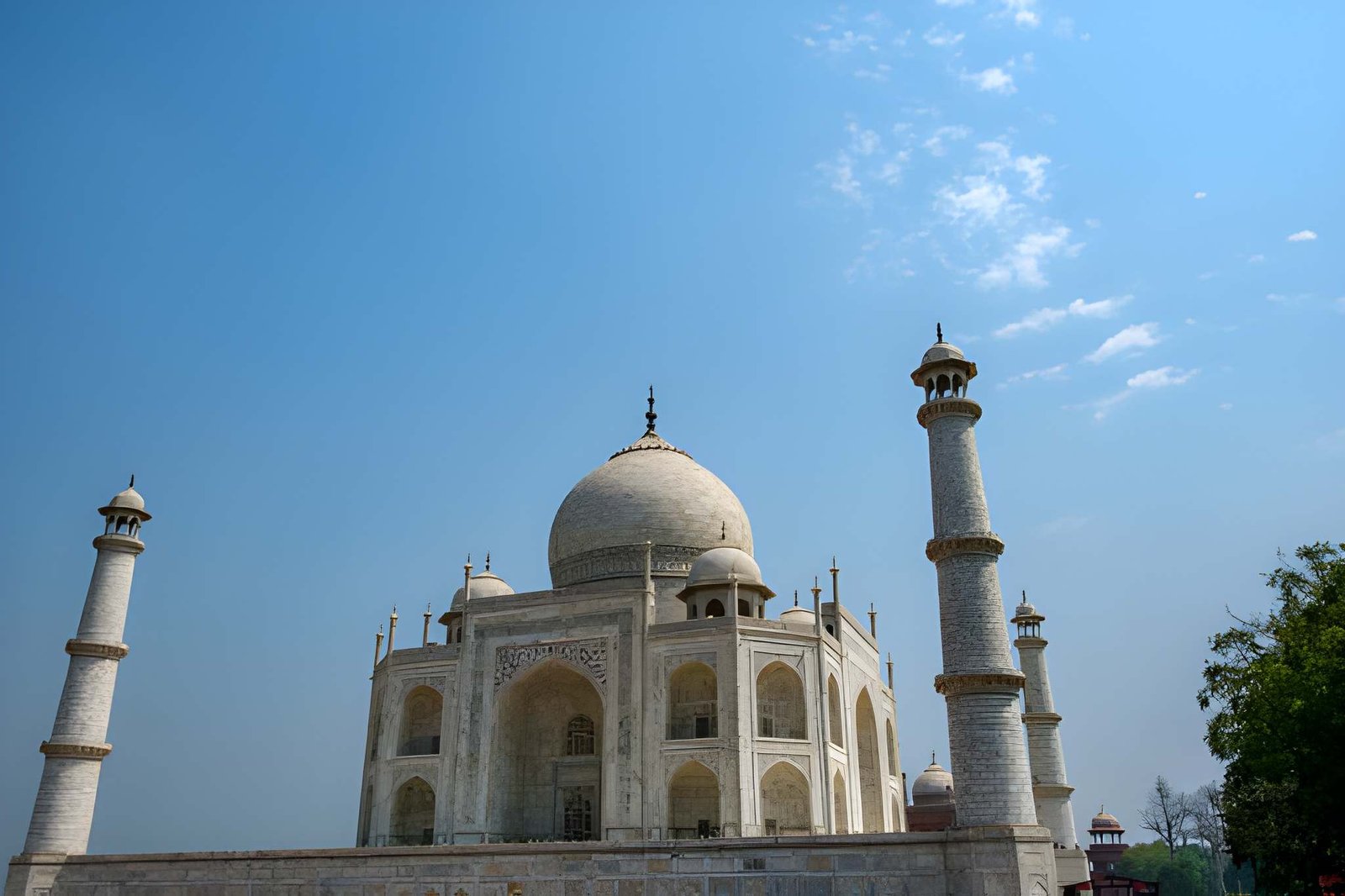
The Taj Mahal stands as one of the most admired landmarks in the world. While many people associate it with love, different cultures see it through very different lenses.
A Universal Symbol of Love
Many cultures, especially in the West, view the Taj Mahal as the ultimate symbol of romance. Emperor Shah Jahanbuilt it in memory of his wife Mumtaz Mahal, and that story continues to inspire millions.
Writers, filmmakers, and travelers often highlight this emotional connection. As a result, visitors frequently arrive expecting a powerful and romantic experience.
A Spiritual Vision of Paradise
In Islamic tradition, the Taj Mahal reflects a vision of paradise. Its gardens, symmetry, and flowing water symbolize heaven as described in sacred texts.
Designers carefully planned every detail—from geometric patterns to the way light touches the marble—to reflect harmony and divine balance. Many visitors feel a sense of calm and spirituality as they walk through the complex.
A Fusion of Cultures and Art
Across South Asia, people often celebrate the Taj Mahal as a masterpiece of cultural blending. Its architecture combines Persian, Indian, and Central Asian influences into one unified design.
This fusion tells a deeper story. It shows how different traditions can come together to create something timeless. For many, the monument represents harmony between cultures rather than just a single narrative.
A Statement of Power and Legacy
Some historians and cultural observers focus on a different interpretation. They see the Taj Mahal as a symbol of wealth, ambition, and imperial strength.
The Mughal Empire invested vast resources into its construction. The scale, craftsmanship, and materials reflect authority and vision. From this perspective, the monument represents both love and legacy.
A Global Cultural Icon
Today, the Taj Mahal represents more than history—it reflects identity. People around the world recognize it as a symbol of India’s heritage, beauty, and artistic excellence.
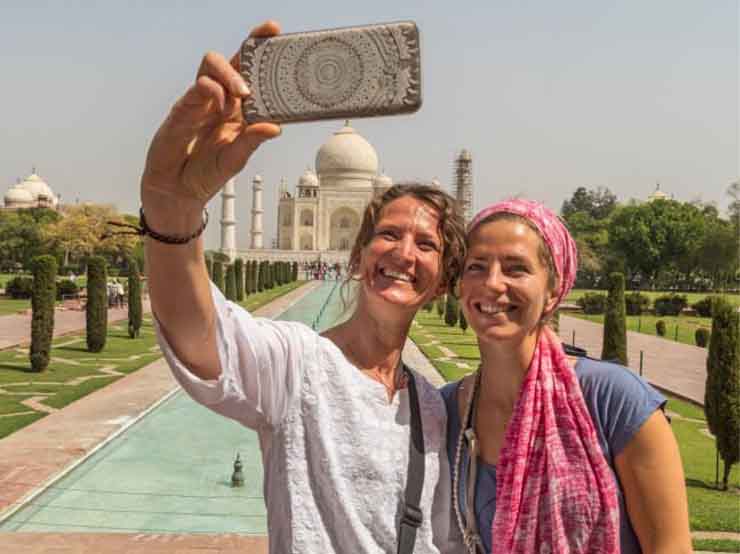
Each visitor brings their own perspective. Some see romance, others see spirituality, and many simply admire its design. This variety of interpretations keeps the Taj Mahal relevant across cultures and generations.
Experience It for Yourself
No description can fully capture the experience of seeing the Taj Mahal in person. Its beauty, scale, and atmosphere create a moment that feels unique to every visitor.
If you’re planning your trip, you can book your visit easily here: https://ticketstajmahal.com





Comment (0)