


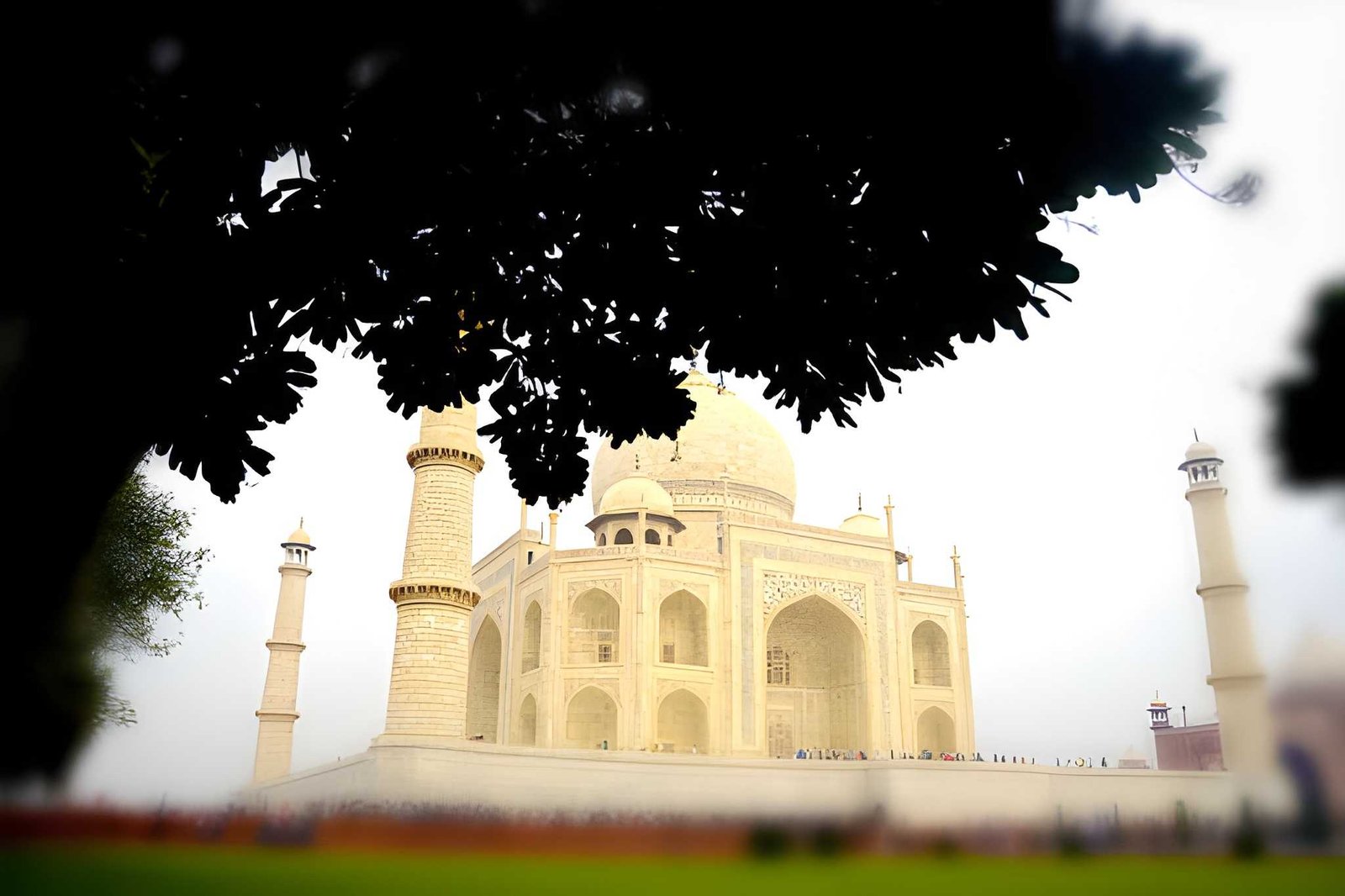
The Taj Mahal has always been a symbol of love and architectural beauty. But in the digital age, our perception of this iconic monument has been transformed—largely by online content. From Instagram photos to travel vlogs, the way we imagine and experience the Taj Mahal today is deeply influenced by what we see online.
The Rise of the “Perfect Taj Mahal” Image
Social media platforms have turned the Taj Mahal into one of the most photographed landmarks in the world. Carefully curated images—featuring glowing marble, empty gardens, and flawless reflections—have created an almost dreamlike version of the monument.
These visuals inspire millions to visit, expanding global awareness and tourism. Online platforms now play a key role in travel decisions, helping people discover destinations and plan trips more easily than ever before.
However, this polished portrayal often removes real-world context, setting expectations that may not match reality.
The Gap Between Online and Real Experience
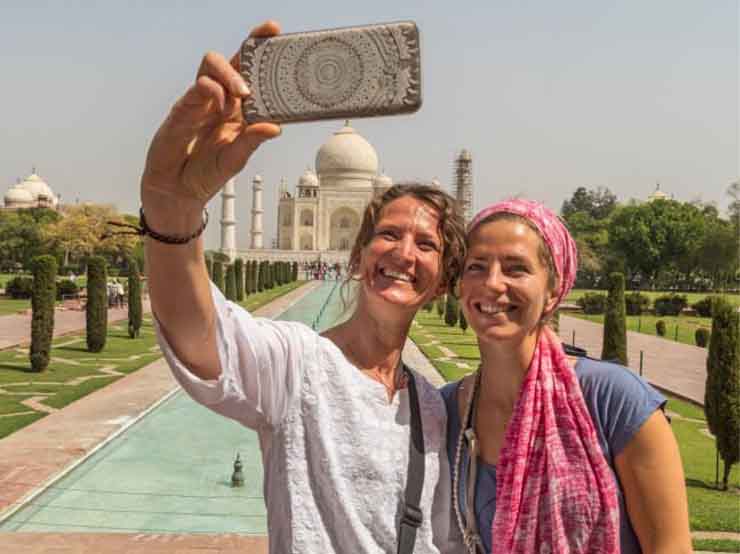
While online images present serenity, the real Taj Mahal is a lively and busy place. Visitors encounter crowds, security checks, and the vibrant energy of Agra city. Many social media posts intentionally frame photos to exclude these elements.
As one source highlights, the “Instagram version” often contrasts sharply with the actual experience, where crowds and surroundings are part of the visit.
This doesn’t diminish the beauty of the Taj Mahal—it simply adds depth and realism that online content sometimes overlooks.
Viral Content and Changing Narratives
Online content doesn’t just idealize—it also reveals. Viral videos and travel blogs have exposed lesser-seen aspects, such as environmental concerns or the conditions around the monument. These posts spark global conversations and encourage more responsible tourism.
At the same time, authentic traveler experiences shared online often remind us that the Taj Mahal is even more breathtaking in person than in photos. Many visitors report that no image truly captures its scale and emotional impact.
“Pictures honestly do it no justice… I was in awe.”
Technology Is Transforming the Visit
Beyond perception, online tools have changed how we experience the Taj Mahal. Digital ticketing, virtual tours, and mobile guides have made visiting more convenient and interactive.
Travelers can now plan their visit in advance, avoid long queues, and explore the monument with deeper historical insights—all thanks to technology.
A More Informed Traveler
Today’s travelers arrive with more knowledge than ever before. They’ve seen photos, watched videos, and read reviews. This creates a more informed but also more expectation-driven audience.
Online content has turned the Taj Mahal from just a destination into a global visual experience—one that exists both on-screen and in reality.
Experience the Real Taj Mahal
While online content shapes perception, nothing compares to standing before the Taj Mahal in person. Its scale, symmetry, and atmosphere are far more powerful than any screen can convey.
If you’re ready to experience it for yourself, plan your visit with ease and skip the hassle—book your tickets now at:
👉 https://ticketstajmahal.com
Discover the Taj Mahal beyond the filters—and see why it continues to captivate the world.





Comment (0)