


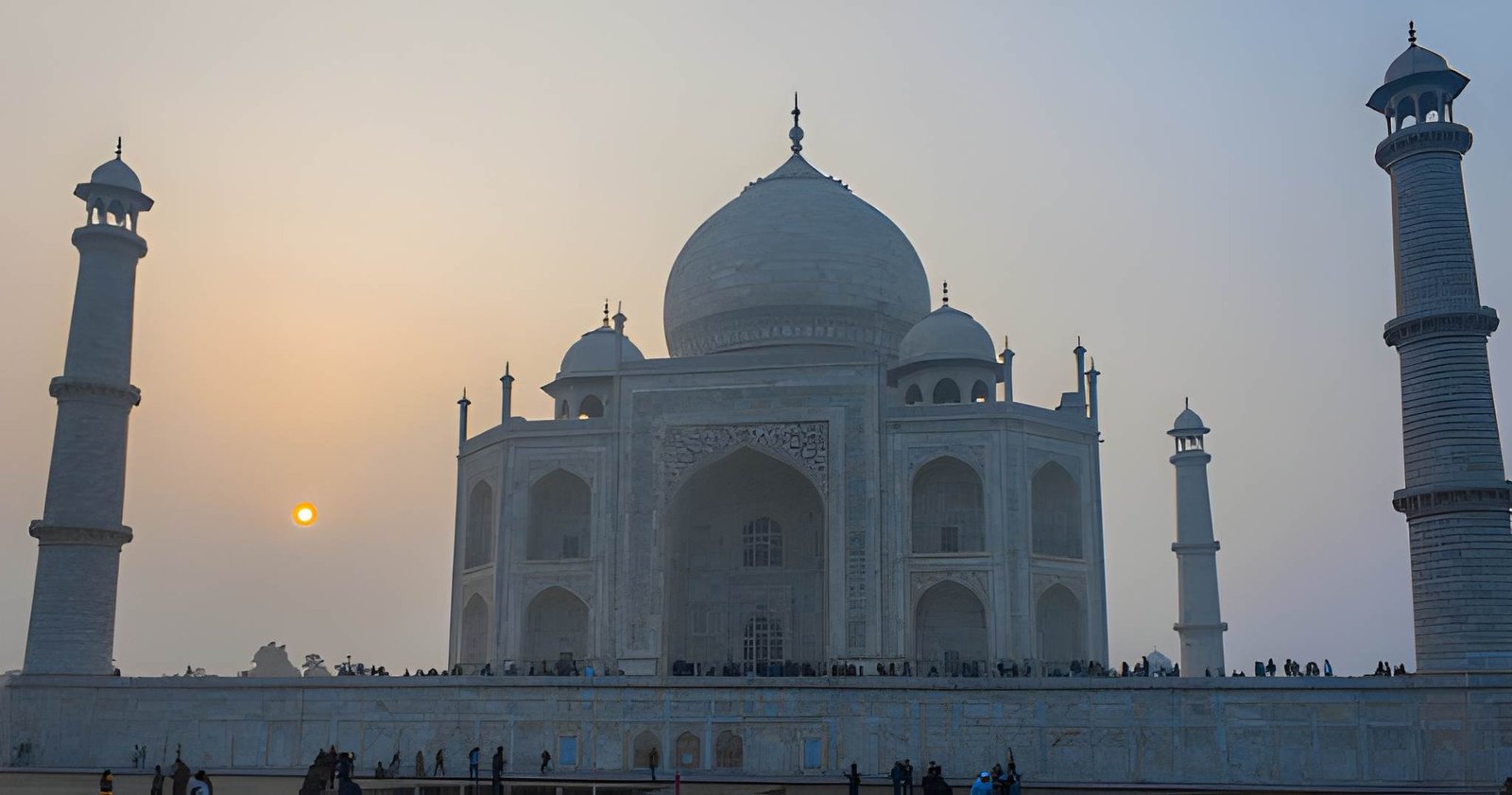
The Emotional Lens of a Timeless Monument
The Taj Mahal is more than a marble masterpiece—it is a deeply emotional experience. Built by Emperor Shah Jahan in memory of his beloved wife Mumtaz Mahal, it stands as a global symbol of love and loss . Yet, no two visitors describe it the same way. Personal experiences, cultural backgrounds, and emotional states all influence how people perceive and narrate their visit.
First-Time Visitors vs. Seasoned Travelers
For first-time visitors, the Taj Mahal often evokes awe and wonder. The symmetry, the glowing white marble, and the romantic story behind it create a sense of enchantment. Many describe it as “breathtaking” or “dreamlike.”
Seasoned travelers, however, may focus on details—architecture, craftsmanship, or historical context. They might notice the intricate pietra dura inlay work or the way the monument changes color with light . Their descriptions tend to be more analytical, yet equally appreciative.
Cultural Background and Interpretation
Cultural perspective plays a significant role in shaping descriptions. Visitors from different parts of the world may interpret the Taj Mahal through their own traditions and beliefs.
- Some see it primarily as a romantic symbol.
- Others view it as a masterpiece of Mughal architecture.
- Some interpret it spiritually, reflecting themes of paradise and eternity embedded in its design.
These varied interpretations highlight how personal and cultural lenses influence storytelling.
The Role of Emotions in Storytelling
A traveler visiting during a honeymoon may describe the Taj Mahal as the ultimate symbol of love. Someone traveling solo might reflect on its tranquility and solitude. Meanwhile, a history enthusiast could emphasize its construction—over 20,000 workers and decades of craftsmanship .
Even the time of day matters. Sunrise visits often inspire poetic descriptions, while sunset views bring out a sense of calm reflection. The monument’s ability to change color with light further enhances these emotional responses.
Social Media and Modern Perspectives
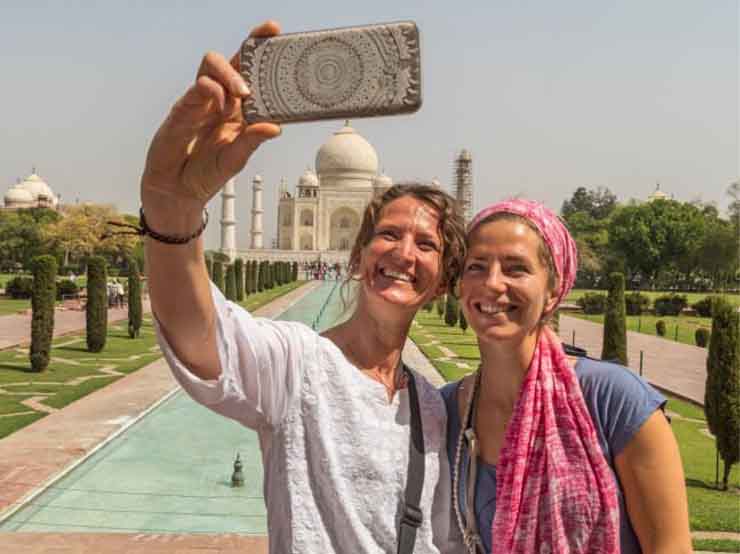
In today’s digital world, personal experience is often shared instantly. Social media has transformed how the Taj Mahal is described—short captions, aesthetic photos, and personal reflections dominate modern narratives.
While some focus on capturing the “perfect shot,” others use platforms to share meaningful stories or cultural insights. This blend of visual and emotional storytelling continues to shape how the monument is perceived globally.
Why Every Description Is Unique
The Taj Mahal’s universal appeal lies in its ability to connect with individuals on a personal level. Whether seen as a love story carved in stone or an architectural wonder, each visitor brings their own perspective.
This diversity of experiences ensures that descriptions of the Taj Mahal remain rich, varied, and deeply human.
Plan Your Own Taj Mahal Experience
Your experience will shape your story. Whether it’s your first visit or a return journey, the Taj Mahal offers something new every time.
Explore and create your own unforgettable memories—book your visit today at https://ticketstajmahal.com and discover the monument through your own unique lens.





Comment (0)