


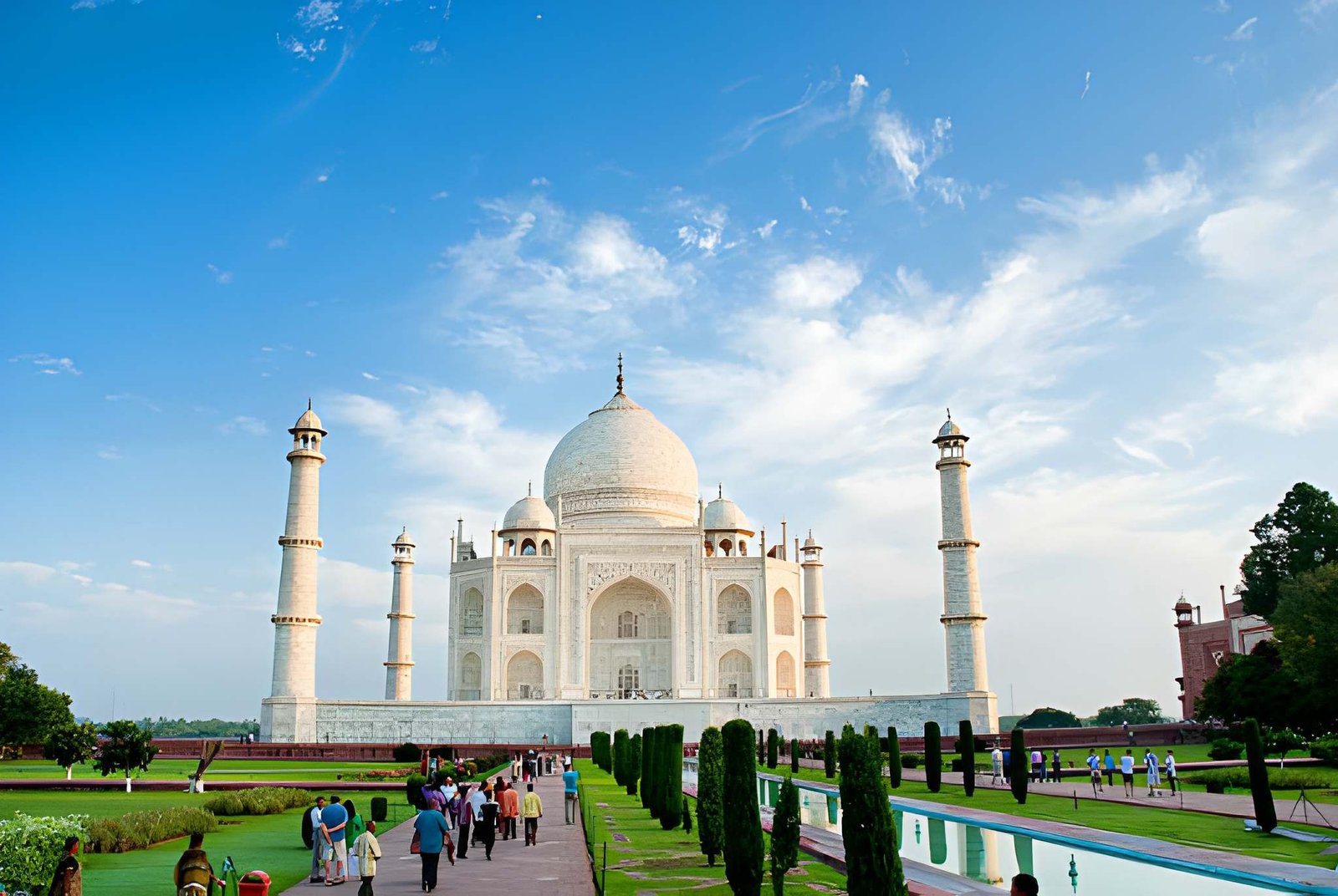
The Taj Mahal is more than a symbol of love—it’s a cornerstone of India’s tourism industry. From ticket revenue to job creation, this iconic monument plays a vital role in shaping the country’s economic landscape.
A Global Magnet for Tourists
The Taj Mahal consistently ranks as India’s most visited monument, attracting millions of travelers annually. In the 2024–25 financial year alone, it welcomed over 6.9 million visitors, including both domestic and international tourists.
Its global recognition as a UNESCO World Heritage Site makes it a must-see destination, drawing visitors from across the world and positioning India as a major cultural tourism hub.
A Major Revenue Generator
Tourism revenue from the Taj Mahal is substantial. In FY 2023–24, it generated approximately ₹98.7 crore (nearly $12 million USD) in ticket sales—making it the highest-earning monument in India.
This revenue contributes significantly to the preservation of historical sites and supports broader tourism infrastructure across the country.
Boosting Local Economies
The economic impact of the Taj Mahal extends far beyond ticket sales. The steady influx of tourists fuels businesses in nearby cities like Agra, including:
- Hotels and accommodations
- Restaurants and cafes
- Local transport services
- Handicraft and souvenir markets
Thousands of jobs depend directly or indirectly on tourism tied to the Taj Mahal, making it a key driver of employment in the region.
Strengthening India’s Tourism Sector
India’s tourism sector contributes around 5% of the country’s GDP, and landmarks like the Taj Mahal play a central role in sustaining this contribution.
The monument is also a core part of India’s famous “Golden Triangle” tourist circuit (Delhi–Agra–Jaipur), which significantly boosts international travel demand.
Cultural Influence and Soft Power
Beyond economics, the Taj Mahal enhances India’s global image. Its timeless architecture and romantic history make it one of the most recognizable landmarks in the world, strengthening India’s cultural influence and attracting repeat tourism.
The Future of Taj Mahal Tourism
With rising visitor numbers and continued global interest, the Taj Mahal will remain a key pillar of India’s tourism economy. Investments in digital ticketing, infrastructure, and sustainable tourism practices are helping ensure its long-term impact.
Plan Your Visit
Experience the beauty and history of the Taj Mahal for yourself. Book your tickets easily and securely at:
👉 https://ticketstajmahal.com
Start your journey to one of the world’s greatest wonders today.





Comment (0)