


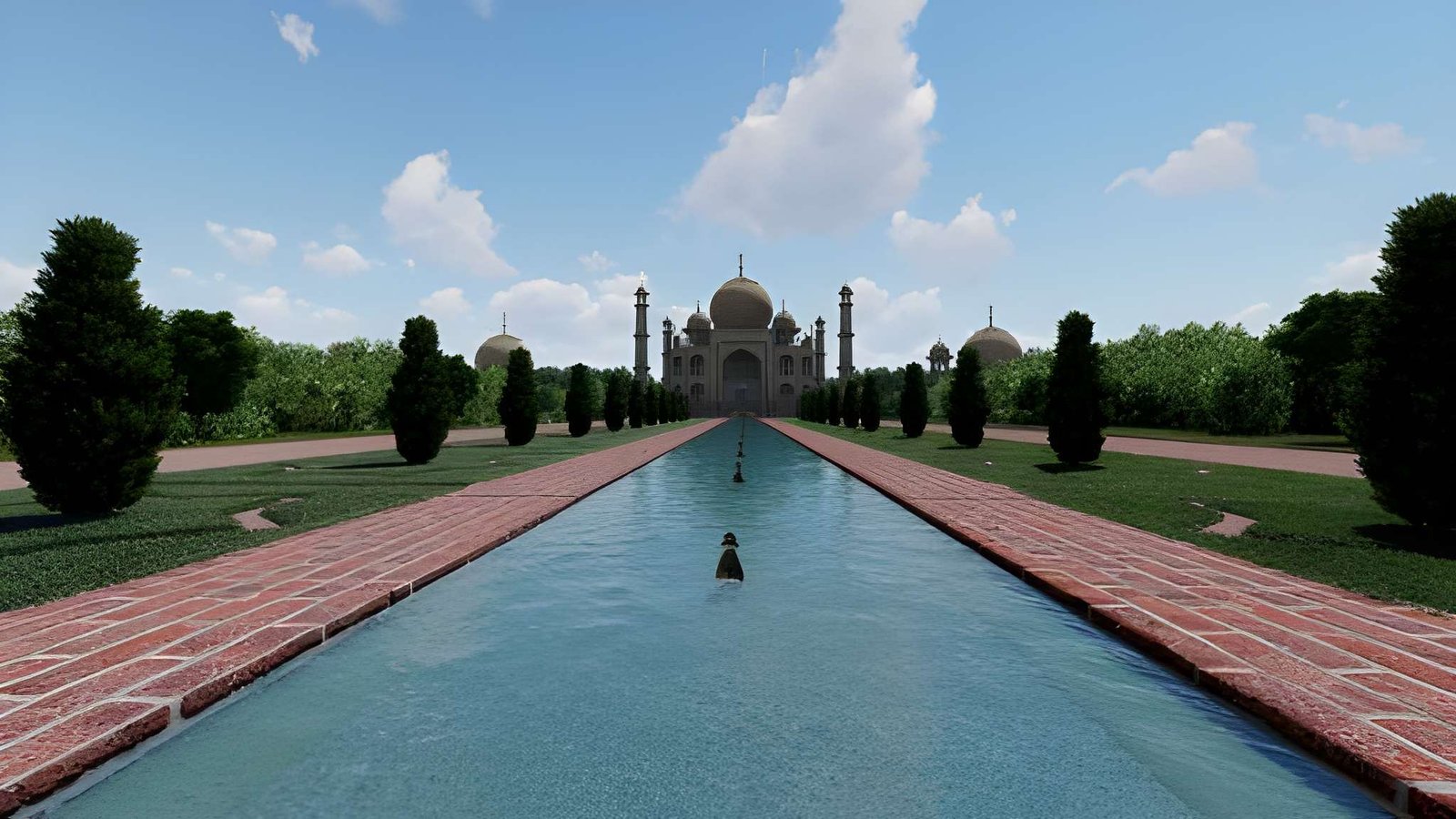
The Taj Mahal stands as more than an architectural masterpiece—it lives as a timeless symbol in stories, poetry, and cultural narratives worldwide. From romantic legends to philosophical reflections, writers and storytellers continue to draw inspiration from it.
A Symbol of Eternal Love
Most narratives present the Taj Mahal as the ultimate expression of love. Emperor Shah Jahan built it in memory of his beloved wife Mumtaz Mahal, and many writers call it a “monument to eternal devotion.”
Stories often highlight the emotional depth behind its creation, showing how grief transformed into beauty. Poets and authors have long romanticized this story, presenting the monument as a lasting symbol of love that transcends time.
The Taj Mahal in Poetry and Literature
In literature, writers describe the Taj Mahal with lyrical and symbolic language. Mughal court poets compared Mumtaz Mahal’s beauty to celestial light, even suggesting that the moon “hid in shame” before her radiance.
Writers across cultures echo this imagery and describe the Taj as:
- A “tear on the cheek of time”
- A “dream in marble”
- A “palace of love and loss”
These descriptions lift the monument beyond history and turn it into a powerful metaphor for human emotion and artistic perfection.
A Vision of Paradise
Many narratives move beyond romance and present the Taj Mahal as a vision of paradise. Its gardens, symmetry, and white marble design reflect the idea of a heavenly abode on earth.
Storytellers often use this imagery to connect love, death, and eternity. The marble shifts color with sunlight and moonlight, and many describe this effect as mystical, giving the structure an almost living presence.
Myths and Legends
Over time, storytellers have added layers of myth to the Taj Mahal. Popular tales include:
- The legend of a “Black Taj Mahal” as a mirror monument
- Stories claiming craftsmen lost their ability to recreate its beauty
Historians question these tales, yet they continue to spark curiosity and add drama to the monument’s story.
A Cultural and Global Icon
Modern narratives present the Taj Mahal as a global symbol of love, artistic brilliance, and cultural identity.
Travel writers portray it as a meeting point of history and emotion, while filmmakers and novelists use it as a powerful backdrop for romance and reflection. Its worldwide recognition keeps it central in storytelling across generations.
Experience the Story Yourself
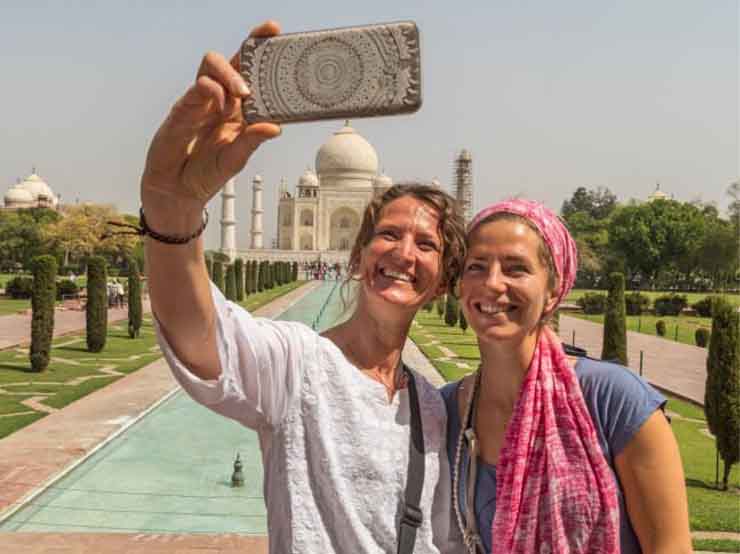
You can truly understand the Taj Mahal only by visiting it in person. Every detail reveals a story of love, art, and history. Plan your visit today, explore guided experiences, and book your tickets easily through https://ticketstajmahal.com to make your journey unforgettable.
From poetic metaphors to legendary tales, the Taj Mahal lives not only in marble but also in the stories that continue to inspire the world.





Comment (0)