


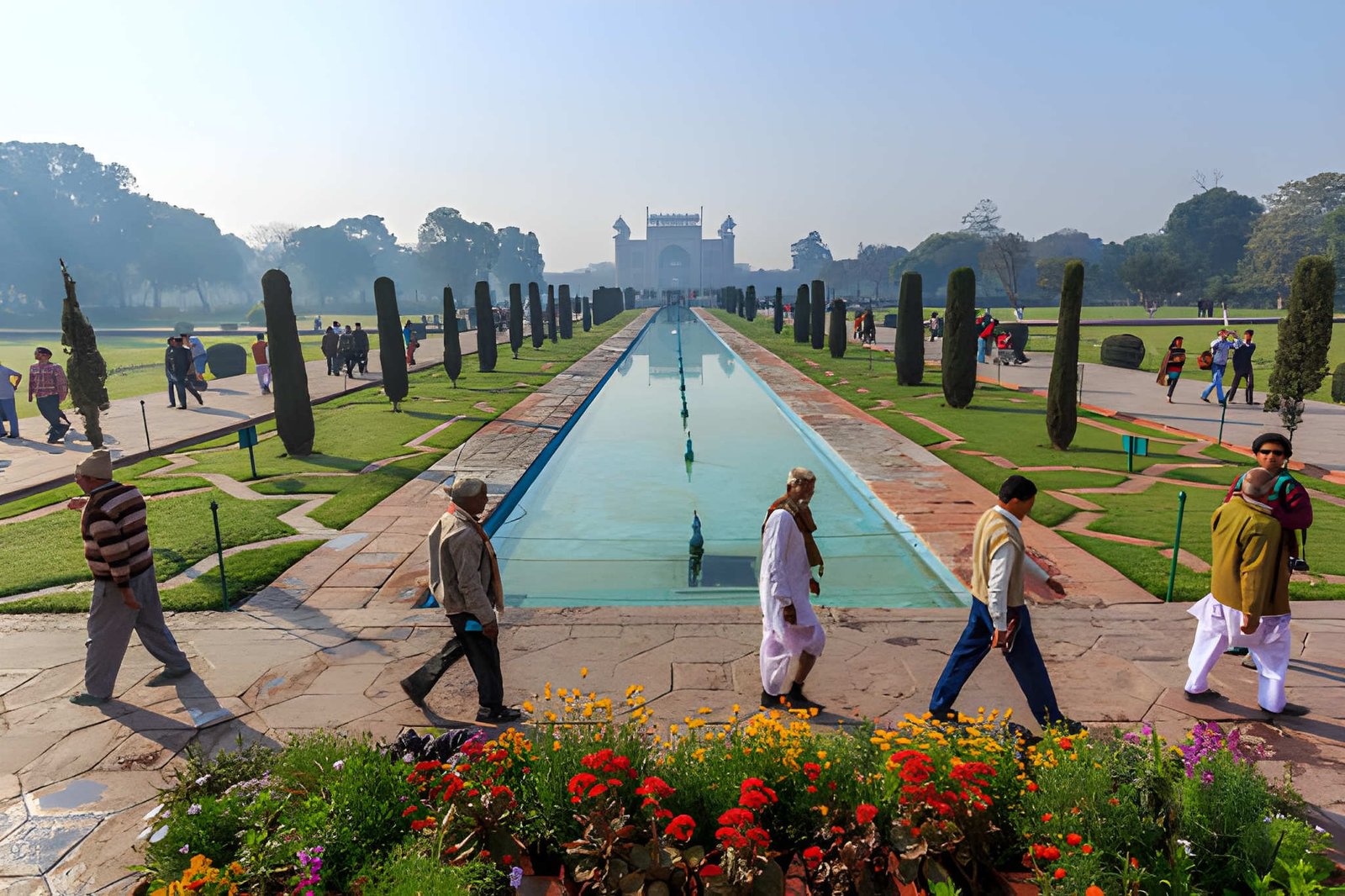
Visiting the Taj Mahal is a dream for travelers worldwide, but your experience can vary greatly depending on the weather. From intense summer heat to winter fog, understanding seasonal conditions can help you plan a more comfortable and memorable visit.
Summer Heat: Beauty Under the Sun
Agra’s summers (April to June) are extremely hot, with temperatures often exceeding 40°C (104°F). While the bright sunlight enhances the white marble’s glow, the heat can be exhausting.
How it affects comfort:
- Long exposure to heat can cause fatigue and dehydration
- Walking barefoot on marble surfaces becomes uncomfortable
- Crowds tend to thin out midday due to the heat
Tips:
Visit early in the morning or near sunset, wear breathable clothing, and stay hydrated.
Monsoon Season: Refreshing but Unpredictable
From July to September, the monsoon brings rain and cooler temperatures. The gardens around the Taj Mahal appear lush and vibrant during this time.
How it affects comfort:
- Sudden rain showers can interrupt your visit
- Humidity levels rise, making it feel sticky
- Fewer tourists mean a quieter experience
Tips:
Carry an umbrella or raincoat and wear non-slip footwear for wet pathways.
Winter Chill and Fog: A Mixed Experience
Winter (October to February) is considered the most comfortable season temperature-wise, ranging from 8°C to 25°C (46°F to 77°F). However, fog can impact visibility, especially in the early morning.
How it affects comfort:
- Pleasant temperatures make walking enjoyable
- Fog may obscure the monument, affecting photos
- Peak tourist season means larger crowds
Tips:
Plan your visit for late morning or early afternoon when the fog usually clears.
Sunrise and Sunset: The Ideal Moments
Regardless of the season, sunrise and sunset offer the most magical views of the Taj Mahal. The changing light creates stunning reflections on the marble, while temperatures are typically more comfortable.
How it affects comfort:
- Cooler temperatures enhance your experience
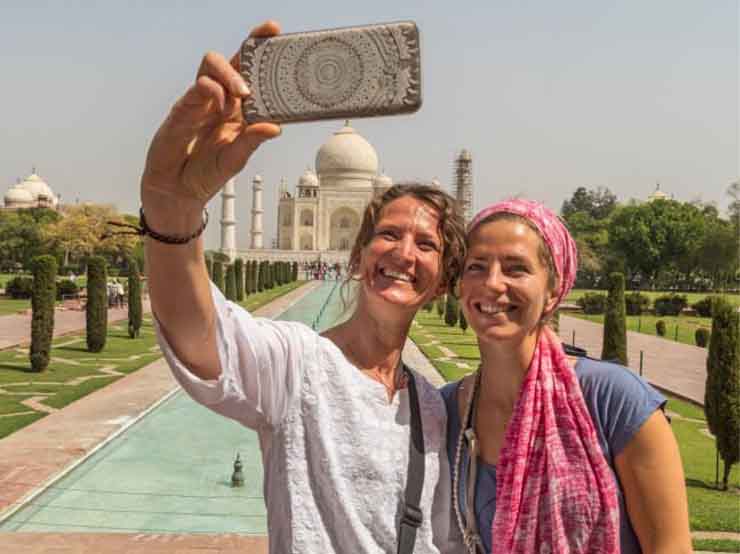
- Softer lighting improves photography
- Less crowded compared to midday hours
Choosing the Best Time for You
Your ideal visit depends on your priorities:
- For comfort: Winter months are best
- For fewer crowds: Monsoon season offers tranquility
- For dramatic visuals: Early mornings year-round are unbeatable
Plan Ahead for a Better Experience
Weather can make or break your visit, but with the right preparation, you can enjoy the Taj Mahal in any season. Booking your tickets in advance also helps you avoid long queues and focus on the experience.
👉 Secure your entry and plan your visit easily at: https://ticketstajmahal.com
A little planning goes a long way in ensuring your visit to this iconic monument is as comfortable as it is unforgettable.





Comment (0)