


Few landmarks in the world evoke as much wonder, romance, and artistic inspiration as the Taj Mahal. For centuries, writers have tried to translate its breathtaking beauty into words—an almost impossible task. Yet, through creativity and emotion, they continue to bring its essence alive for readers around the world.
Painting with Words: Visual Imagery
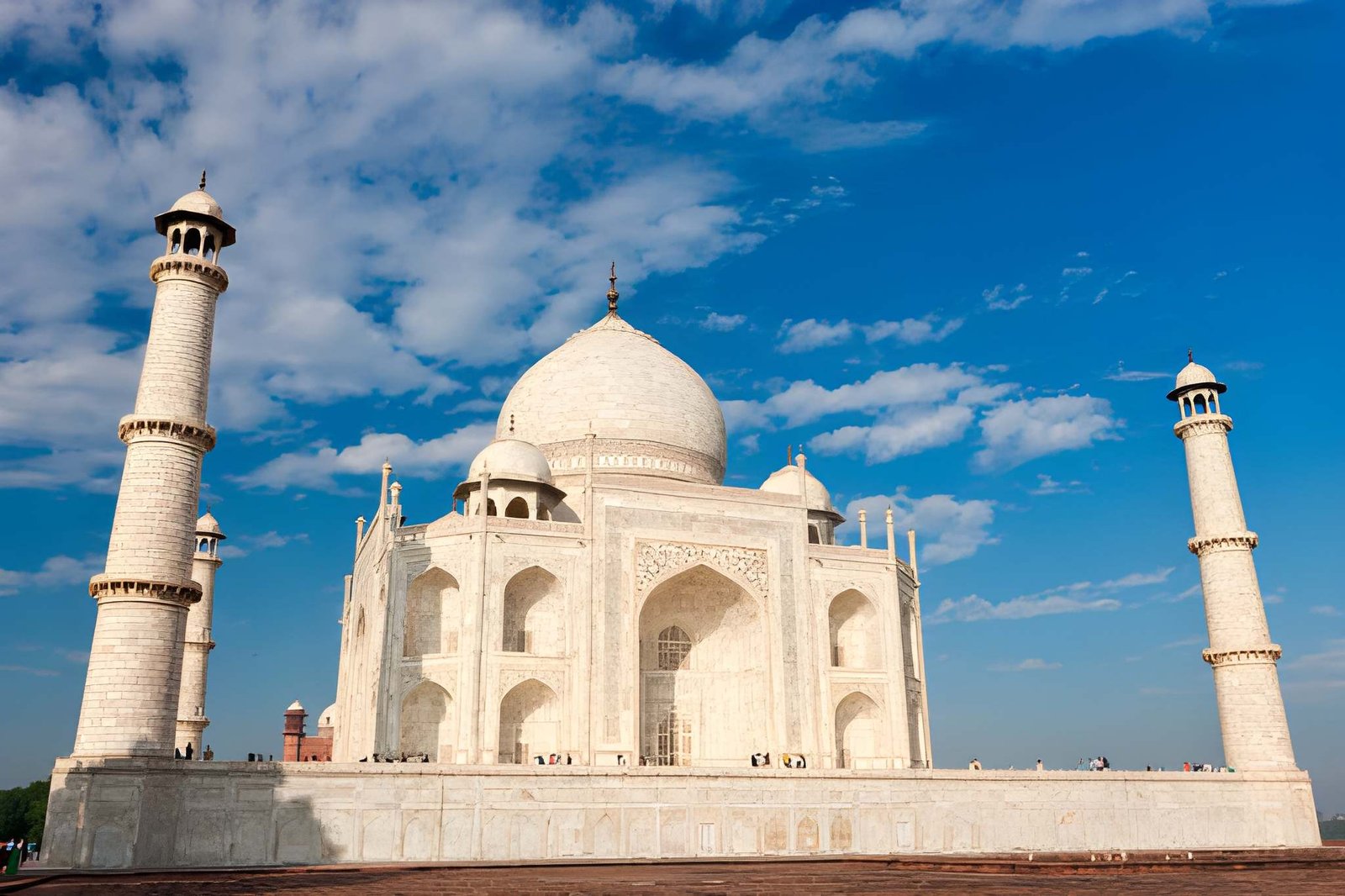
Writers often begin by describing the Taj Mahal’s physical beauty. The gleaming white marble, the symmetry of its domes, and the way sunlight transforms its color throughout the day—all become vivid scenes on the page.
Instead of simply stating facts, skilled writers use sensory language. They describe how the monument glows pink at sunrise, dazzling white at noon, and golden under the moonlight. These details allow readers to “see” the Taj Mahal without being there.
Capturing Emotion and Romance
The Taj Mahal is not just architecture—it’s a symbol of love. Built by Emperor Shah Jahan in memory of Mumtaz Mahal, it carries a deeply emotional story. Writers tap into this narrative to connect with readers on a personal level.
They explore themes of eternal love, loss, and devotion, often framing the monument as more than stone—almost like a living memory. This emotional layer is what transforms a simple description into a moving experience.
Blending History with Storytelling
Great writing about the Taj Mahal doesn’t stop at beauty. It weaves in history to add depth and meaning. Writers often recount the Mughal era, the craftsmanship behind the monument, and the cultural significance it holds today.
By blending facts with storytelling, they create a richer narrative. Readers don’t just learn—they feel immersed in a different time and place.
Using Perspective and Personal Experience
Many writers bring their own journeys into their work. Whether it’s their first glimpse of the Taj Mahal or a quiet moment spent in its gardens, personal experiences make the writing authentic.
These perspectives help readers relate. Instead of distant admiration, the Taj Mahal becomes something intimate—something felt.
The Power of Simplicity
Interestingly, some of the most powerful writing about the Taj Mahal is simple and restrained. Rather than overloading descriptions, writers sometimes let the monument speak for itself. A few well-chosen words can often convey more than elaborate prose.
Experience It for Yourself
While words can inspire, nothing compares to seeing the Taj Mahal in person. If you’re planning your visit, explore your options and make it seamless through our trusted platform: https://ticketstajmahal.com
Let the beauty that has inspired generations of writers unfold before your own eyes—and perhaps, inspire your story too.





Comment (0)