


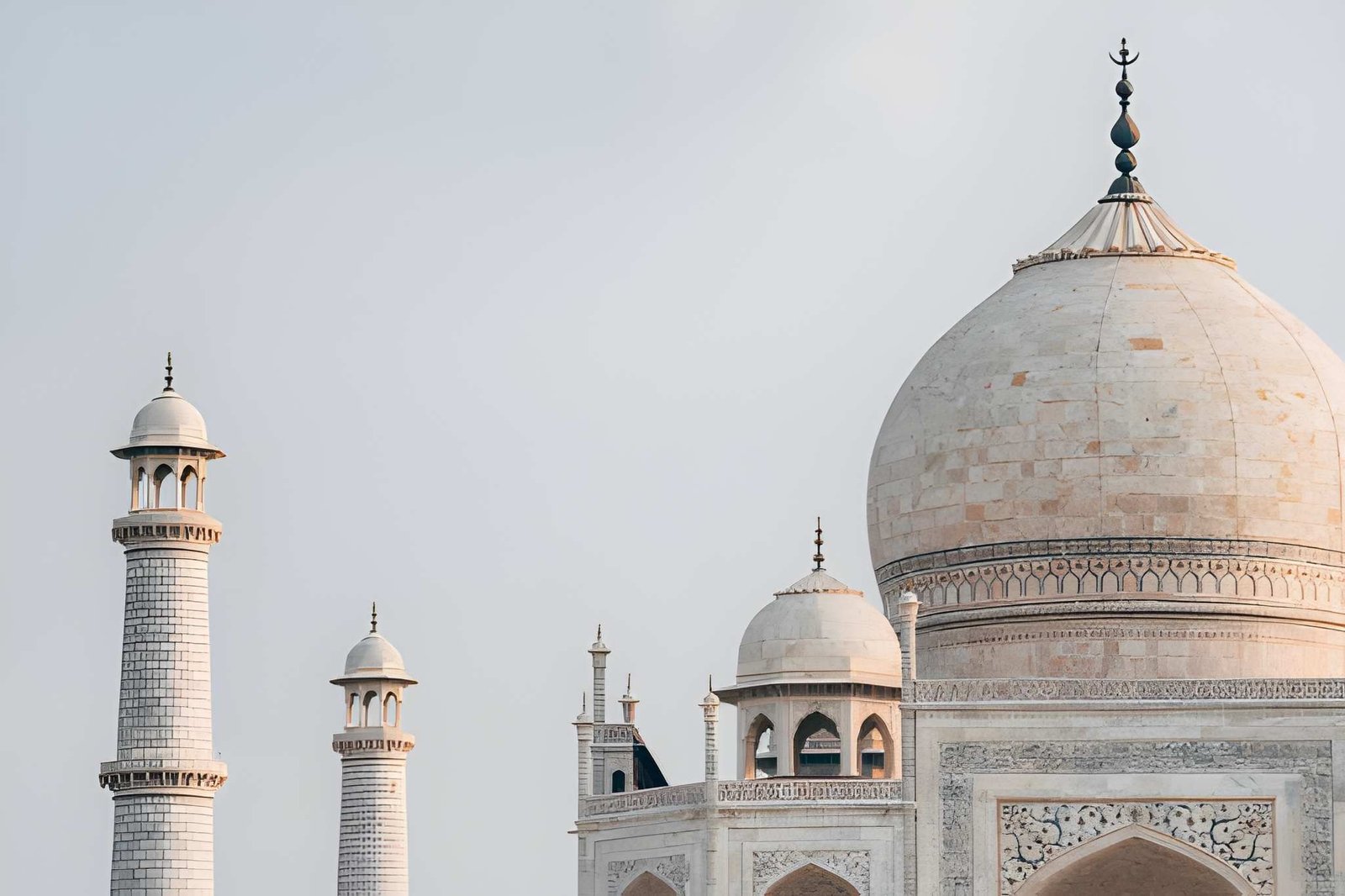
A Glimpse into the Mughal World
The Taj Mahal, built in the 17th century, is more than a symbol of love—it is a window into the grandeur of the Mughal Empire. During the reign of Emperor Shah Jahan, Agra was a thriving imperial capital filled with art, architecture, trade, and cultural exchange. The empire itself was one of the richest and most powerful in the world, stretching across much of the Indian subcontinent.
Life in this era revolved around royal courts, bustling bazaars, skilled artisans, and elaborate celebrations that reflected a deep appreciation for beauty and craftsmanship.
The Royal Court and Daily Life
At the heart of Mughal society was the emperor’s court. Nobles, poets, musicians, scholars, and foreign ambassadors gathered in lavish palaces decorated with marble, gold, and intricate carvings.
The emperor was not only a ruler but also a patron of the arts. Under Shah Jahan, architecture reached its peak, with masterpieces like the Taj Mahal and the Red Fort in Delhi. Court life followed strict etiquette, and every gesture symbolized status and power.
Meanwhile, outside the palace walls, ordinary people lived very different lives. Farmers cultivated crops along the fertile lands near the Yamuna River, while merchants traded silk, spices, and precious stones in busy markets.
Artisans Behind the Taj Mahal
One of the most fascinating aspects of this era was the craftsmanship behind monuments like the Taj Mahal. Over 20,000 artisans, including stonecutters, calligraphers, painters, and architects, contributed to its creation.
These skilled workers came from across India, Persia, the Ottoman Empire, and Central Asia. Their combined expertise produced the white marble masterpiece we admire today. The intricate floral inlays and geometric patterns reflect a blend of cultural influences that defined Mughal art.
Culture, Faith, and Inspiration
Religion and culture played a central role in shaping Mughal life. Islamic traditions influenced architecture and daily customs, while the empire also embraced elements from Hindu, Persian, and Central Asian cultures.
Poetry and music flourished in royal courts, often inspired by themes of love, devotion, and nature. The Taj Mahal itself was inspired by deep personal grief and love—built by Shah Jahan in memory of his wife Mumtaz Mahal.
As noted in historical records, the monument was designed not just as a tomb, but as a vision of paradise on earth.
The Legacy That Lives On
Today, the Taj Mahal stands as one of the Seven Wonders of the World and a UNESCO World Heritage Site. Millions of visitors come every year to witness its timeless beauty and learn about the empire that created it.
Walking through its gates allows you to imagine a world where emperors ruled from marble palaces, artisans shaped history with their hands, and love stories were carved into stone.
Experience It Yourself
While history brings the Mughal era to life in imagination, nothing compares to seeing the Taj Mahal in person. Standing before its glowing white marble at sunrise feels like stepping back into the 17th century.
If you’re planning to visit this wonder of the world, make your journey seamless and memorable by booking your tickets here:
👉 https://ticketstajmahal.com
Final Thought:
The Taj Mahal is not just a monument—it is a living memory of an era when art, empire, and emotion came together to create something truly eternal.





Comment (0)