


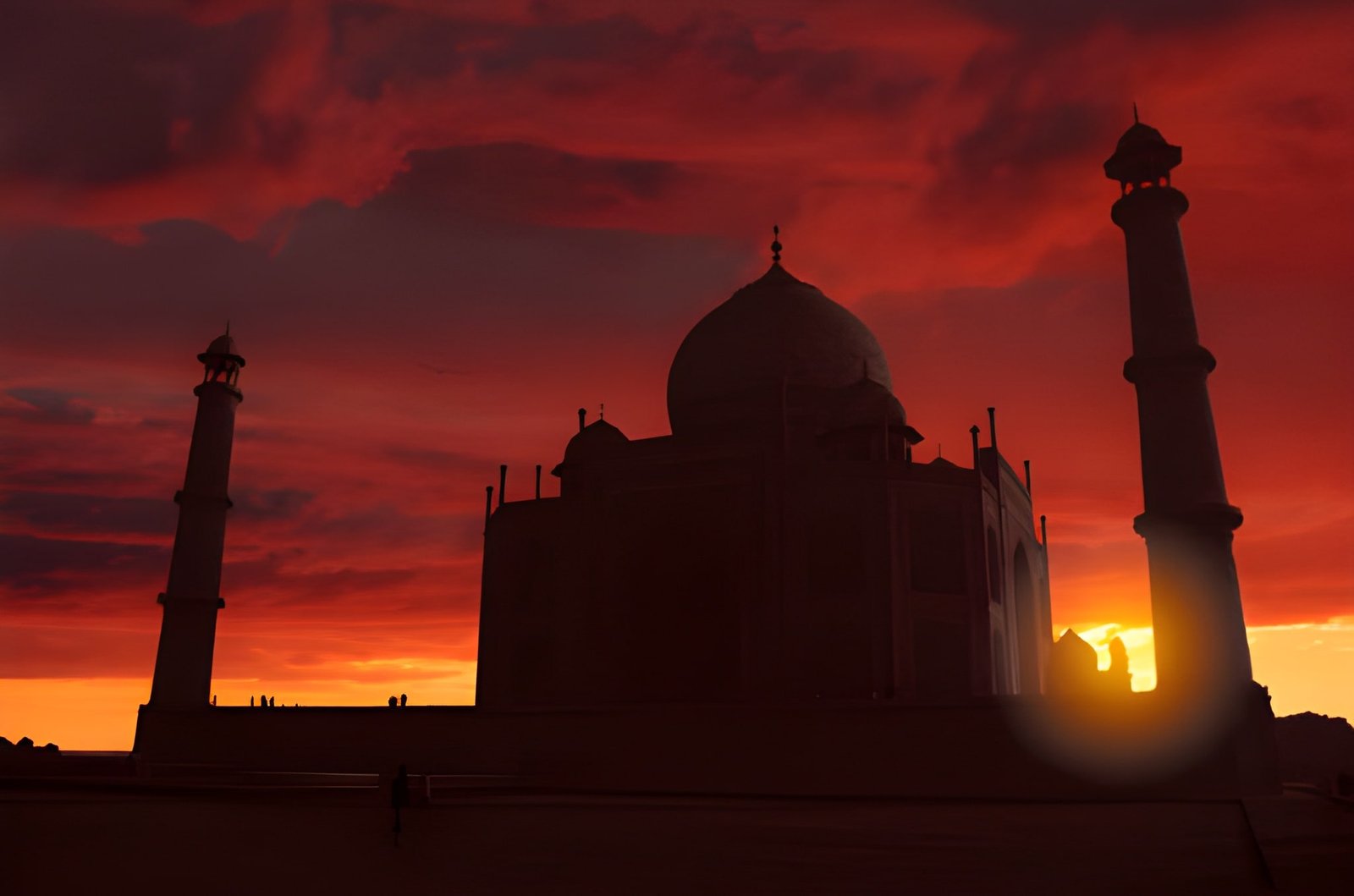
The Taj Mahal is more than a monument—it is a symbol of love, memory, and artistic brilliance. For centuries, this architectural masterpiece has inspired storytellers, filmmakers, photographers, and digital creators across the world. From classic cinema scenes to breathtaking travel photography, the Taj Mahal continues to shape visual storytelling in powerful ways.
Built in the 17th century by Mughal Emperor Shah Jahan in memory of Mumtaz Mahal, the monument has become one of the most recognizable landmarks on Earth. UNESCO describes it as one of the “universally admired masterpieces” of world heritage.
A Symbol of Eternal Love in Cinema
Visual media often relies on instantly recognizable symbols to create emotional connections. The Taj Mahal represents romance, devotion, and timeless beauty, making it a favorite location and visual reference in films, documentaries, and advertisements.
Whether shown during sunrise, reflected in water, or illuminated by moonlight, the monument creates an emotional atmosphere that few places can match. Directors and cinematographers use its symmetry and white marble elegance to communicate grandeur and intimacy at the same time.
Its story also adds depth to visual narratives. Audiences already associate the Taj Mahal with sacrifice and enduring love, allowing filmmakers to create emotional impact without lengthy explanations.
Photography and the Art of Perspective
The Taj Mahal is one of the most photographed monuments in the world. Travel photographers and content creators constantly explore new angles, lighting, and compositions to capture its beauty. Sunrise shots, silhouette photography, and reflections in the surrounding pools have become iconic visual styles.
Historical photographs dating back to the 19th century show how the monument has fascinated artists for generations. Even early photographers viewed the Taj Mahal as a timeless subject capable of capturing emotion and wonder.
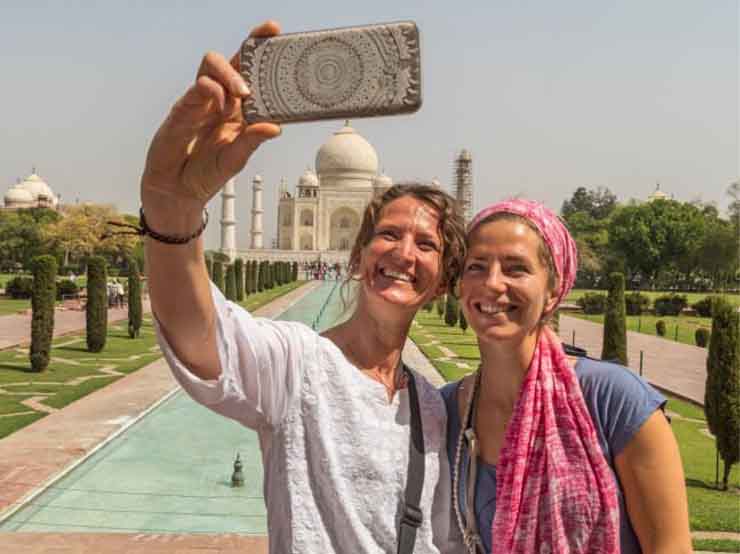
Modern social media has amplified this influence. Instagram reels, cinematic drone videos, and travel vlogs continue to transform the Taj Mahal into a living visual story shared by millions every year.
Digital Media and Cultural Identity
Today, the Taj Mahal appears everywhere in digital culture—from virtual tours and travel campaigns to AI-generated artwork and educational documentaries. Its image immediately communicates Indian heritage, artistic excellence, and cultural richness.
UNESCO highlights not only the monument itself but also the intricate marble inlay craftsmanship surrounding it, known as “Parchin Kari.” This artistic legacy inspires designers, architects, and digital illustrators who reinterpret Mughal aesthetics in modern creative projects.
The monument’s visual language remains universal. Even without words, images of the Taj Mahal evoke curiosity, admiration, and emotion.
Why the Taj Mahal Continues to Inspire
Great storytelling depends on emotion, symbolism, and beauty—and the Taj Mahal offers all three. It connects history with imagination and transforms architecture into visual poetry. That is why it remains a favorite subject across photography, film, documentaries, and digital media platforms.
For travelers, experiencing the Taj Mahal in person brings these stories to life in unforgettable ways. If you are planning your visit, book your tickets and explore the wonder through Tickets Taj Mahal.





Comment (0)