


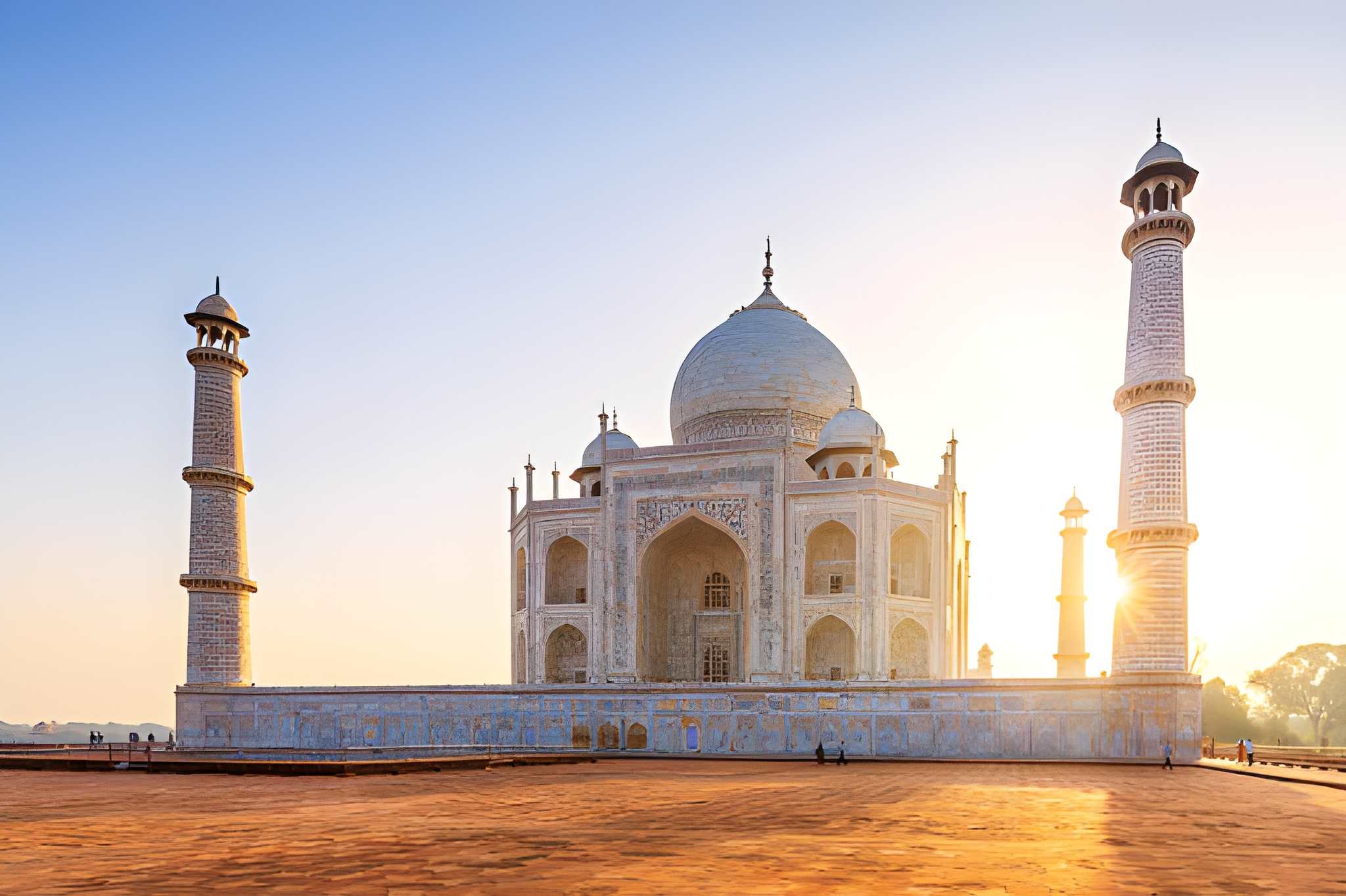
Few monuments in the world command the same awe and reverence as the Taj Mahal. Rising gracefully on the banks of the Yamuna River, this 17th-century masterpiece is more than an architectural triumph—it is a poetic expression of eternal love. Often described as a “dream in white marble,” the Taj Mahal perfectly blends geometry, artistry, and symbolism, making it one of humanity’s greatest achievements. Its striking symmetry and spiritual undertones reveal a deeper design philosophy that continues to captivate millions.
A Perfect Balance: The Power of Symmetry
One of the most defining features of the Taj Mahal is its flawless symmetry. From afar, the monument appears as if it were mirrored on both vertical and horizontal axes. Every minaret, arch, and dome is meticulously placed to maintain harmony. This symmetry isn’t merely an aesthetic choice—it reflects the Mughal belief in order, balance, and divine proportion.
Even the placement of the gardens, fountains, and pathways adheres to the concept of charbagh, a Persian-inspired layout representing the four rivers of paradise. The intention was to create a physical space that mirrored heavenly perfection, allowing visitors to experience serenity, peace, and spiritual equilibrium.
Soul in Stone: Symbolism and Emotion
Although symmetrical, the Taj Mahal is not rigid. Instead, it feels alive—with its colors shifting throughout the day. At dawn, the marble glows pale pink; at midday, it shines brilliant white; and at dusk, it deepens into gold. This changing palette reflects the timeless nature of love and the impermanence of life—fitting themes for a mausoleum built for Mumtaz Mahal, the beloved wife of Emperor Shah Jahan.
Intricate floral carvings, pietra dura (stone inlay) work, and calligraphy all contribute to the soul of the structure. Every detail, no matter how small, honors the memory of Mumtaz and expresses the emperor’s grief, devotion, and longing. The result is a monument that feels less like a building and more like a heartfelt tribute carved into marble.
Architecture That Inspires the World
The Taj Mahal beautifully blends Persian, Islamic, and Indian architectural styles. Its iconic onion-shaped dome, slender minarets, Taj Ganj-facing gateway, and reflective pools have inspired countless buildings across continents. Yet none replicate the emotion embedded into its foundation.
One of its most subtle yet impressive design features is the optical illusion used throughout the structure. For example, the calligraphy grows larger toward the top so it appears uniform when viewed from below. The minarets tilt slightly outward to protect the central mausoleum in case of an earthquake. These touches highlight the architects’ extraordinary precision and foresight.
Experience the Taj Mahal Yourself
Understanding the philosophy behind the Taj Mahal is one thing—standing before it is another. The moment you enter the main gate and witness the marble monument perfectly framed by the archway, you feel its presence in a way words cannot capture.
If you’re planning a visit, booking your tickets in advance ensures a smooth and memorable experience. You can easily reserve your entry through ticketstajmahal.com, where you’ll find convenient booking options and up-to-date visitor information.
A Monument of Love and Legacy
The Taj Mahal is not just a building; it is an embodiment of symmetry and soul. Its design speaks to the harmony of the universe, the depth of human emotion, and the timelessness of true love. Whether you visit for its architectural brilliance or its emotional resonance, the Taj Mahal promises an experience unlike any other.






Comment (0)